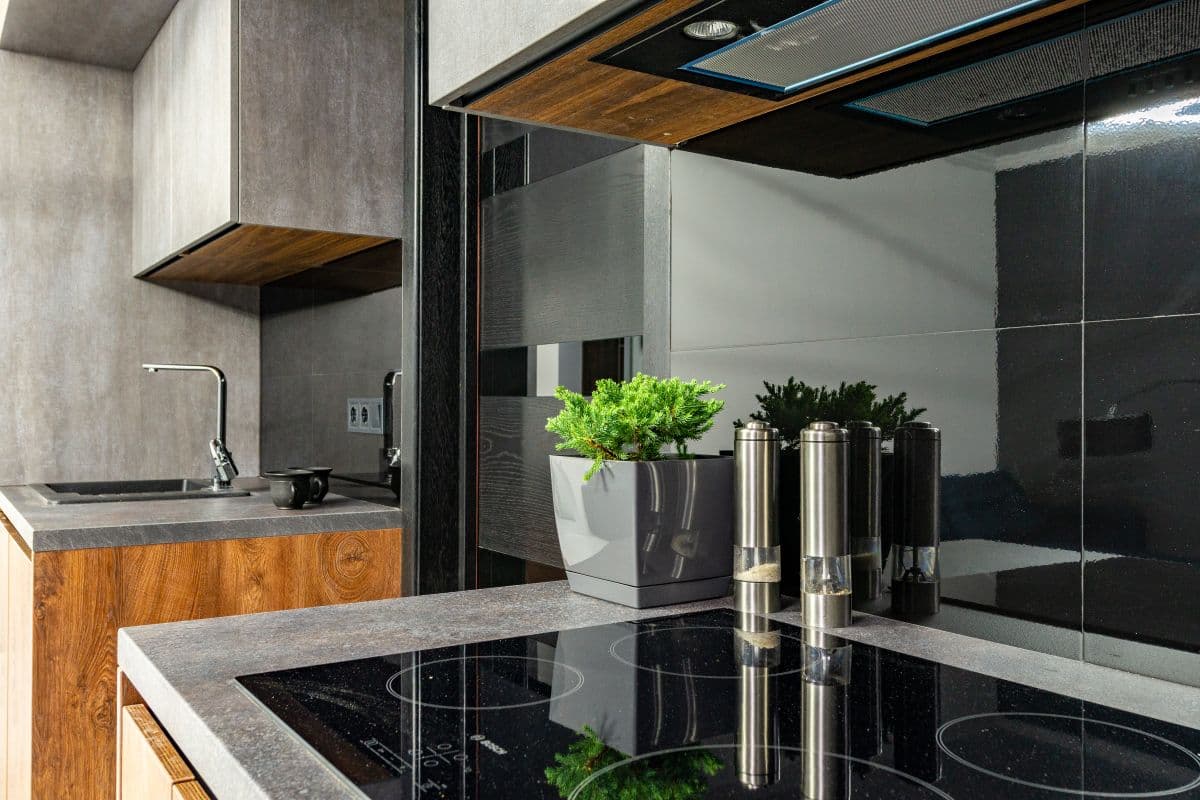
Induction has quietly become the default choice in Australian kitchen renovations, and the interesting news at the affordable end is a cooktop that plugs into a normal power point. The four below run from that plug-in Omega to a Miele with Wi-Fi, and all were in stock at The Good Guys when we checked.
1. Best 60cm: Bosch Series 4
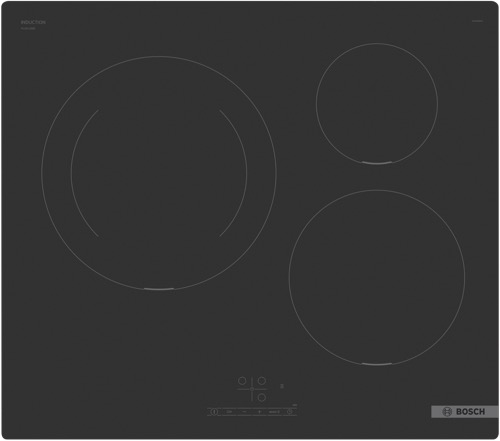
Bosch's Series 4 has been the safe 60cm induction choice for years, and the current version keeps that up, with owners rating it well for even heat and easy cleaning. It has four zones, 17 power levels, a timer per zone, and the PowerBoost setting that gets water boiling faster than gas.
At around $1,000 it sits in the middle of the 60cm market. Owners of several Bosch cooktops note the printed control markings can be hard to read in dim kitchens, which is worth checking in a showroom if your kitchen runs to mood lighting. Installation needs an electrician, as with most models here.
What We Like:
- Even, responsive heat
- Timer on every zone
- PowerBoost
What We Don't Like:
- Control markings hard to read in low light
2. Best Value: Omega 60cm 10-Amp
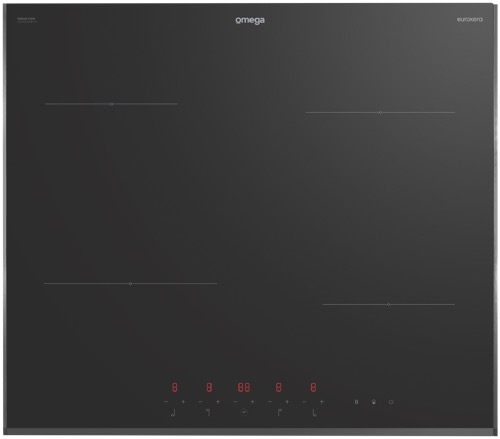
The Omega's trick is power phasing, which lets a four-zone induction cooktop run from a standard 10-amp power point instead of hard wiring. That makes it the induction option for rentals, older houses and anyone avoiding an electrician's switchboard quote. Owner reviews sit at 4.7 on independent review sites, which is unusually high for a cooktop.
The trade-off is shared power: run every zone hard at once and the cooktop phases them down. For most cooking, with one or two zones going, owners report it behaves like any other induction. At around $600 it's the cheapest way into induction here.
What We Like:
- Plugs into a normal power point
- Four zones on 10 amps
- Cheapest path to induction
What We Don't Like:
- Power is shared when all zones run at once
3. Best 90cm: Bosch Series 6
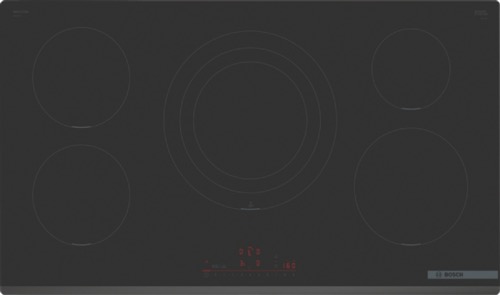
The 90cm Series 6 is for households that cook several things at once. Five zones across the wider glass mean big pots aren't fighting for space, and the flexInduction area joins two zones into one long surface for a fish pan or griddle. It adds a fry sensor that holds the pan at a set temperature, which owners use more than it sounds like they would.
It costs around $1,800, and the same Bosch control-legibility gripe applies. A 90cm cooktop also needs a 90cm hole, so this is a renovation purchase rather than a swap-in.
What We Like:
- Five zones, real space between them
- flexInduction joined zone
- Fry sensor holds temperature
What We Don't Like:
- Control markings hard to read in low light
4. Best Premium: Miele KM 7574 FL
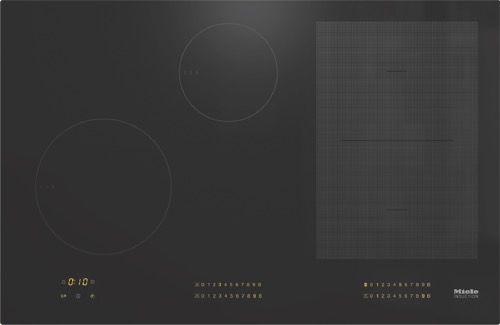
We've recommended this Miele for years and it's still the premium pick, which says something about how long Miele product cycles run. The 80cm glass has a PowerFlex zone that fits big cookware, the controls respond like a phone screen rather than a printed panel, and Wi-Fi connects it to compatible Miele rangehoods so the extraction follows the cooking.
It holds 22 reviews at The Good Guys with strong scores, and it costs around $4,100, which is the price of the other three put together. It's for people finishing a kitchen they intend to keep.
What We Like:
- PowerFlex zone fits big cookware
- Controls owners actually praise
- Pairs with Miele rangehoods
What We Don't Like:
- Costs as much as the other three combined
Other cooktops worth a look
- LG 60cm with flexi zone — around $800 with a joined flexi area, which is rare at the price. A newer line without many reviews yet.
- Fisher & Paykel Series 5 and 7 — F&P's current cooktops pair with their ovens and rangehoods as a set, and several run on low-current connections. Worth comparing in a showroom if the kitchen is going full F&P.
- Portable induction — for a single extra element rather than a built-in, we cover those separately in our portable induction cooktop guide.
How to pick an induction cooktop
Check your power first. Most built-in induction needs hard wiring by an electrician, and older switchboards sometimes need an upgrade that costs more than the cooktop. The 10-amp Omega above exists precisely for that situation.
Zones matter more than total size. A 60cm cooktop with four well-spaced zones beats a crowded one. If big stockpots are routine, look for a flexi or joined zone.
Your cookware has to be magnetic. Cast iron and most stainless steel work; aluminium and copper don't unless marked induction-ready. A fridge magnet on the pan base settles it.
Boost is the feature you'll feel daily. Power boost on the largest zone is what makes induction faster than gas for boiling water, and cheaper models sometimes only boost one zone.
RELATED: The Best Freestanding Ovens and The Best Range Hoods
FAQs
Is induction cheaper to run than gas?
Per meal the difference is small, but induction wastes far less heat, and with gas connection fees rising, all-electric kitchens usually come out ahead once the gas account is closed.
Does induction scratch easily?
The glass tolerates normal use, but dragging cast iron across it leaves marks, and owners report sugar spills should be wiped before they cook on. Treat it like glass and it lasts.