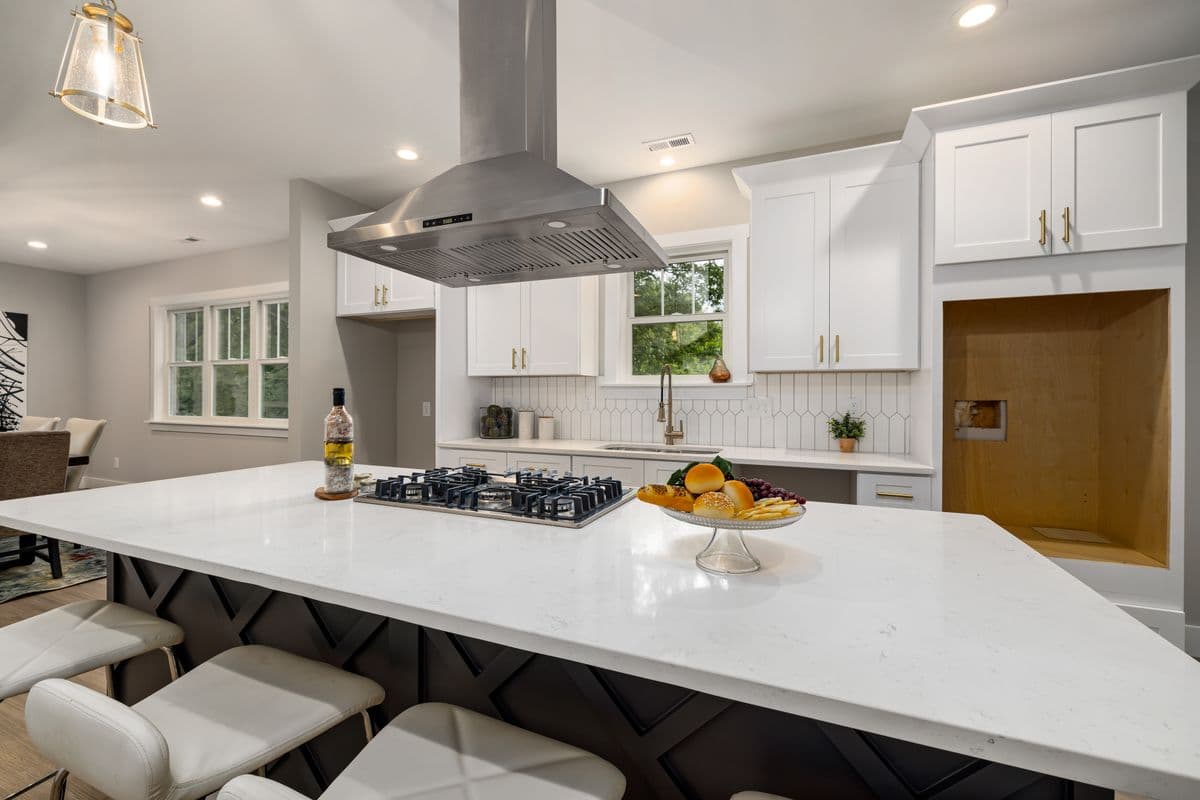
Rangehoods are the appliance nobody thinks about until the smoke alarm goes off mid-steak. The three below cover the styles most Australian kitchens actually take, and the slideout at the top has more than 300 owner reviews behind it, which is rare air for a rangehood.
1. Best Slideout: Westinghouse 60cm WRR604SB
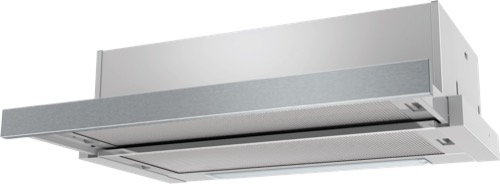
The slideout rangehood is the default in Australian kitchens because it hides in a cupboard trim and pulls out when you cook, and this Westinghouse is the one people keep buying. It averages 4.3 stars across 312 reviews at around $280, works ducted or recirculating, and takes standard filters that go through the dishwasher.
Owners describe it as effective on the high setting and easy to live with. The recurring note is fan noise when it's working hard, which is true of every rangehood in this class.
What We Like:
- Slides away out of sight
- Ducted or recirculating install
- Dishwasher-safe filters
What We Don't Like:
- Loud on the highest setting
2. Best Budget: Westinghouse 60cm Fixed WRF610SA
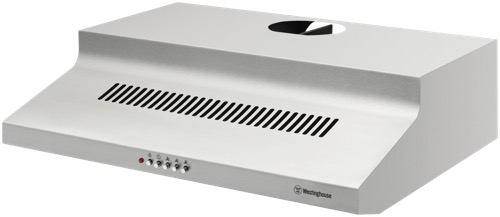
A fixed rangehood is the simplest thing on this page: a slab with a fan, no moving parts, nothing to slide or break. This one holds 4.4 stars across 169 reviews at around $250, which makes it the pick for rentals, laundries-turned-kitchenettes and anyone replacing a dead unit without touching the cupboards.
The limits are honest ones. Extraction is modest compared with a canopy, and the light suits finding a pot rather than lighting a workspace.
What We Like:
- Around $250
- No moving parts
- Straight swap for old fixed hoods
What We Don't Like:
- Modest extraction next to bigger styles
3. Best Undermount: Westinghouse 86cm WRI815SC

Undermount hoods tuck into the cabinetry above the cooktop so the kitchen shows a slim edge instead of an appliance. This 86cm Westinghouse covers a 90cm cooktop, runs ducted or recirculating, and its owners rate it 4.8 across a couple of dozen reviews at around $600, with several noting it moves more air than its slim profile suggests.
The undermount catch is fixed: it must be planned into the cupboard above, so it suits new kitchens and renovations rather than a quick replacement.
What We Like:
- Ducted or recirculating
- Slim, hidden profile
- Covers a 90cm cooktop
What We Don't Like:
- Needs cabinetry built around it
Other rangehoods worth a look
- Canopy hoods — the commercial-look stainless canopies pull the most air, and The Good Guys stocks Westinghouse canopies from around $350. Reviews on individual canopy models run thin, so this is a category to compare in person.
- Schweigen — the Australian brand famous for putting the motor on the roof so the kitchen stays near silent. Sold through their own network and appliance specialists, and worth a look if noise is the reason you avoid using your current hood.
How to pick a rangehood
Ducted beats recirculating when you have the choice. Ducting sends steam and smells outside; recirculating filters and returns the air. Most hoods here do either, but a ducted install is what makes a rangehood feel like it works.
Match the width to the cooktop. The hood should cover the cooktop's width or slightly more, so a 60cm cooktop takes a 60cm hood and a 90cm cooktop wants the 86 to 90cm class.
Noise is the reason hoods go unused. If the fan drives you mad, you'll cook without it. Check owner comments on noise before buying, and run the maths on ducting length, since long duct runs make any hood work harder and louder.
Wash the filters more than never. Greasy filters halve extraction. The metal filters in everything above go through the dishwasher, which is a habit worth building.
RELATED: The Best Gas Cooktops and The Best Induction Cooktops
FAQs
Do I need a licensed installer for a rangehood?
An electrician is needed if the hood is hard-wired or a new circuit is required; plug-in models above an existing power point are a simpler job. Ducting through a roof is its own trade visit.
What does recirculating actually do?
The air passes through a grease filter and a carbon filter, then returns to the room. It catches grease well and smells partially, which is why ducted is worth the extra effort when the kitchen layout allows it.