A carrier gives you your hands back while the baby gets the heartbeat seat they were lobbying for, and the difference between loved and abandoned carriers is comfort at month four, not day one. The three below lead on owner evidence across the price span.
1. Best Newborn: BabyBjorn Mini 3D Mesh
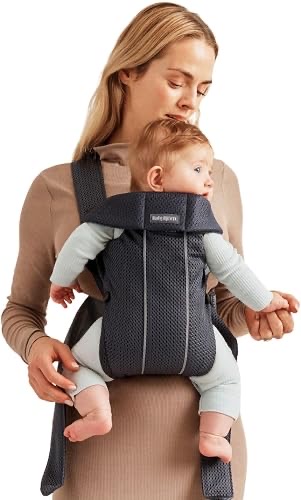
The Bjorn Mini is the newborn-phase specialist: on and off in seconds, airy 3D mesh for summer babies, and 644 owners averaging 4.7 stars. The fourth-trimester months of constant up-and-down are exactly its design brief.
At around $139 it's priced for a phase: most owners move to a structured all-stages carrier around six months, which the reviews plan for openly.
What We Like:
- Seconds on and off
- Summer-weight mesh
- Newborn-phase master
What We Don't Like:
- Outgrown by six months
2. Best Value: Grownsy Ergonomic 0-36m
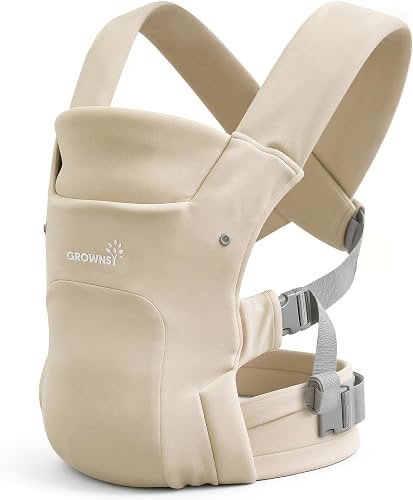
The Grownsy covers newborn to toddler with lumbar support, hip-healthy wide seating and front-and-back positions for around $60, with 923 owners at 4.4 stars. It's the birth-to-toddler carrier at a fraction of the boutique names.
The many straps take a session to learn, which is the universal structured-carrier initiation.
What We Like:
- Birth-to-toddler span
- Lumbar support
- Around $60
What We Don't Like:
- Strap-learning curve
3. Best Budget Multi: Infantino Flip 4-in-1
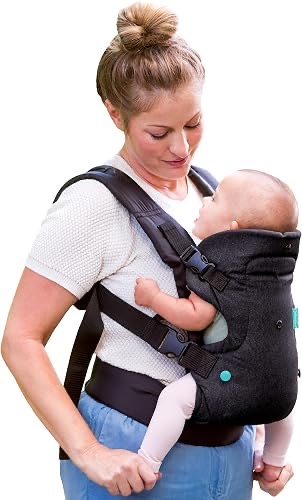
The Infantino Flip runs four carry positions at around $78 with 771 owners averaging 4.4, and lives in nappy bags nationwide as the grab-and-go second carrier. Light, simple, machine washable.
Padding sits at the price point: long bushwalks belong to the structured picks above.
What We Like:
- Four positions
- Machine washable
- Nappy-bag light
What We Don't Like:
- Light long-haul padding
Other options worth a look
- Ergobaby and BabyBjorn's full-size lines — the premium structured tier at baby specialists, where trained fitters and try-ons settle fussy backs.
How to pick a carrier
The M-shape is the hip rule. Knees above hips, seat spread knee to knee: the position hip-health bodies endorse, and every pick above supports. Narrow dangle-seat carriers are the design the guidance moved past.
TICKS is the five-second safety check. Tight, In view, Close enough to kiss, Keep chin off chest, Supported back. It's the checklist maternal health nurses teach, and it covers every carrier ever made.
Buy for your back, not the brochure. Weight on hips via a padded waistband is what month-nine comfort looks like. The boutique fit-station try-on is genuinely worth the trip for daily carriers.
RELATED: The Best Baby Bouncers and The Best Double Prams
FAQs
From what age can babies go in a carrier?
Birth, in newborn-suitable carriers like all three above, following each maker's weight minimum. The newborn insert era is mostly over; current designs adjust instead.
Front-facing out: yes or no?
Fine in moderation once neck control is solid, around five to six months, facing in for sleep and overwhelm. It's the consensus position across carrier makers and health guidance alike.