An oven or a cooktop is fitted into a hole that already exists, so the questions that decide the purchase come before the brand: what the cavity measures, what the cooktop needs to sit on, and how many amps the circuit can give it. A Chef or Westinghouse 60cm oven runs on 9.6 amps and plugs into a normal power point. A Bosch Series 2 needs 13.8, and everything above it needs 16, which means an electrician.
The specifications here come from the energy rating labels and the retailer listings each appliance links to.
Start with the type
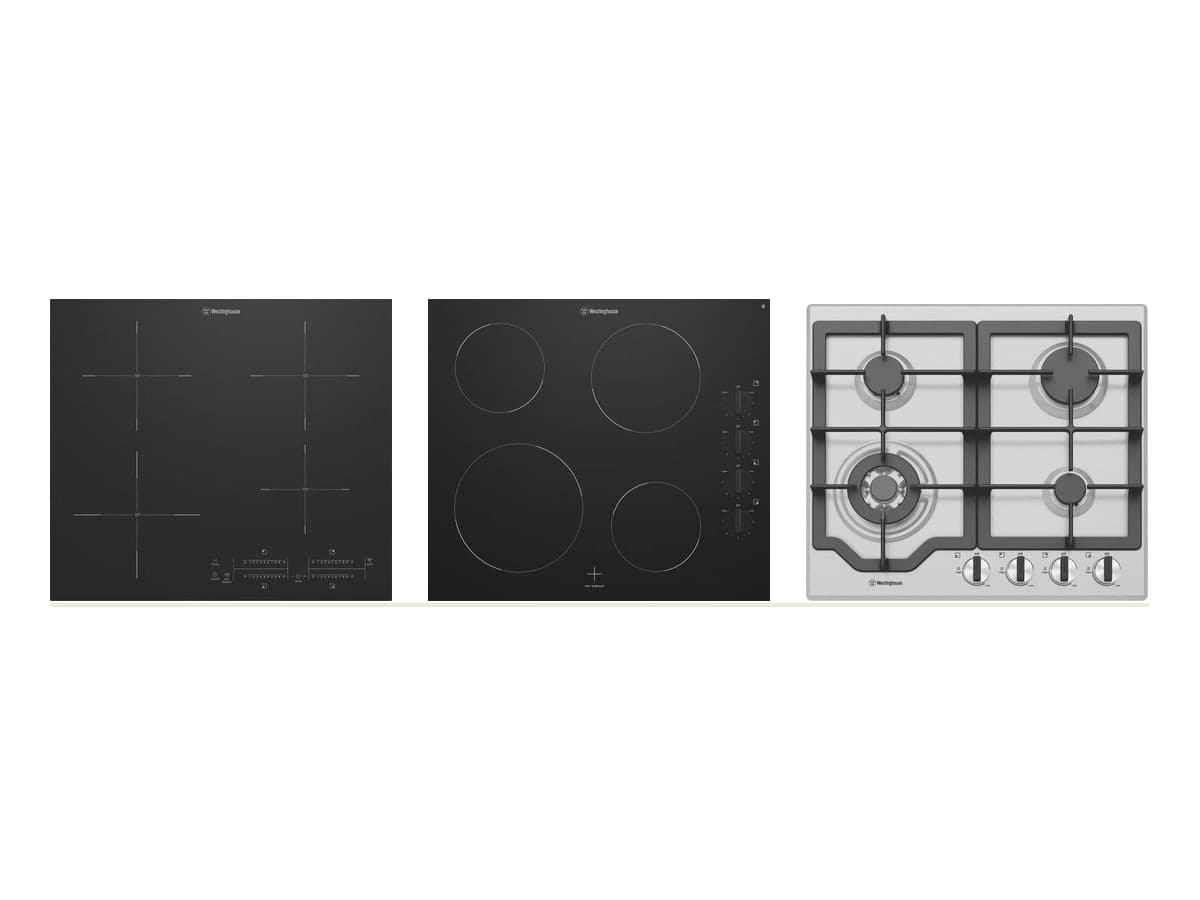
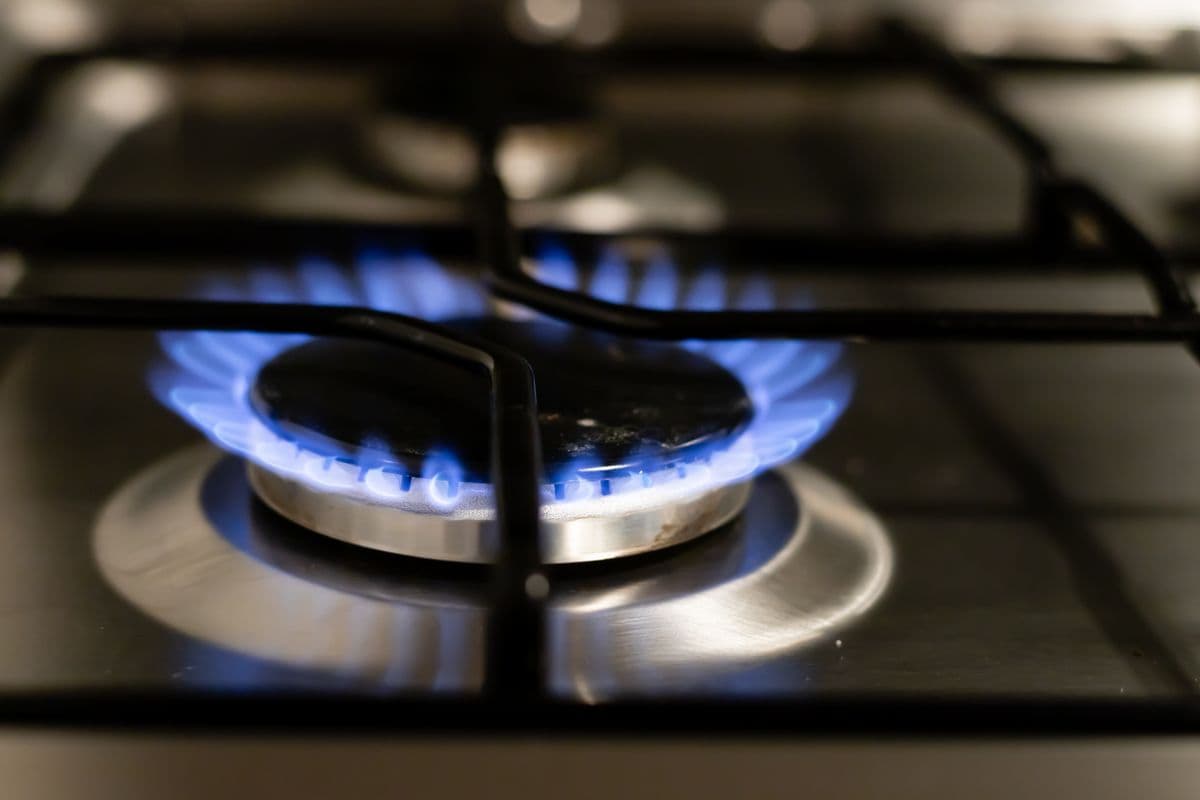
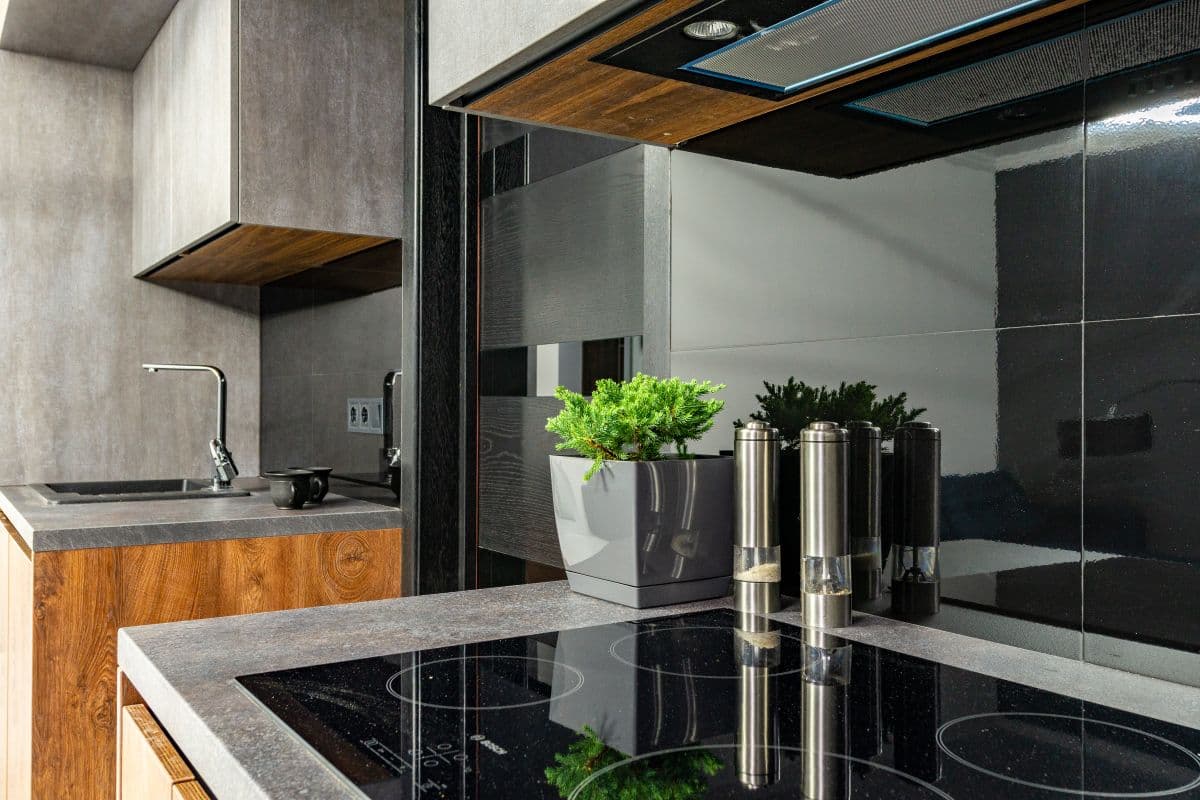
- Induction vs ceramic vs gas cooktops: induction boils fastest and wipes clean, ceramic is cheapest, gas works in a blackout.
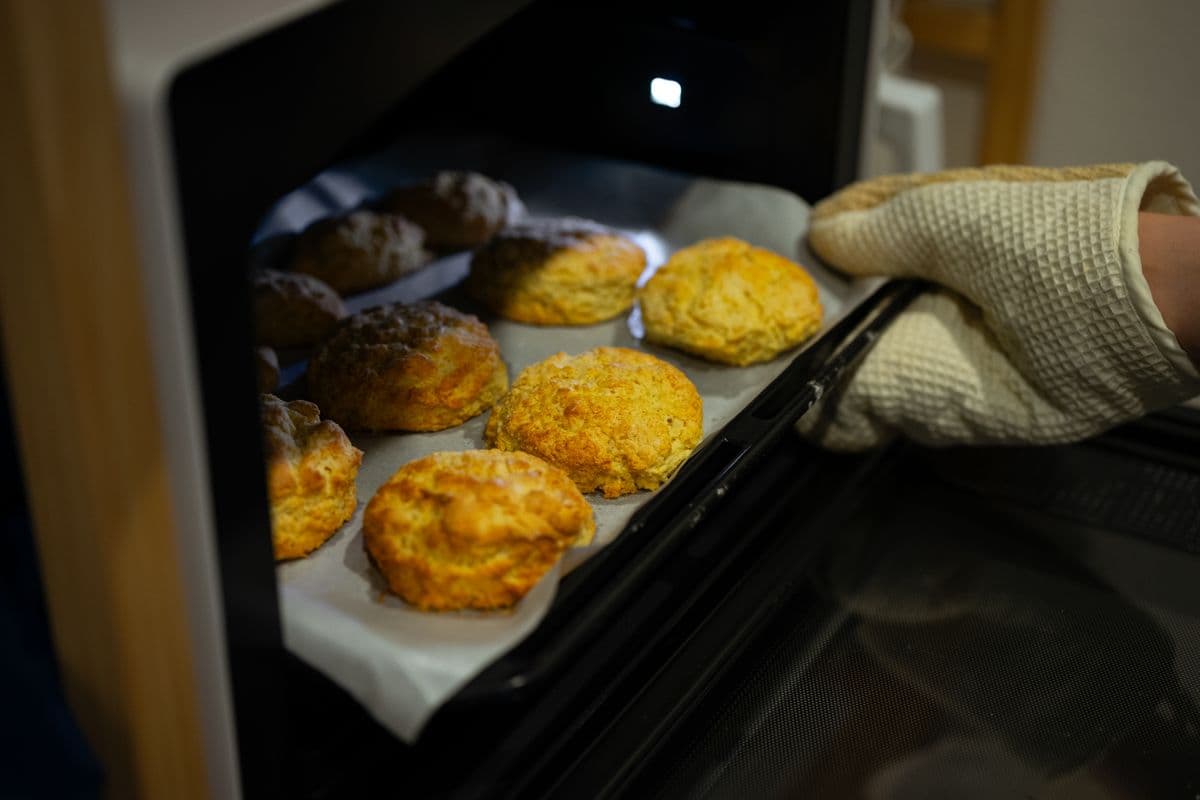
- Pyrolytic vs catalytic vs manual clean ovens: pyrolytic burns grease to ash at 480°C, catalytic liners absorb splatter, manual means a scourer.
Cooktops
- The best induction cooktops: four worth buying, including one that runs on a standard 10-amp plug.
- The best gas cooktops: four picks, led by a Westinghouse.
- The best ceramic cooktops: from a budget Chef to the Bosch most owners land on.
Ovens
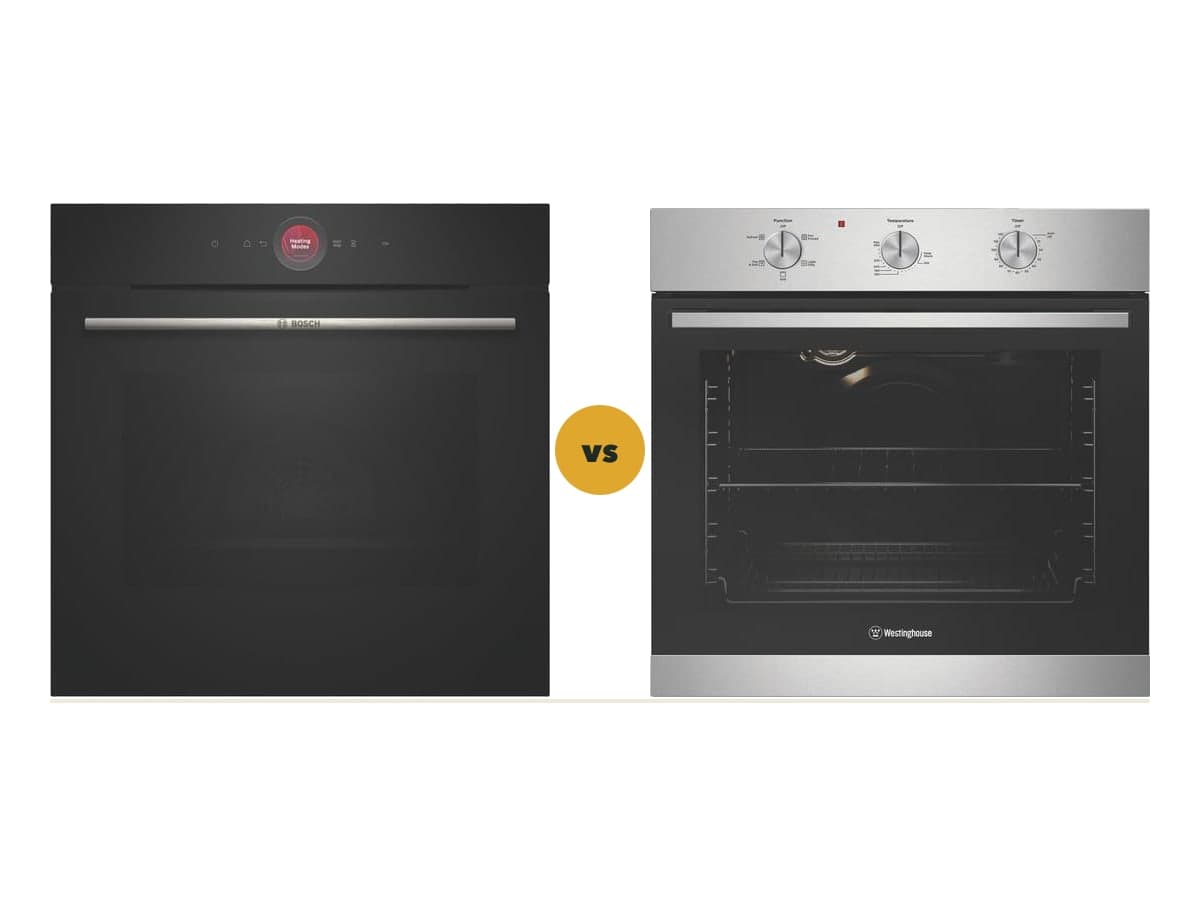
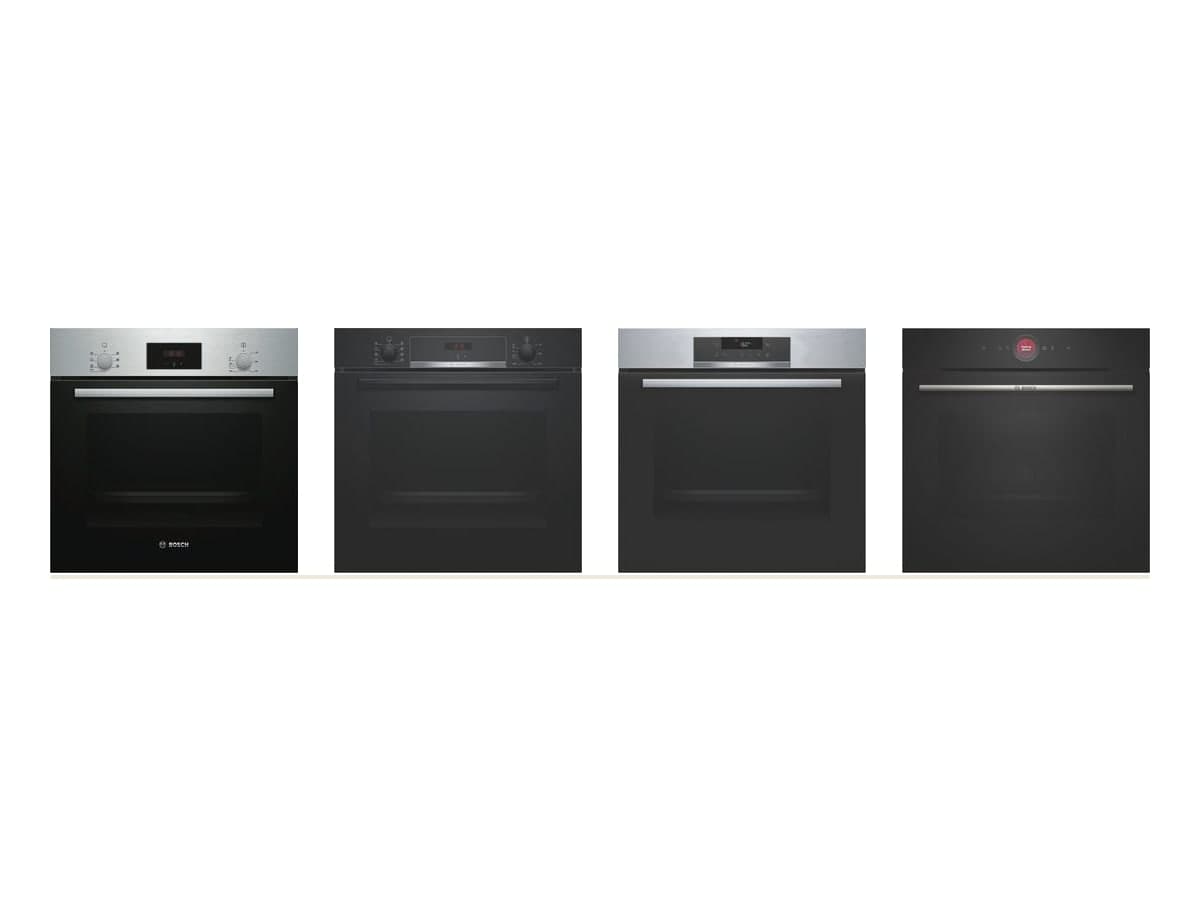
- Bosch Series 2 vs 4 vs 6 vs 8 ovens: functions, self-cleaning and the amperage each series needs. Series 6 is where pyrolytic cleaning starts.
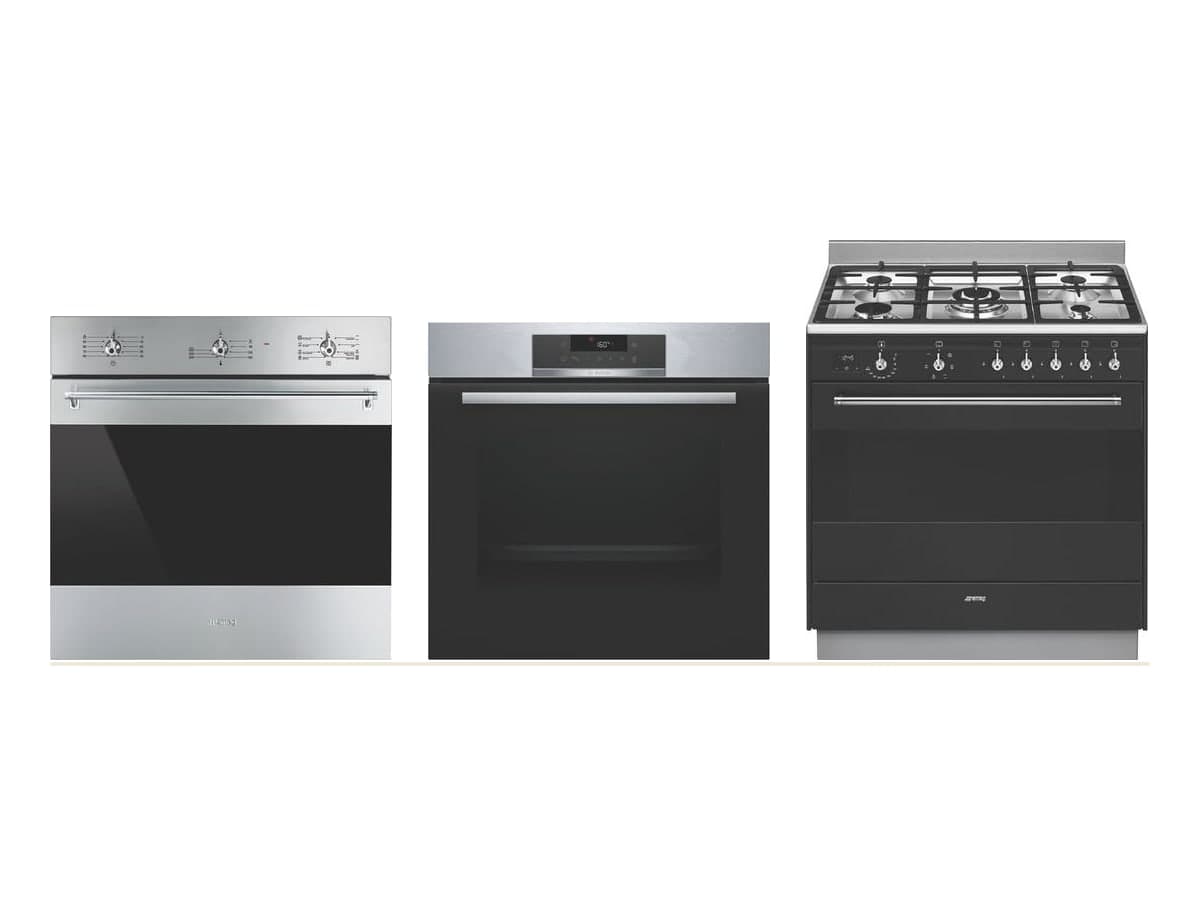
- Ilve vs Smeg vs Bosch: Smeg gives the biggest cavity at 79 litres, Bosch the most functions, Ilve the specialist upright cookers.
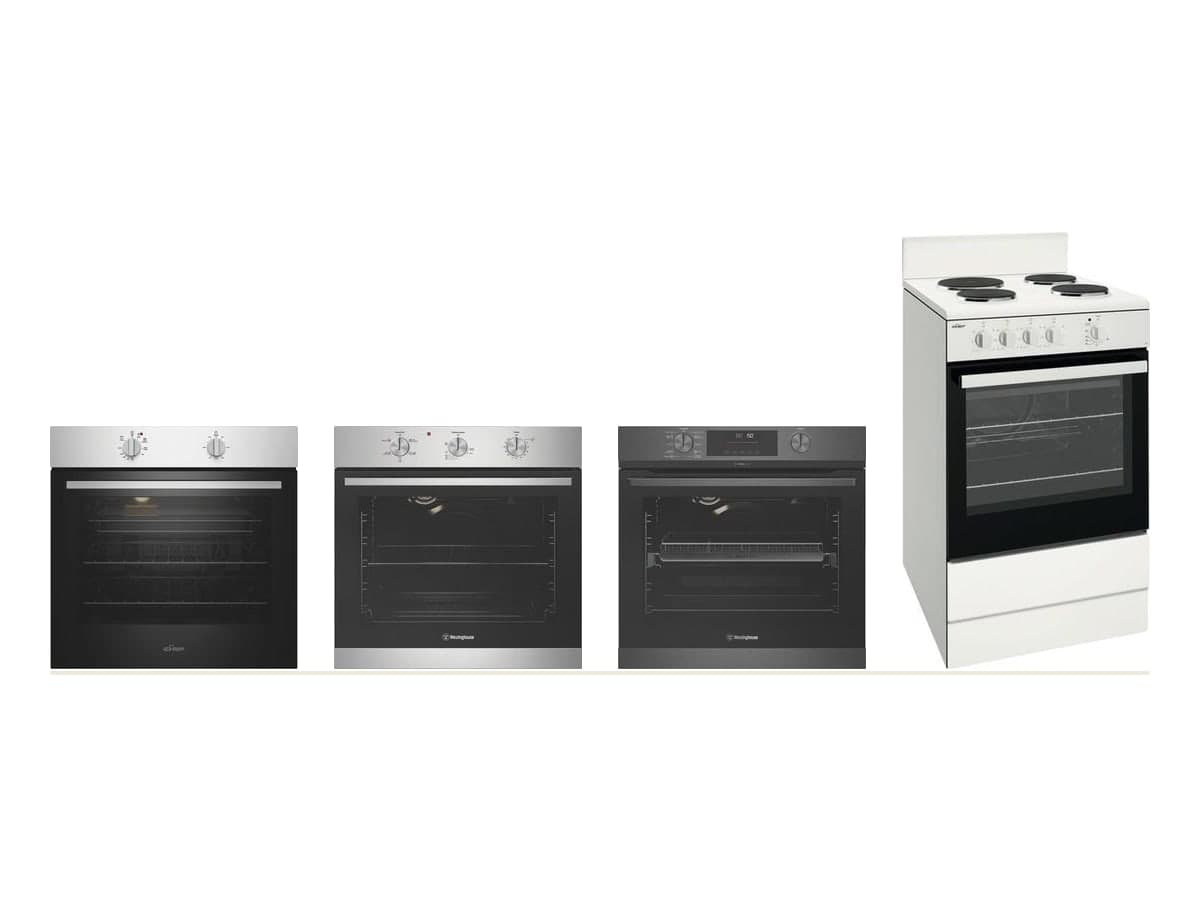
- Westinghouse vs Chef: both are Electrolux brands built in Adelaide, and what separates them on ovens and cooktops.
- The best freestanding ovens: from a well-reviewed Chef to a 90cm dual fuel Westinghouse.
Microwaves and rangehoods
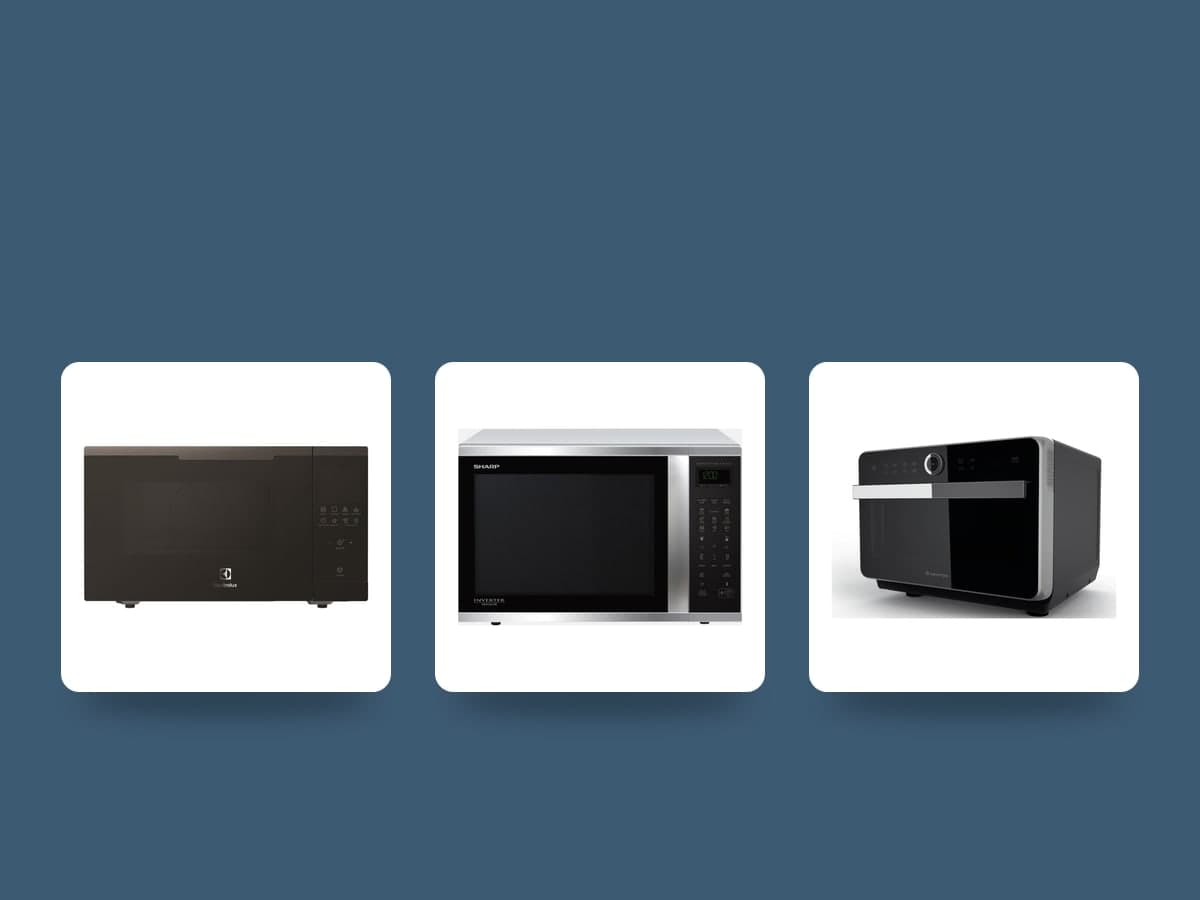
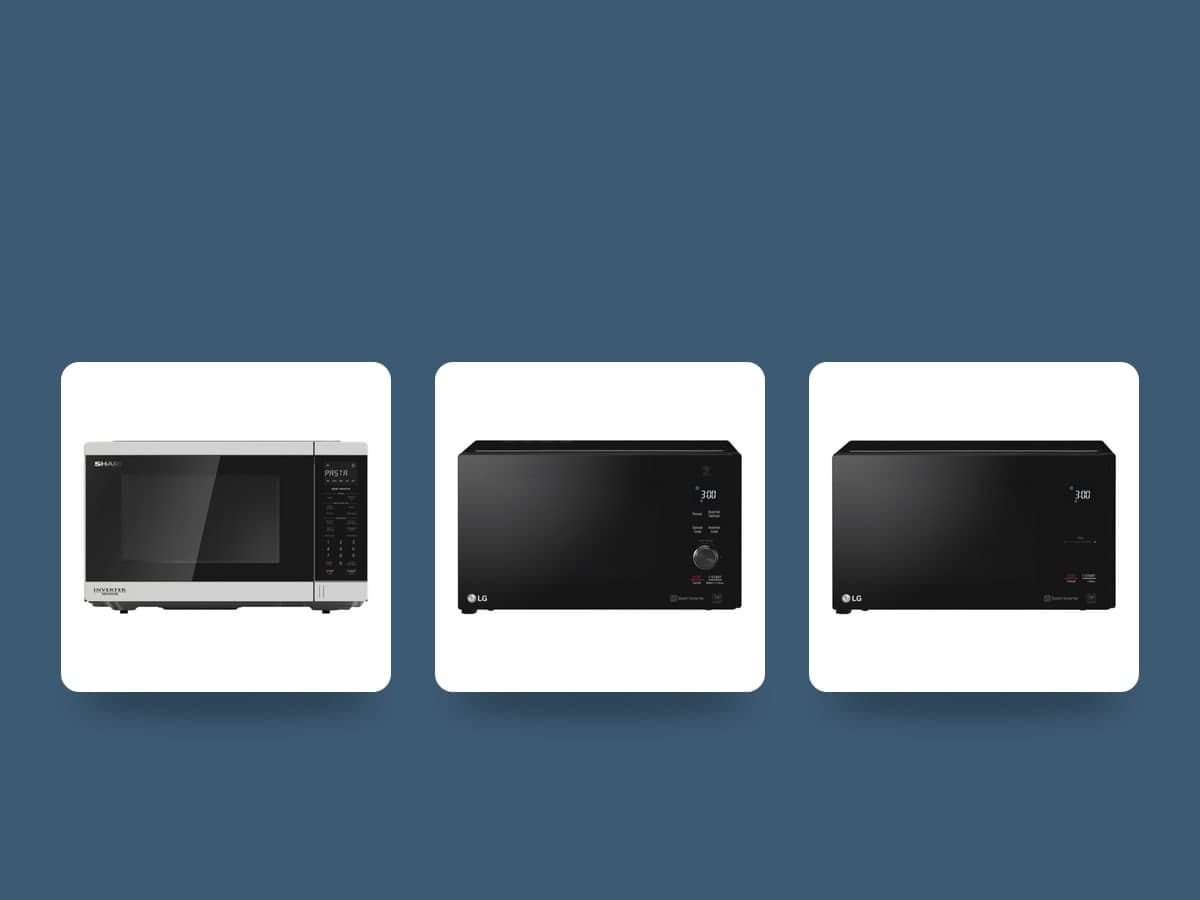
- The best microwaves: the models owners keep rating well.
- The best convection microwaves: for a second oven in a small kitchen.
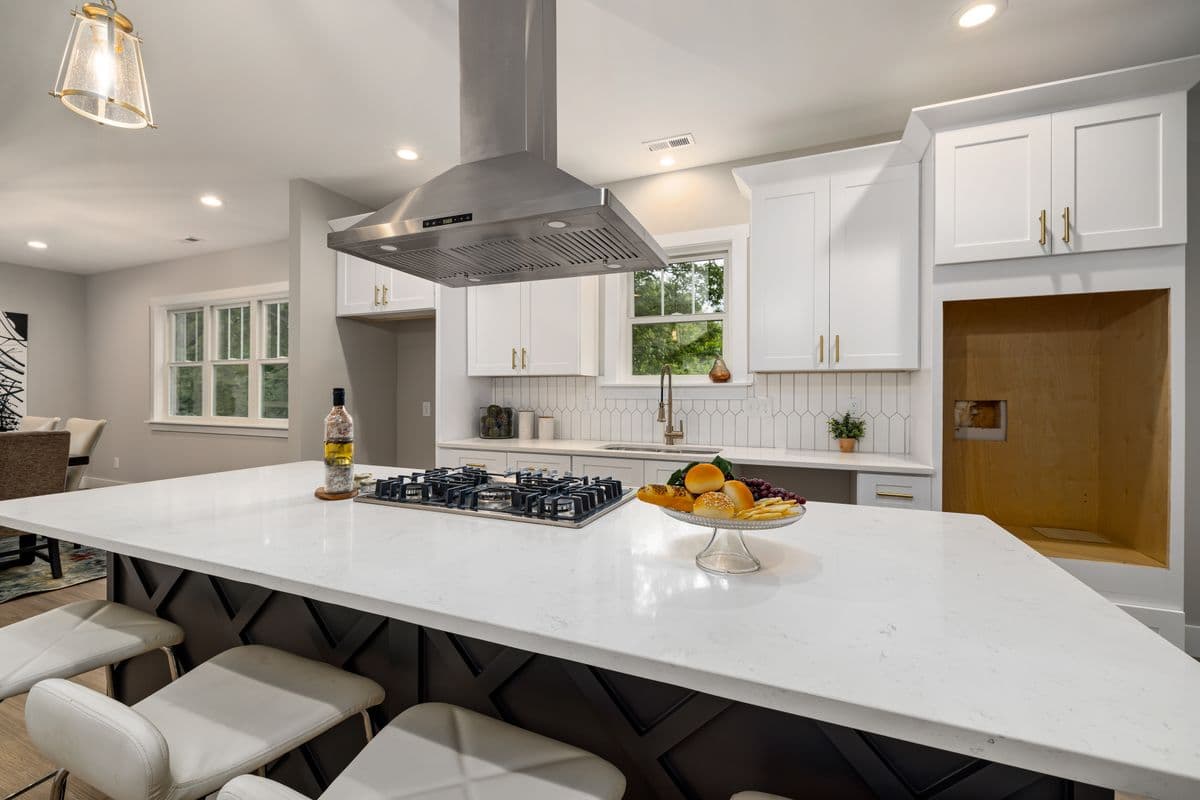
- The best rangehoods: slideout, fixed and undermount compared.