A dishwasher runs most nights for about a decade. What matters over that time is whether it fits the gap you have, how loud it is in an open-plan kitchen, and how much water and power a cycle uses.
The figures on these pages come from the energy and water rating labels, the published noise ratings, and the retailer listings each machine links to.
Start with the size
Two machines can be the same price and the same width and still not both fit.
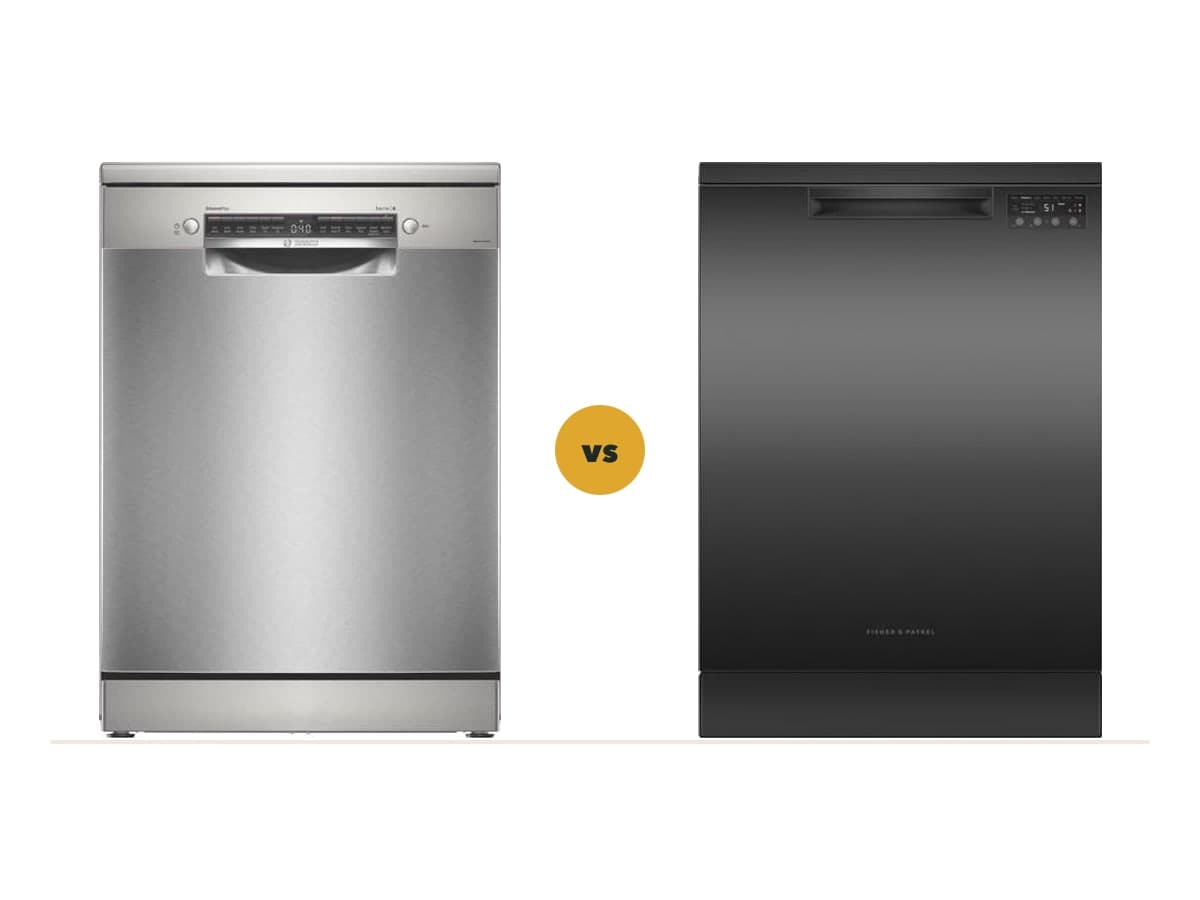
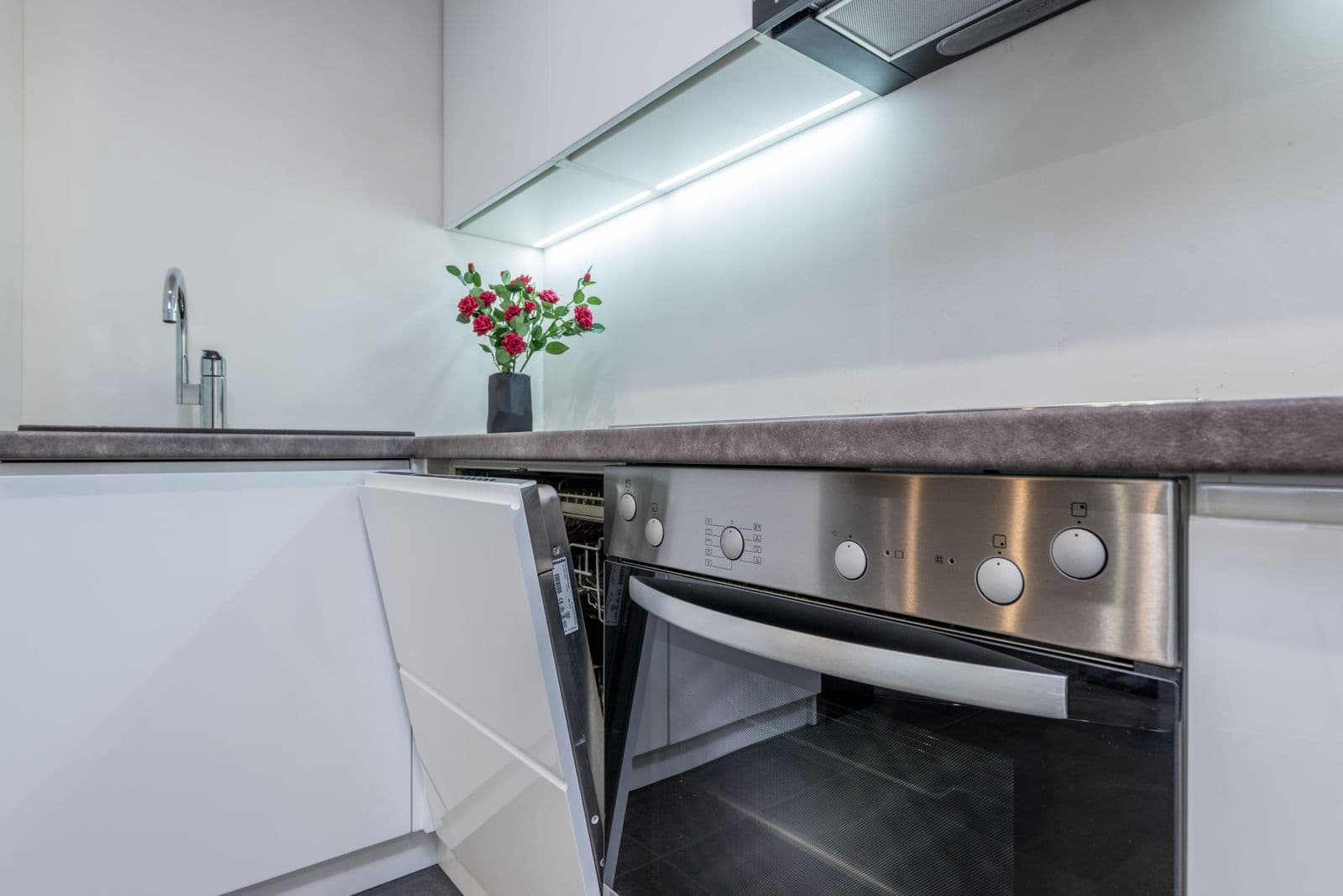
- Bosch vs Fisher & Paykel: every Bosch is 845mm tall and every Fisher & Paykel is 895mm, so one of the two may not go under an existing benchtop.
- The best small dishwashers: 45cm slimline machines, and a benchtop unit that needs no plumbing.
What Bosch's series numbers mean
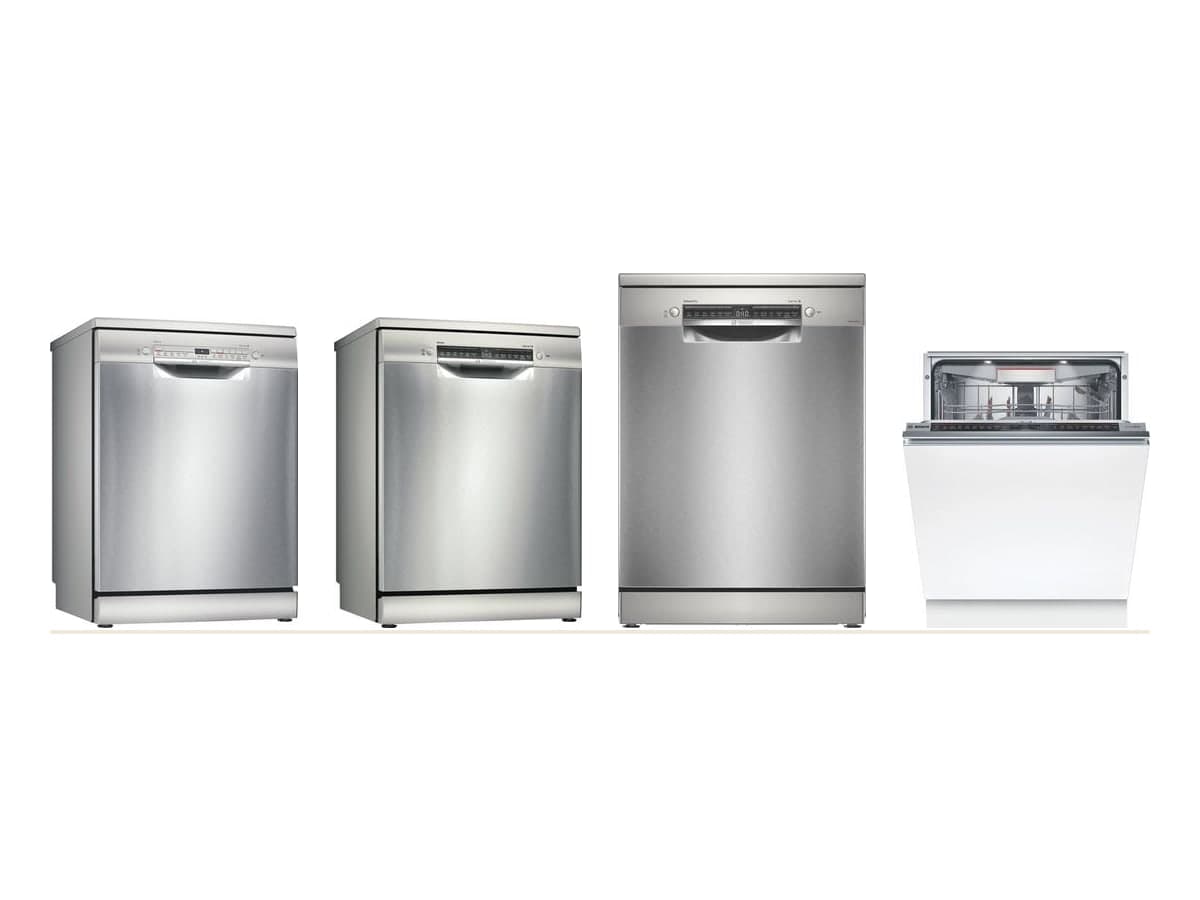
- Bosch Series 2 vs 4 vs 6 vs 8: place settings, noise, water use and drying, and which step up changes something you would notice.
Brand against brand
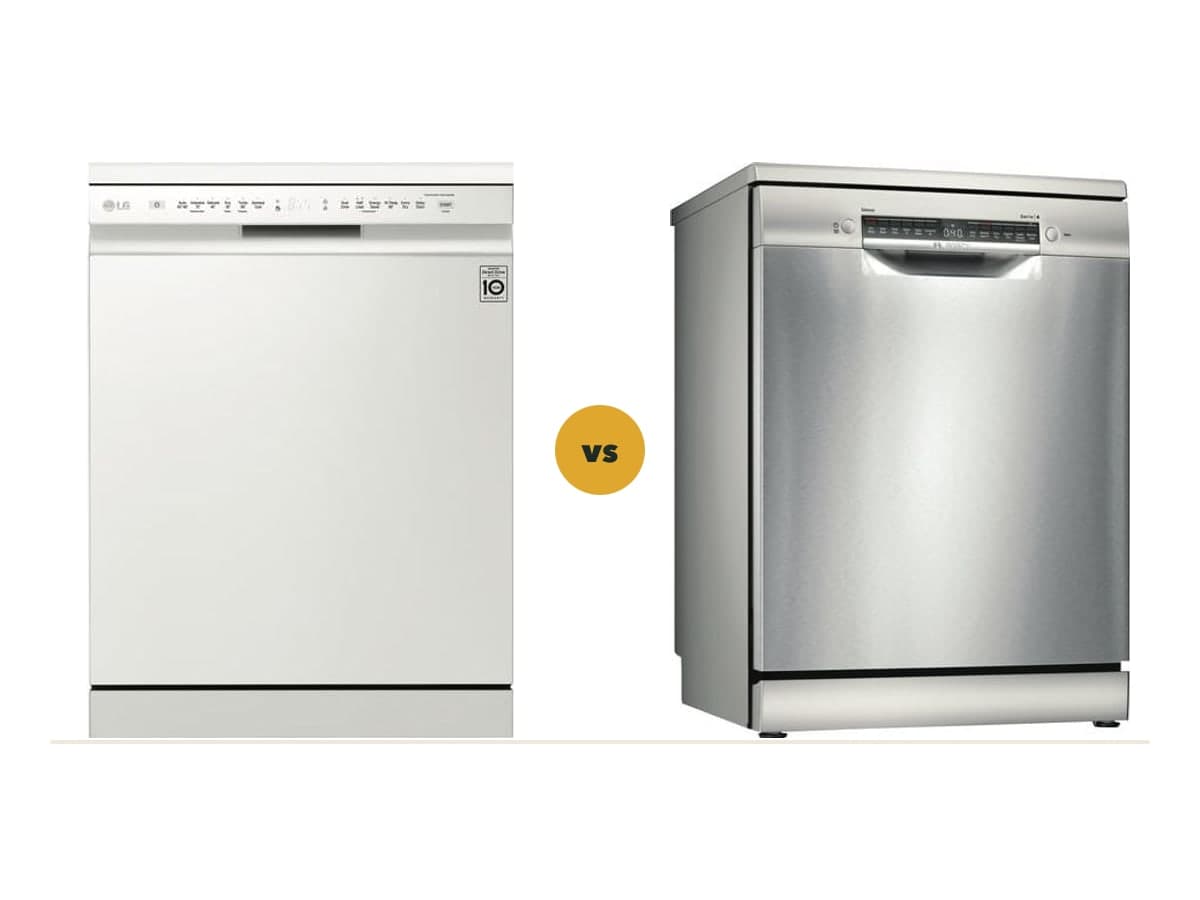
- LG vs Bosch: LG undercuts Bosch at every step and is quieter. Bosch has twice as many models and reaches further up the range.
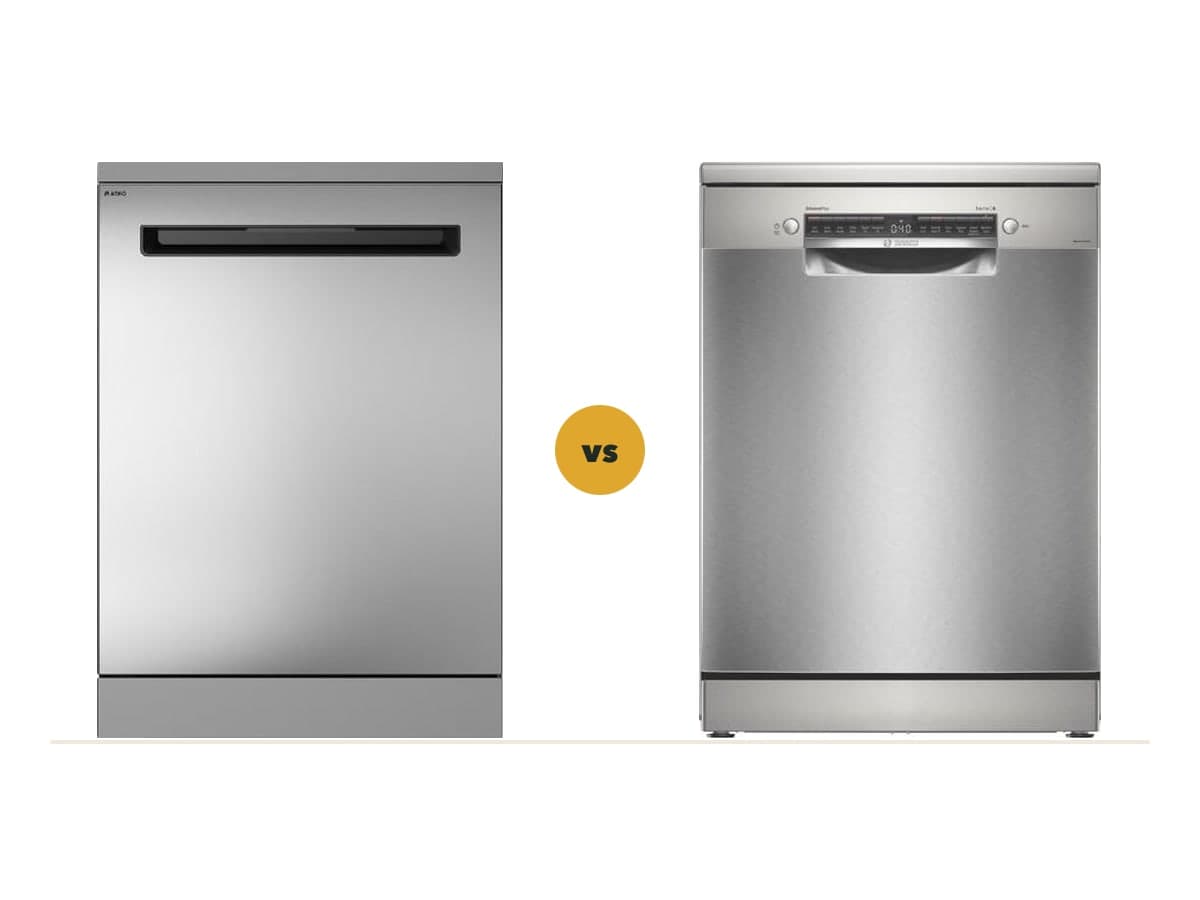
- Asko vs Bosch: Asko has three spray arms, 190kWh a year and a door that opens itself to dry. The Bosch Series 6 is quieter and costs less.
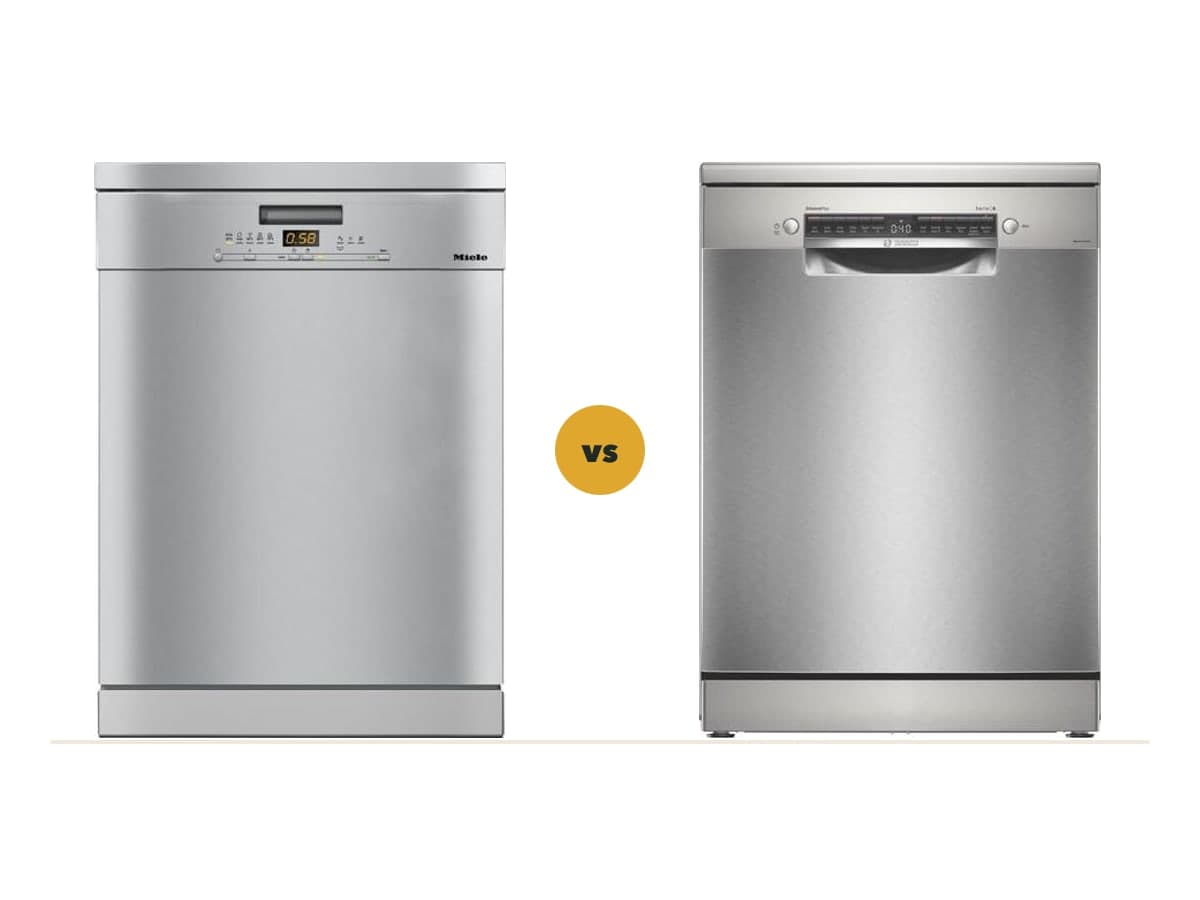
- Miele vs Bosch: Miele uses 9.2 litres a cycle and is sold direct rather than through the chains.
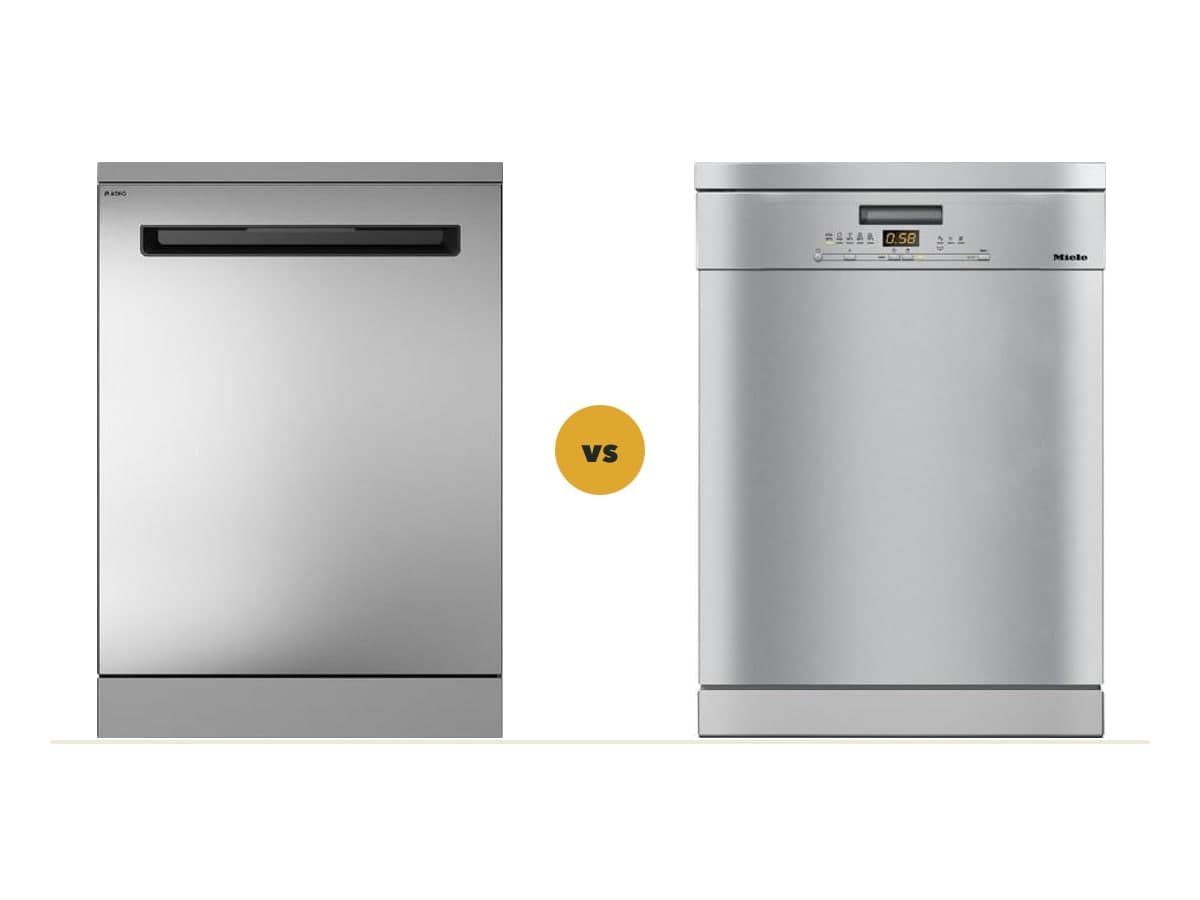
- Asko vs Miele: Asko uses less energy and has more spray zones. Miele uses less water and holds the best WELS rating sold here.
The shortlist
- The best dishwashers in Australia: what suits each budget step, led by an LG QuadWash.