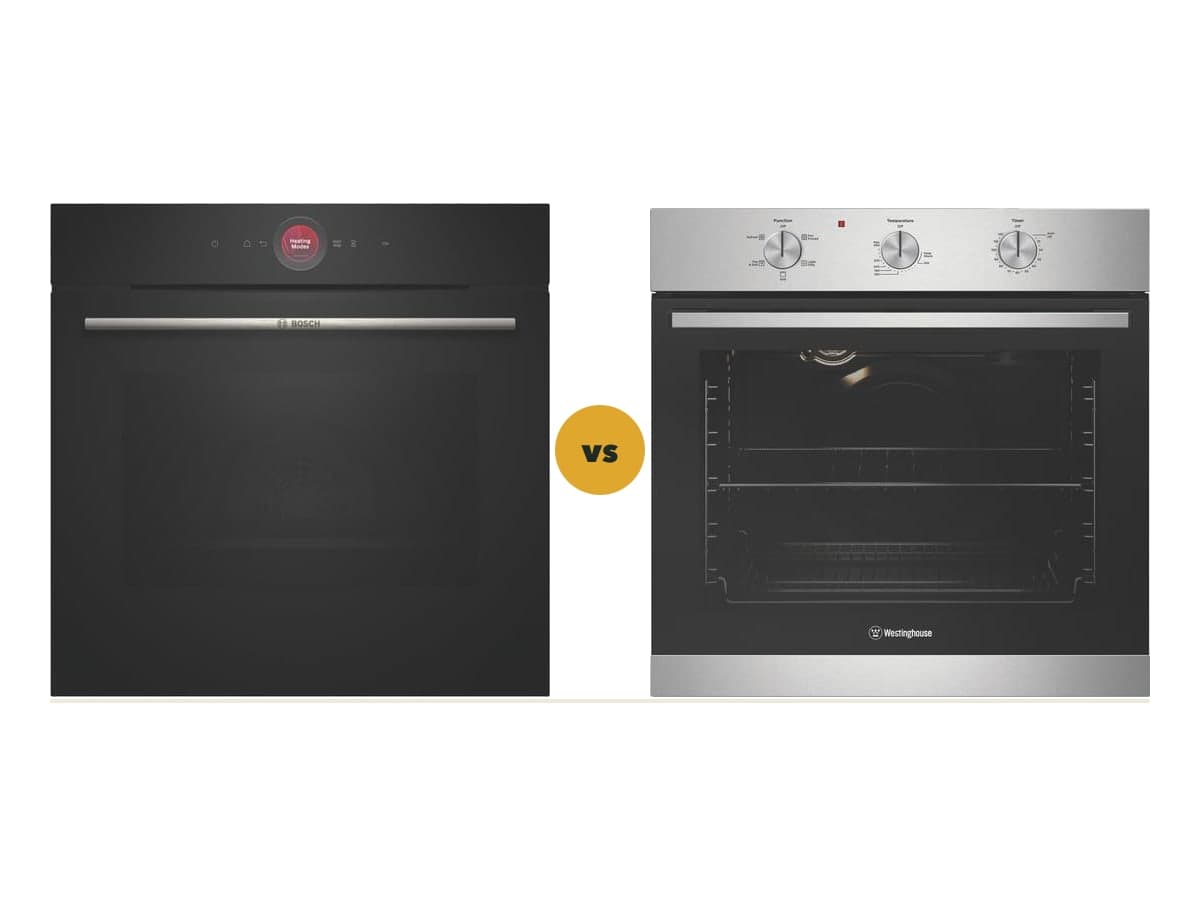
Pyrolytic cleaning is the only one of the three that genuinely removes the job: the oven heats its own cavity to around 480°C, turns baked-on fat to ash, and you wipe it out with a damp cloth. Catalytic liners absorb some splatter during normal cooking and help around the edges. Manual cleaning means a scourer and caustic spray.
Pyrolytic ovens start around $1,200 in Australia, which is roughly $500 over an equivalent manual-clean model. Whether that is worth it comes down to how often you roast.
Pyrolytic
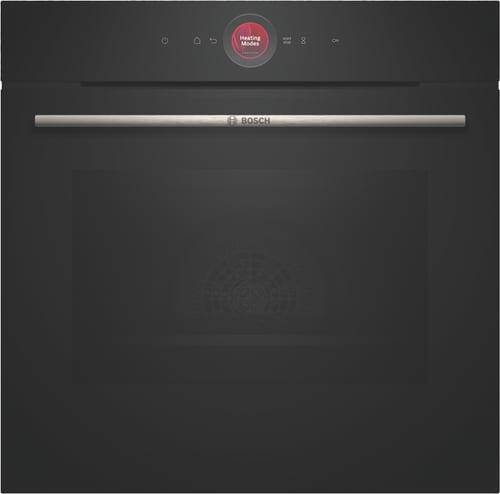
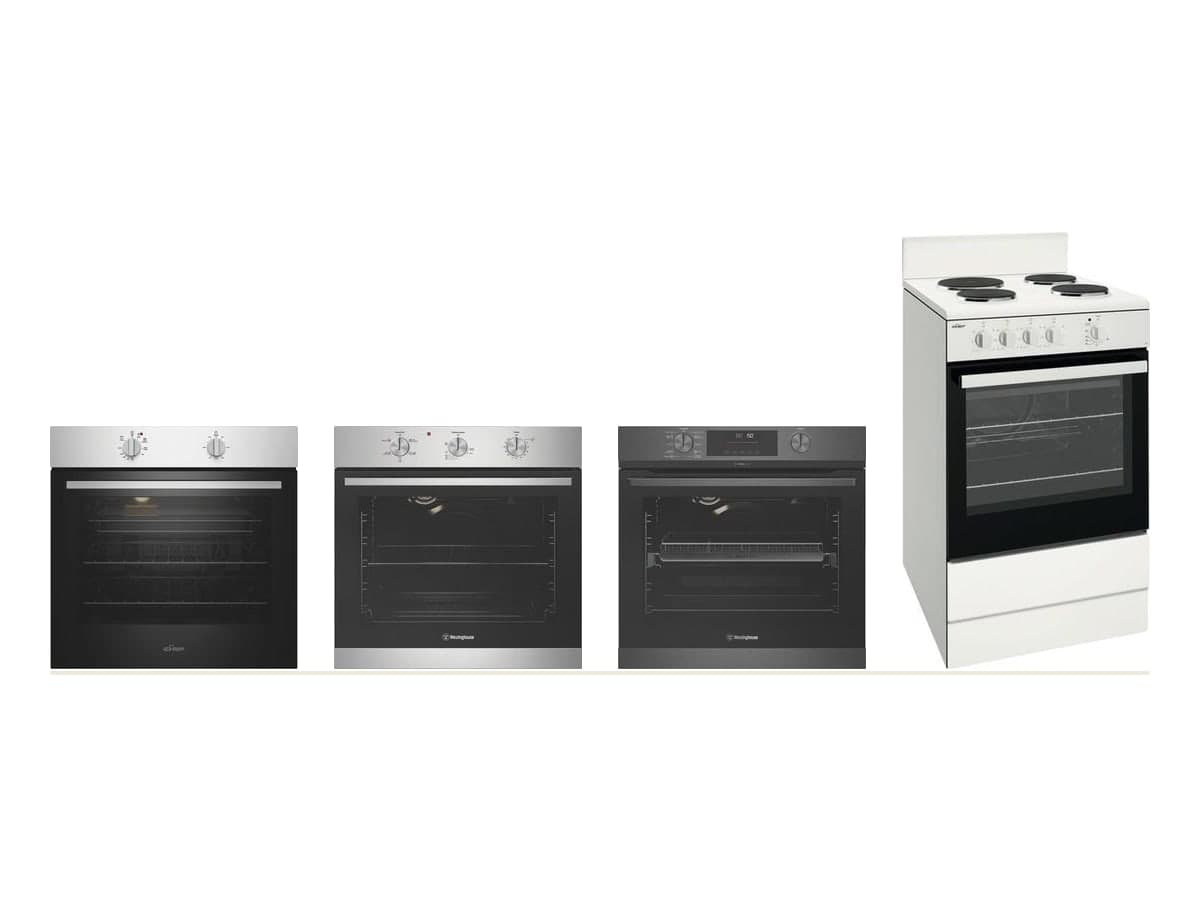
Bosch's Series 8 is the reference: fourteen functions, a pyrolytic cycle and a HydroClean steam program for lighter jobs, rated 4.9 from more than 20 owners at The Good Guys. Westinghouse's 60cm pyrolytic does the same job with ten functions and AirFry for around $1,200, rated 4.8 from more than 70 owners, which is the better-value entry into the technology.
The catch is the cavity. A pyrolytic oven needs heavy insulation to hold 480°C safely, and that insulation eats interior space: Westinghouse's pyrolytic model is 68 litres against 72 in its manual-clean sibling, and Smeg's pyrolytic is 68 litres against 79 in the Classic. The cycle itself takes one and a half to three hours, uses several kilowatt hours, and gets the kitchen warm.
What We Like:
- Actually removes the job
- No chemicals
- Now available under $1,300
What We Don't Like:
- Smaller cavity for the same cabinet
Catalytic
Catalytic liners are a rough enamel coating on the oven's side and rear walls that oxidises fat splatter at normal cooking temperatures, roughly above 200°C. Bosch calls its version EcoClean Direct and fits it to the Series 2.
It works on light splatter on the walls it covers, and it does nothing for the door, the floor or the shelves, which is where most of the mess lands. The liners also lose effectiveness over years and are a replaceable part on some models. Treat catalytic as a small help, not a cleaning system.
Manual clean
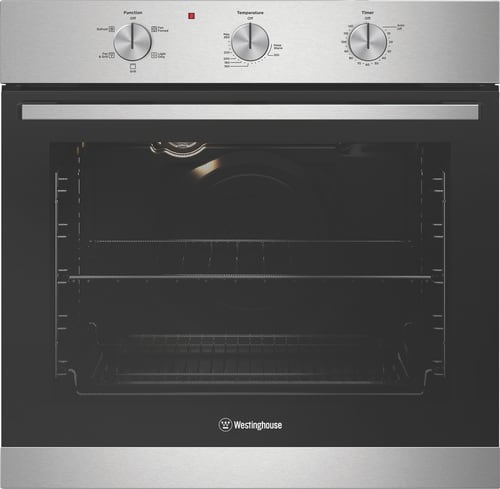
Everything else. Westinghouse's 60cm at around $700 is rated 4.7 by nearly 150 owners at The Good Guys, and it has a removable door and removable inner glass panes, which is the feature that makes hand cleaning tolerable.
Manual cleaning means oven cleaner, gloves, ventilation and about an hour. Some ovens make it far easier than others: look for a drop-down door that lifts off, inner glass that comes out, and shelf runners that unclip.
What We Like:
- Cheapest, and the largest cavity for the cabinet
- Removable door and glass make it manageable
What We Don't Like:
- An hour with caustic cleaner, several times a year
What each type is good at
| Pyrolytic | Catalytic | Manual clean | |
|---|---|---|---|
| How it cleans | Burns residue to ash at about 500°C | Liner absorbs splatter as you cook | You do it |
| Effort | Wipe out the ash | None, until the liner is spent | Scrubbing |
| Cycle length | 1.5–3 hours | Ongoing | — |
| Smell and heat while cleaning | Considerable | None | None |
| Liners need replacing | No | Yes, eventually | No |
| Removable door and inner glass | Usually | Sometimes | The feature that makes it bearable |
| Price premium | $400–$700 over a manual oven | Small | None |
| Suits | Roasting often, hating oven cleaner | Light cooking | A tight budget, or a rarely used oven |
Side by side
| Pyrolytic | Catalytic | Manual | |
|---|---|---|---|
| How it cleans | Burns residue to ash at ~480°C | Liners oxidise splatter while cooking | You do |
| Covers | Whole cavity | Side and rear liners only | Whole cavity |
| Effort after | Wipe out ash | Occasional wipe, plus manual for the rest | Scrub with cleaner |
| Typical entry price | $1,100–1,200 | Built into some entry ovens | $600–700 |
| Cavity penalty | ~4–11L smaller | None | None |
| Cycle cost | A few kWh per clean | None | Cleaner and gloves |
| Time | 1.5–3 hours, unattended | None | About an hour, hands on |
| Door locks during | Yes | No | No |
Is pyrolytic worth the money
It depends on one question: how often do you roast meat or cook something that spits?
Worth it if you roast weekly, cook a lot of tray bakes, or simply will not clean an oven and would rather it never got that far. The cycle costs a couple of dollars in electricity and replaces a job most people put off for a year.
Not worth it if you mostly bake, reheat and use the oven for trays with baking paper, or if the extra four to eleven litres of cavity matters more than the cleaning. A manual-clean oven with a removable door and glass panes, cleaned twice a year, is perfectly reasonable.
Practical notes from owners: run the cycle overnight or with a window open because it smells, take the shelves out first unless the manual says they are pyrolytic-safe, and keep birds out of the house while it runs, as the fumes from heated non-stick and residue can be harmful to them.
FAQs
Does a pyrolytic cycle damage the oven?
No. The oven is built for it and the door locks until the cavity cools. What it can damage is anything left inside, including standard shelves and side racks, so check the manual.
Can I use oven cleaner in a pyrolytic oven?
Manufacturers advise against it. Caustic cleaners can damage the enamel that makes the pyrolytic cycle work. Wipe with water and a cloth, and let the cycle do the rest.
Is steam cleaning the same as pyrolytic?
No. Steam or hydro cleaning softens light soil at a low temperature over about half an hour. It helps with recent splatter and does not touch carbonised fat. Several ovens, including Bosch's Series 8, offer both.
How much does a pyrolytic cycle cost to run?
In the order of 3 to 5kWh, so roughly $1 to $1.60 at 32 cents a kilowatt hour, a few times a year.