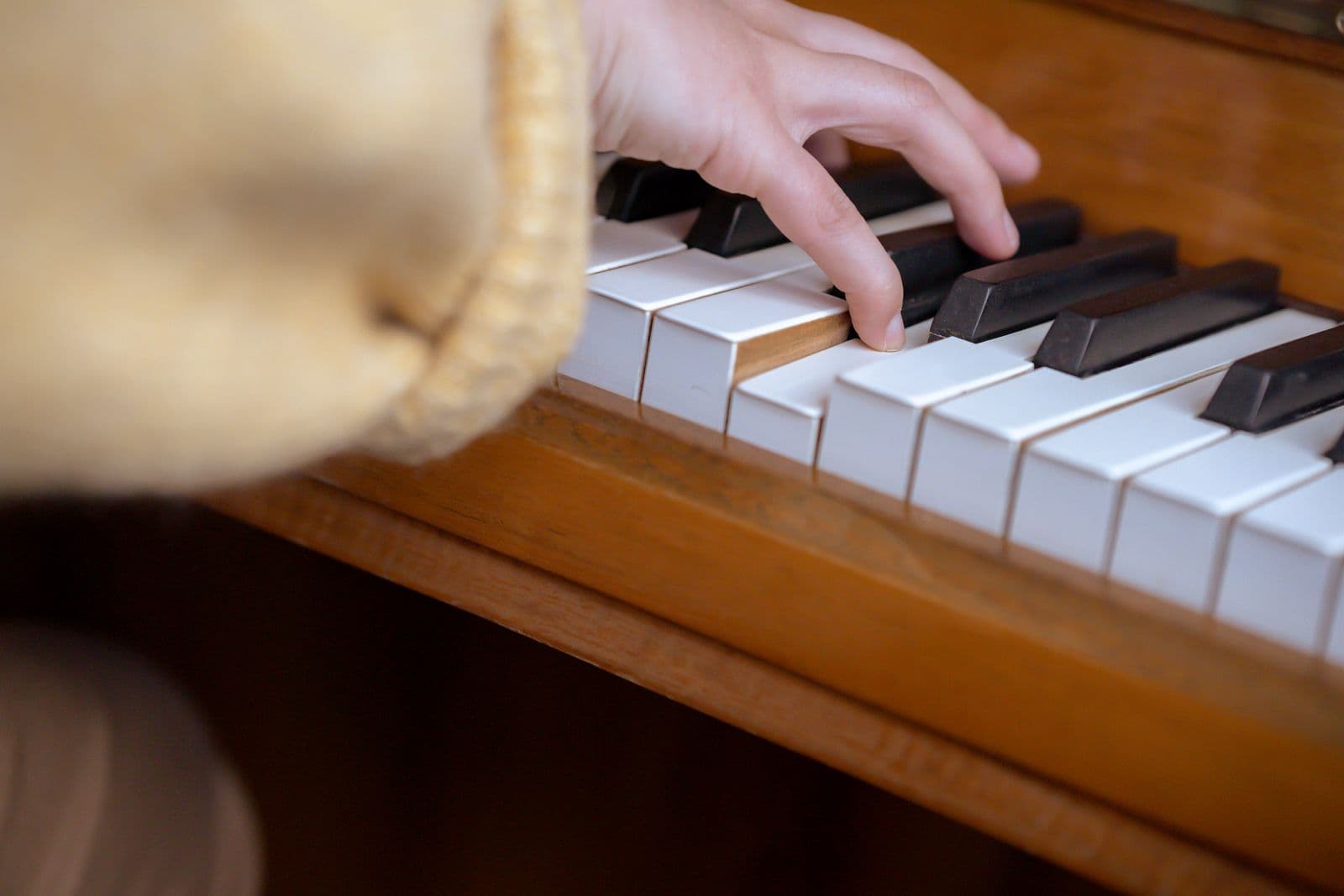
A digital piano with properly weighted keys is the difference between learning piano and learning keyboard, and the price of real hammer action has collapsed. The Donner below leads the online listings on owner evidence, with the music-store tier explained after it.
1. Best Overall: Donner DDP-80
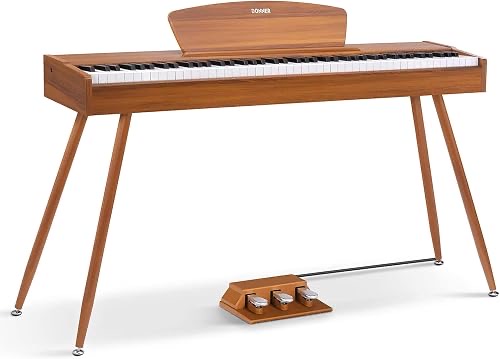
The DDP-80 is the online category's breakout: 88 hammer-weighted keys in a furniture-grade wooden cabinet, and 807 owners averaging 4.4 stars. Adult beginners and returning players fill its reviews, most of them surprised a real-feeling piano arrived in a courier box.
At around $660 including the stand it undercuts the music-store entry tier by hundreds. The single built-in sound is honest minimalism: it's a piano, not a synth.
What We Like:
- True hammer-weighted keys
- Furniture-grade cabinet
- One honest piano sound
What We Don't Like:
- No extra voices
Other options worth a look
- Casio CDP-S110 and Yamaha P-45 — the music-store entry benchmarks around $700-900, with the dealer setup and warranty that nervous buyers value.
- Roland's FP line — the gigging and serious-student tier from $1,200 at music retailers, where key action and speakers step up together.
- The Donner DDP-100 bundle — the DDP-80's bigger sibling with bench and pedals in the box, when its listing shows local stock.
How to pick a digital piano
Weighted keys are non-negotiable for learning. Teachers agree across every forum: unweighted keyboards build habits that real pianos punish. Hammer action, which every option above carries, is the line that matters.
88 keys or count the compromise. Shorter boards save space and cost repertoire: plenty of grade pieces run off the ends of 61 keys. Full-size is the safe default for anyone taking lessons.
Headphones are the family peace treaty. Every digital piano practises silently through headphones, which is the feature that keeps adult learners learning and households speaking. A sustain pedal and a proper stool complete the setup.
RELATED: The Best Streaming Devices and The Best Computer Monitors
FAQs
Is a digital piano good enough for exams?
Through the middle grades, yes, examiners and teachers accept weighted digitals for practice universally. Advanced repertoire eventually wants acoustic hours, which teachers flag when it matters.
Do digital pianos need tuning?
Never, which alongside headphones and moveability is the entire domestic case against the acoustic upright.