An impact driver does one thing a drill can't: it hammers rotationally as it turns, driving long screws and stubborn bolts without wrist-wrenching kickback. The three below are the ones worth owning at each budget, linked to the retailer that actually has them, whether or not that store pays us a cent.
1. Best Overall: Makita DTD153Z 18V Brushless
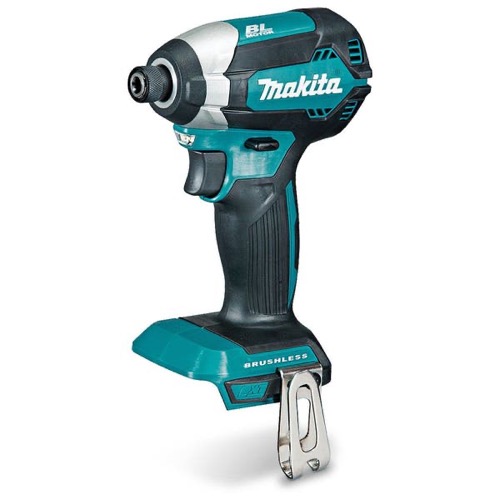
The DTD153 is the brushless 18V driver that turns up on job sites everywhere, and the reason is boringly practical: 170Nm of torque, a body light enough for all-day overhead work, and Makita's LXT batteries behind it, the most widespread tool platform in the country. Around $236 as a skin at Total Tools, sold beside its kit versions.
It's a skin, so it assumes LXT batteries. For a first Makita, the DTD153RFE kit with two 3.0Ah batteries and a charger runs around $529 at the same counter, and that kit is how most people sensibly start.
What We Like:
- 170Nm brushless motor
- Light for overhead work
- LXT battery platform
What We Don't Like:
- Skin assumes batteries
2. Best Budget: Ozito PXC 18V Kit PXIDK-250
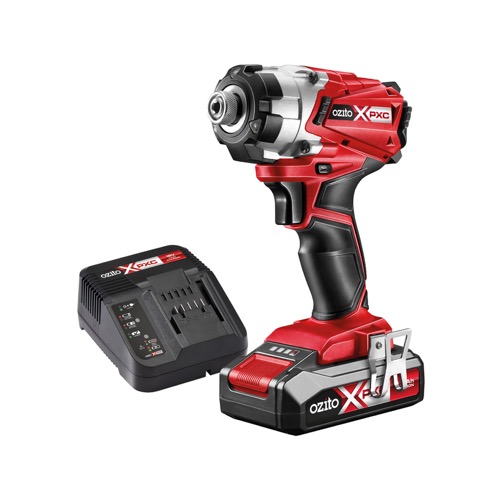
Ozito's PXC kit is the whole answer for around $99: driver, battery and charger in one box, rated 4.9 by its Bunnings reviewers, with the five-year warranty the PXC range carries. For decks, flat-packs and the occasional stubborn bolt, it does the job the big brands do at a third of the outlay.
The trade is stamina: it drives fewer screws per charge and the torque sits well below the Makita's, which weekend work never notices and a fencing contract would.
What We Like:
- Kit complete at $99
- Five-year warranty
- PXC batteries fit dozens of tools
What We Don't Like:
- Weekend-grade stamina
3. Best Compact: Milwaukee M12 Subcompact
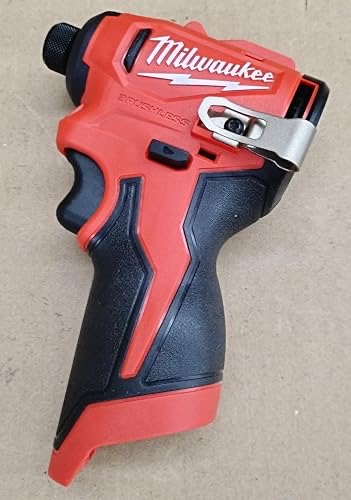
Milwaukee's M12 subcompact is the shortest serious impact driver sold, built for between-studs and inside-cabinet work, and its 413 owners average 4.6 stars at around $160. The brushless motor pulls more torque than the size suggests, and the M12 battery range behind it is enormous.
Two things to weigh: this listing ships from Amazon's US warehouse with free delivery, so allow a week or two, and it's a skin. Milwaukee's Australian dealer network sells the same tool over the counter for the impatient.
What We Like:
- Fits between studs
- Brushless torque
- Huge M12 ecosystem
What We Don't Like:
- Ships from overseas
- Battery and charger extra
Other impact drivers worth a look
- DeWalt's DCF850 Atomic — the shortest 18V driver of the big three, at tool retailers around the Makita's money. The pick when the shed already runs yellow batteries.
- Milwaukee M18 FID3 — the full-size trade flagship at Milwaukee dealers, for the fencing-contract end of the spectrum.
How to pick an impact driver
The platform decides more than the tool. The first battery brand you buy is effectively a subscription: every later tool gets cheaper as a skin on the same batteries. Choosing Makita, Milwaukee, DeWalt or Ozito deliberately beats choosing by whichever is on sale.
Impact driver versus drill. The impact driver drives screws and bolts; it doesn't drill neat holes or take normal round-shank bits. Most sheds want both eventually, and the combo kits at every counter price accordingly.
Hex-shank bits only. The quarter-inch collet takes hex bits, and only impact-rated ones survive the hammering. Ordinary round-shank bits belong in a drill.
RELATED: The Best Tape Measures and The Best Folding And Pruning Saws
FAQs
Why is my impact driver so loud?
The rattle is the impact mechanism doing its job, metal striking metal thousands of times a minute. Hearing protection is standard practice with every brand.
Do I need an impact driver for flat-pack furniture?
No, and it can overdrive the soft fittings. A drill on low torque or a hand screwdriver suits chipboard; the impact driver earns its keep on decking, framing and rusted bolts.