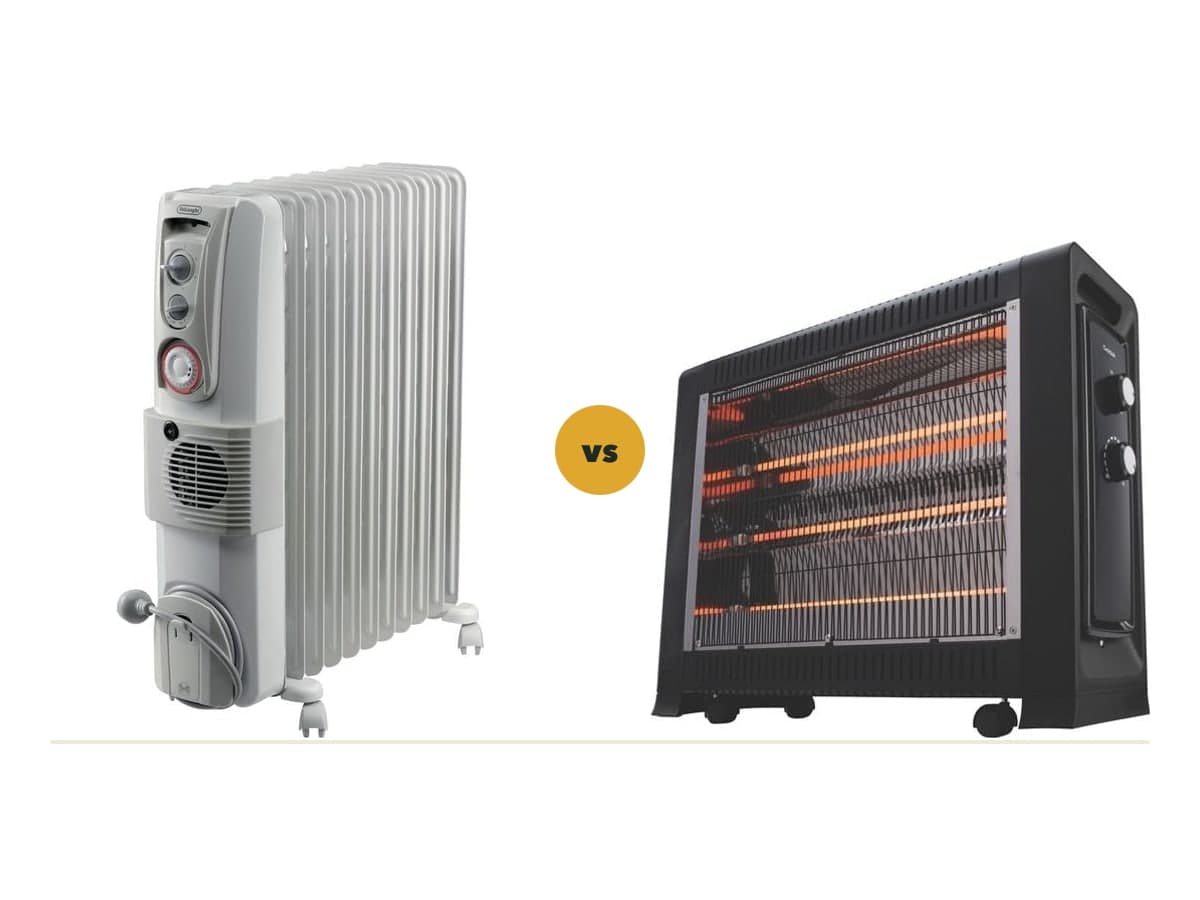
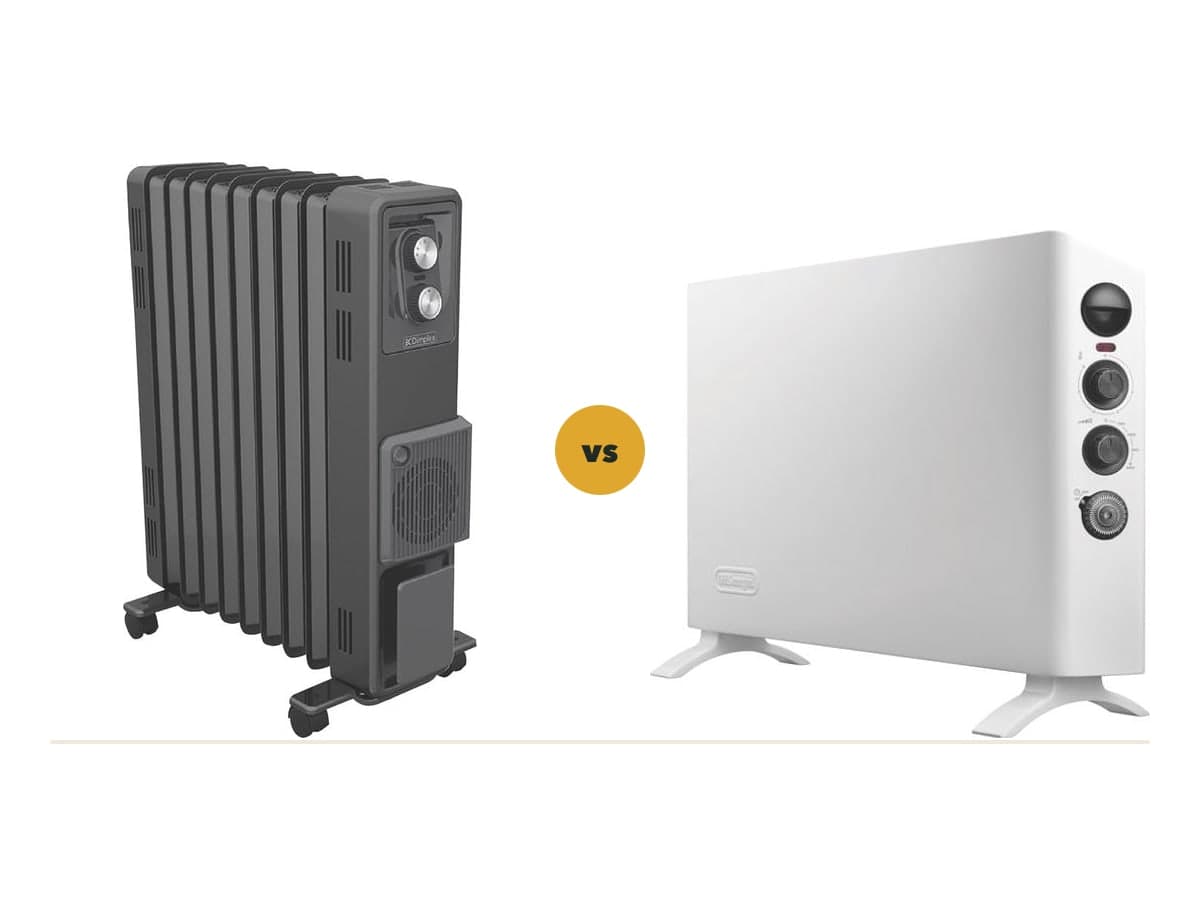
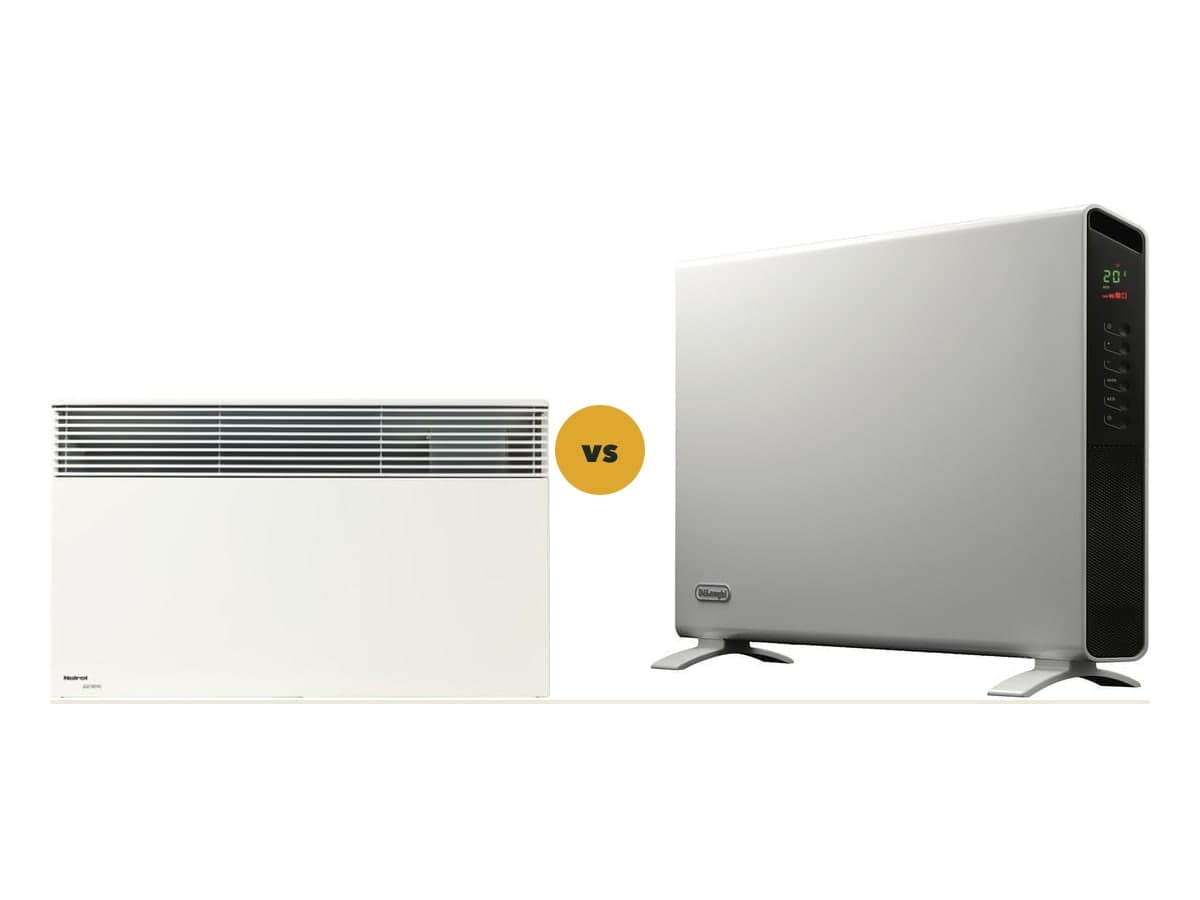
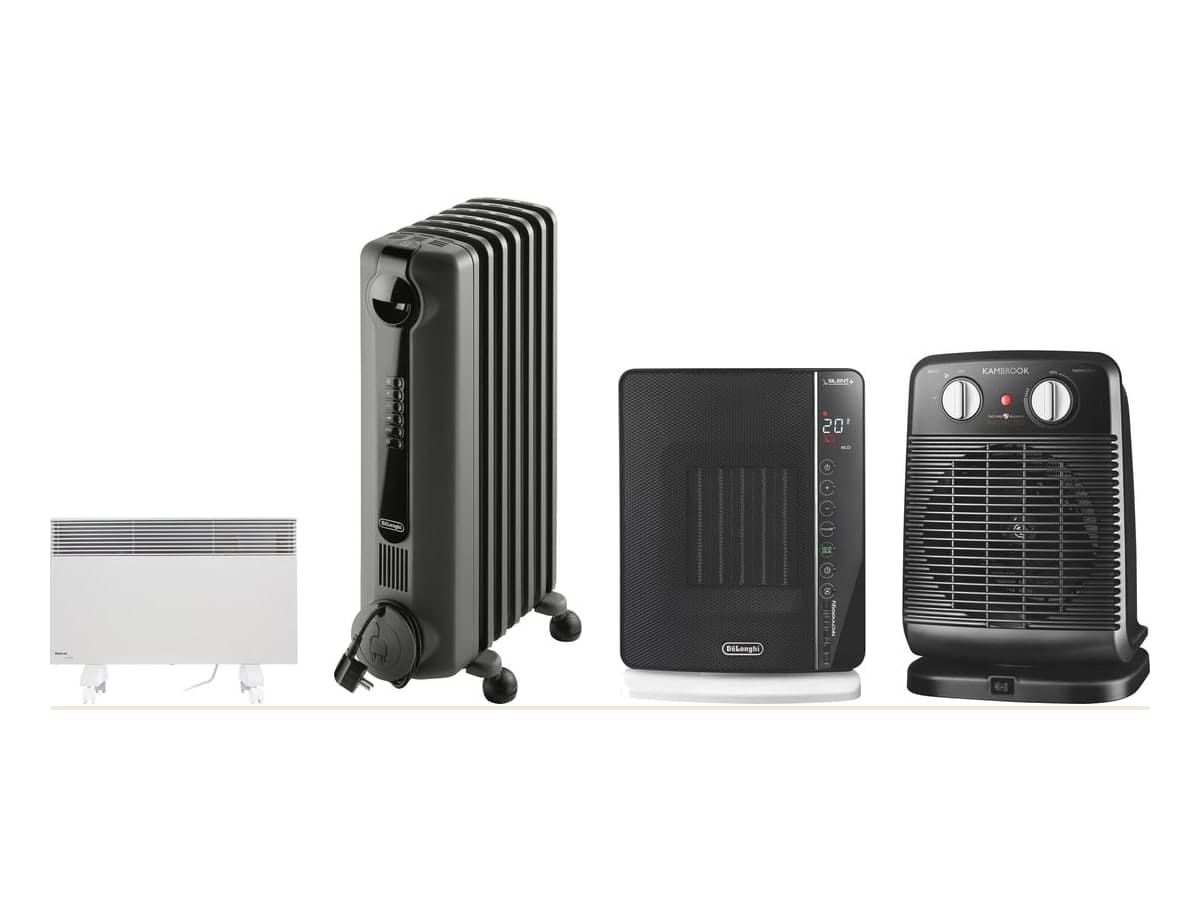
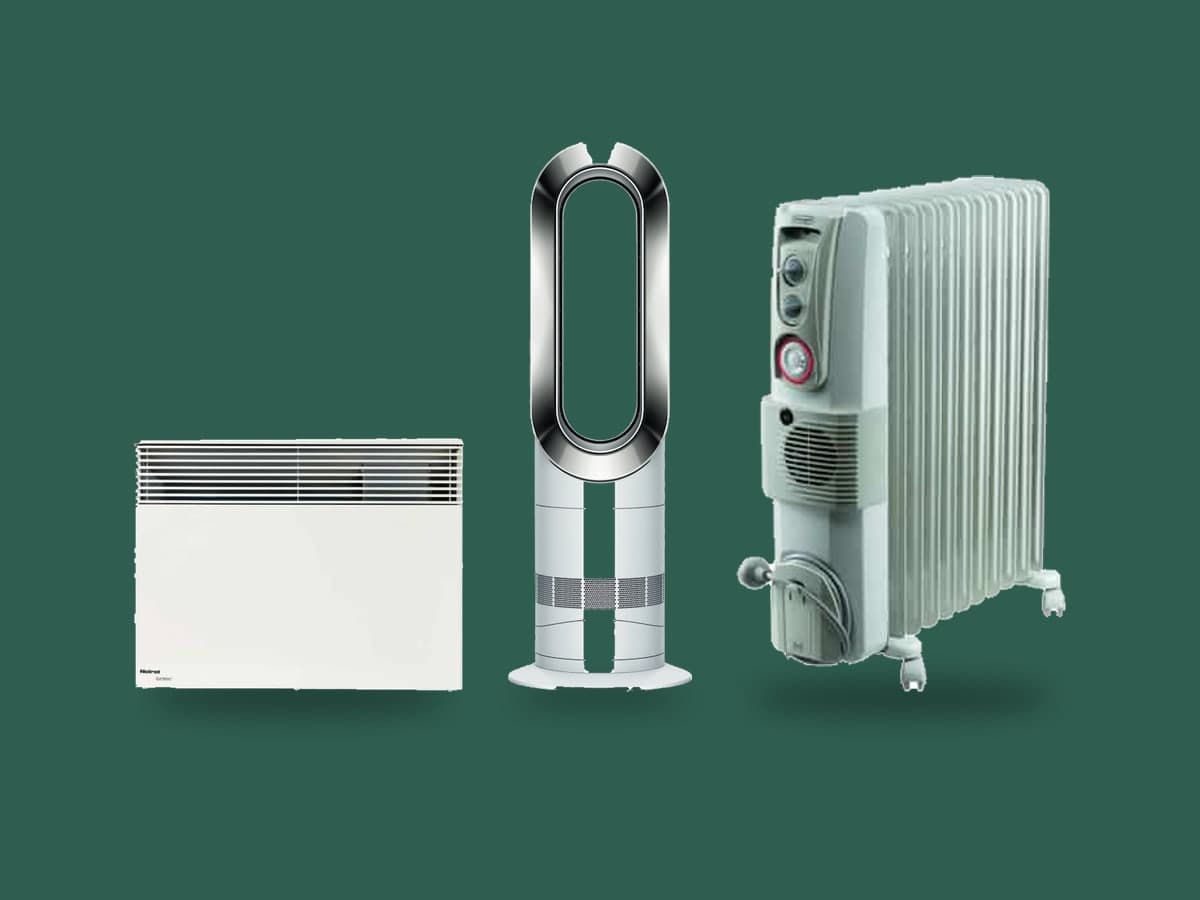
Heaters are the appliance where the marketing works hardest and the physics gives it the least room. Every plug-in electric heater of the same wattage puts out the same heat, so what separates a $21 fan heater from a $450 panel is noise, how fast the room warms, and what happens after it switches off.
The specifications here come from the energy rating labels, published noise figures and the retailer listings each product links to.
Start with the type
- Panel vs oil column vs ceramic vs fan heater: four kinds, all 10 amps, all the same running cost per hour. The differences are noise, speed and what happens after switch-off.
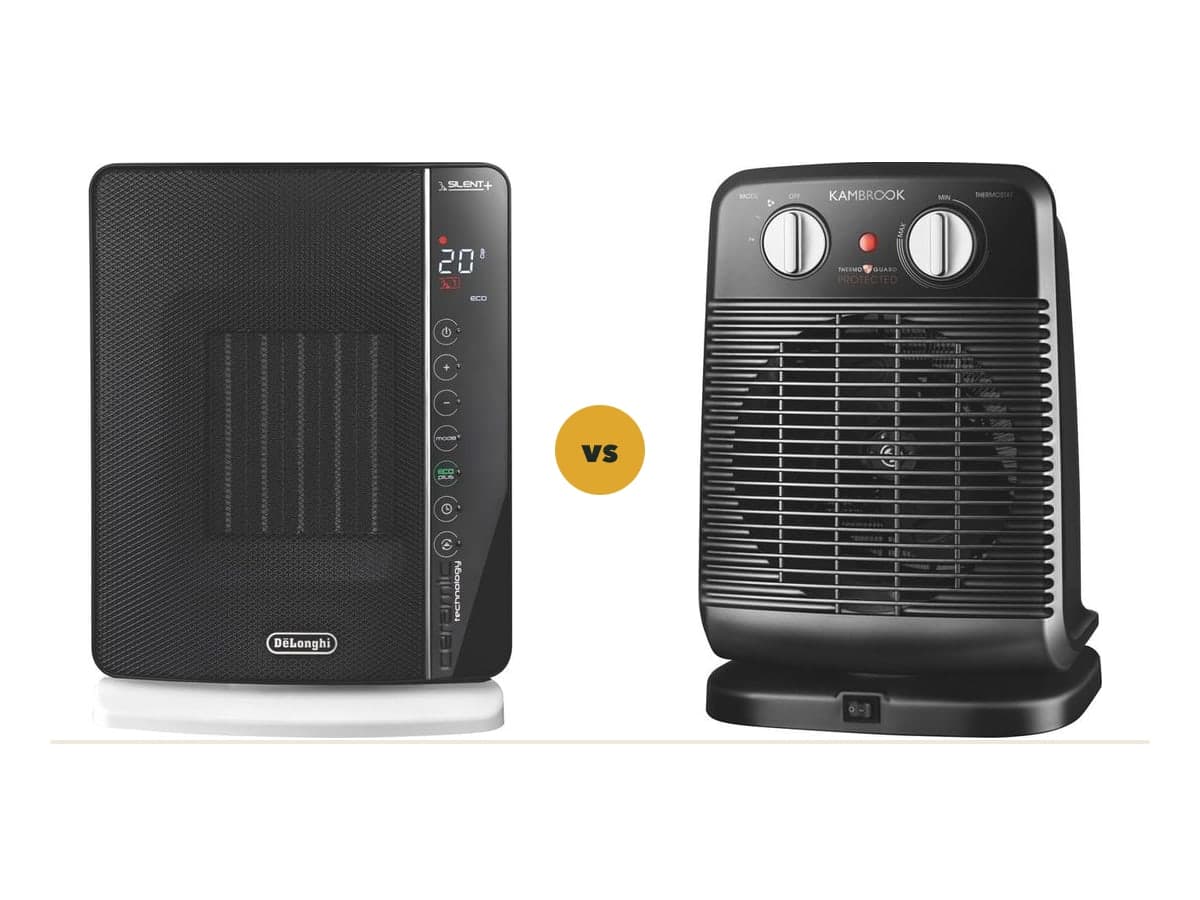
- Ceramic heater vs fan heater: both blow warm air. Ceramic adds a thermostat, a remote and quieter running for about twice the price.
Panel heaters
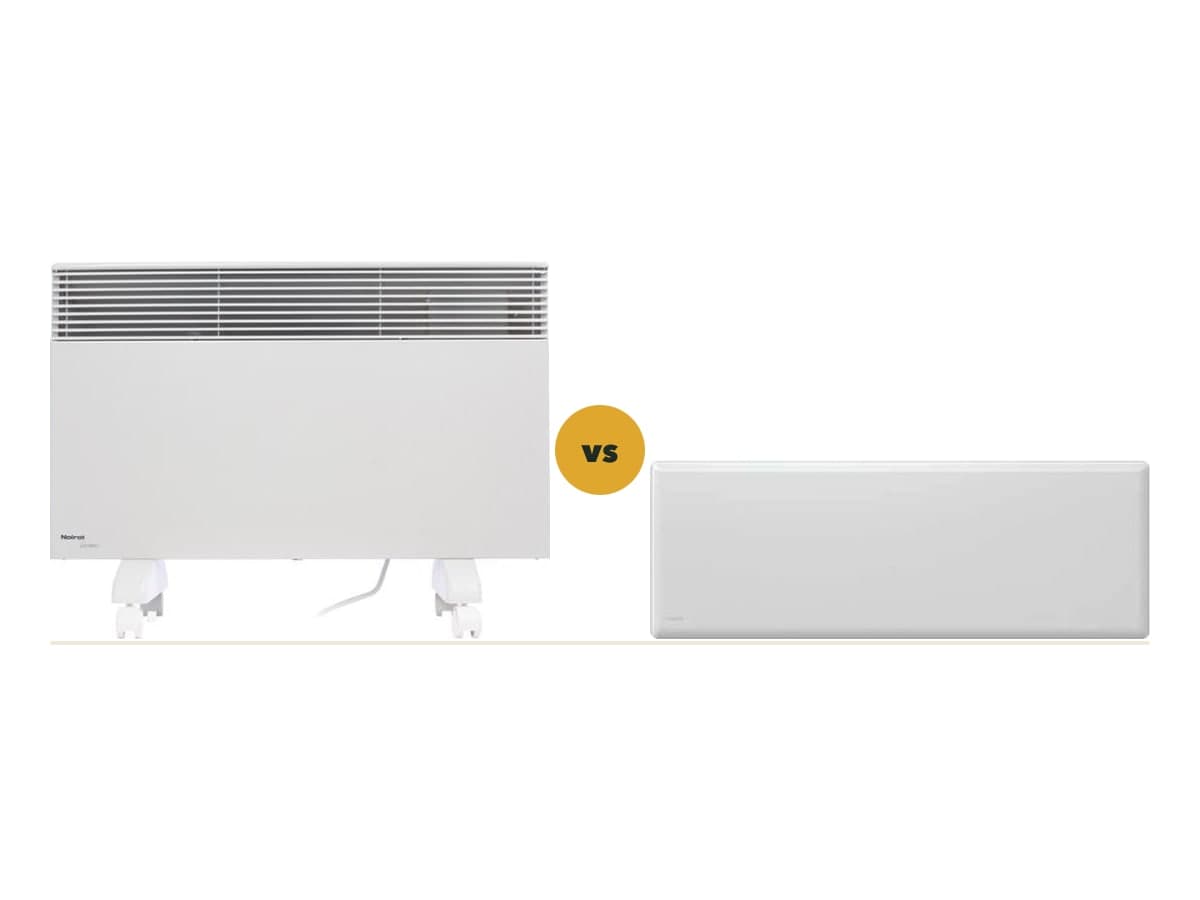
- Nobo vs Noirot: both silent European panels with lifetime warranties. Noirot is stocked by the chains at a much lower price; Nobo now sells through marketplace sellers.
- Noirot vs De'Longhi: Noirot is silent and warranted for life; De'Longhi's SlimStyle uses fans to heat a room faster for less money.
Oil column and convector heaters
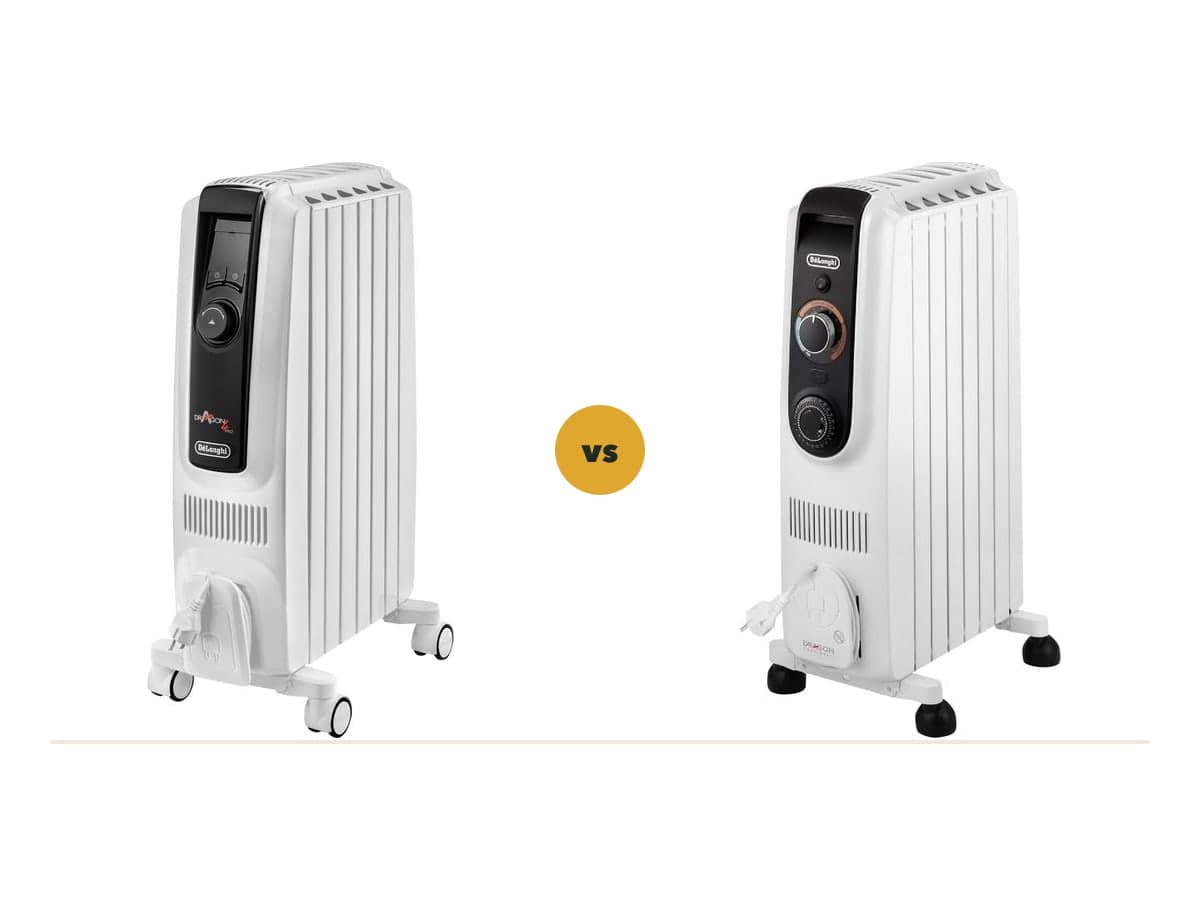
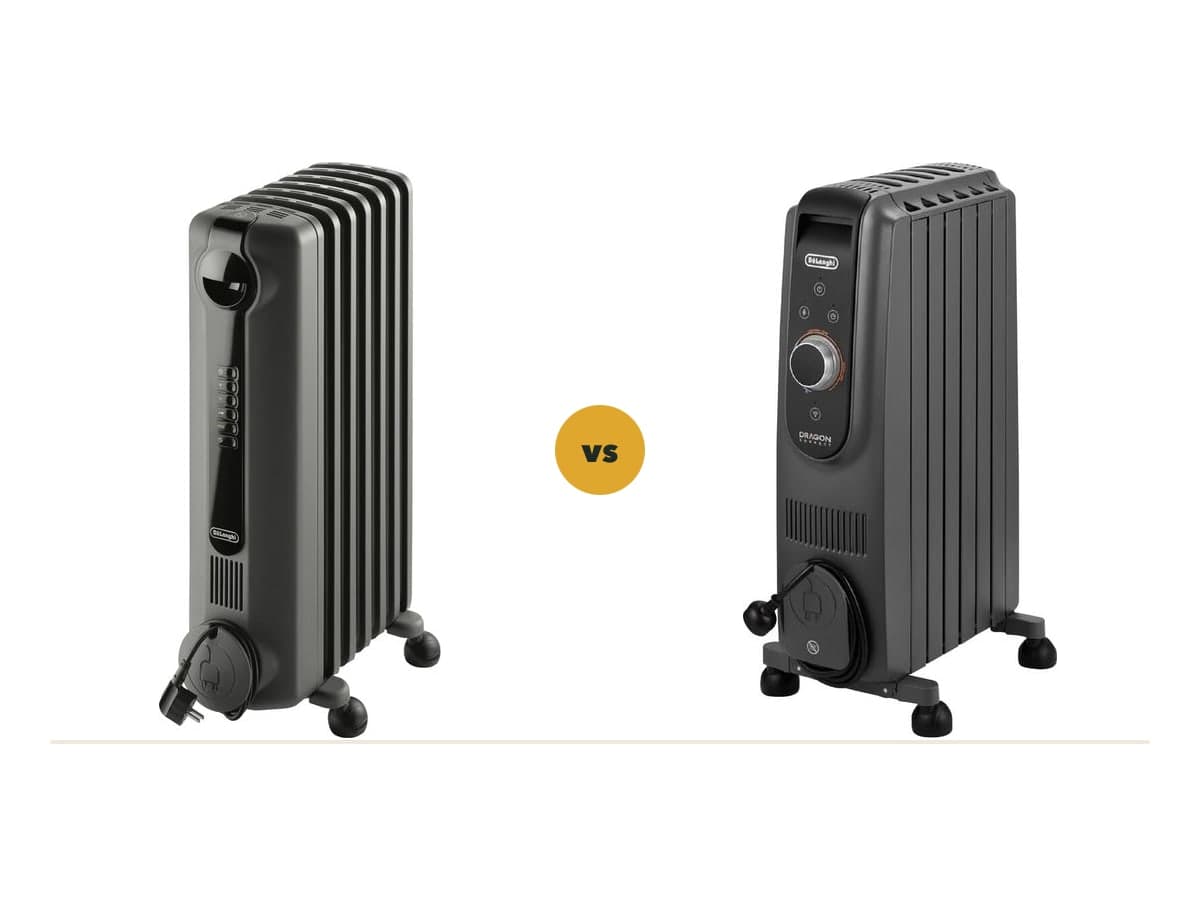
- De'Longhi Dragon vs Radia S: the Radia S costs half what a Dragon does and heats the same 45m³ room.
- De'Longhi Dragon 4 Pro vs Dragon5: the timer moves from the heater to an app. Same 1500W, same room size, same seven years.
- Dimplex vs De'Longhi: Dimplex's oil-free column heats in about a third of the time and adds a turbo fan.
Budget against brand
- De'Longhi vs Goldair: Goldair's 2400W radiant heater costs a quarter of De'Longhi's column, and both produce 2400 watts of heat.
Running costs and the shortlist
- The most energy efficient heaters: which types cost least to run, with honest hourly figures.
- The best electric heaters: De'Longhi, Dyson and Kambrook at each price step.
Two things worth knowing before you shop
Every plug-in electric heater costs the same to run. A 2400-watt heater turns 2400 watts into 2400 watts of heat whether it is a $21 fan heater or a $450 panel. At around 32 cents a kilowatt-hour that is roughly 77 cents an hour flat out. The only thing that changes the bill is how often the thermostat lets it run, which is why insulation and a closed door beat any feature on the box.
A reverse-cycle split system is the exception. It moves heat rather than making it and returns roughly three to four kilowatts of warmth per kilowatt of electricity. In a room used every day through winter it costs a fraction of any plug-in heater to run, which is how the installation cost comes back over a few seasons.