These three machines get confused with each other and do opposite jobs. A purifier filters what is in the air and changes nothing about how damp it is. A dehumidifier pulls water out, which is what helps with mould and with drying washing indoors. A humidifier puts water back, for a dry room in winter.
The running cost that matters on a purifier is the filter rather than the power, and it is the figure least often on the box. The specifications here come from each brand's Australian product pages and the retailer each machine links to.
Air purifiers
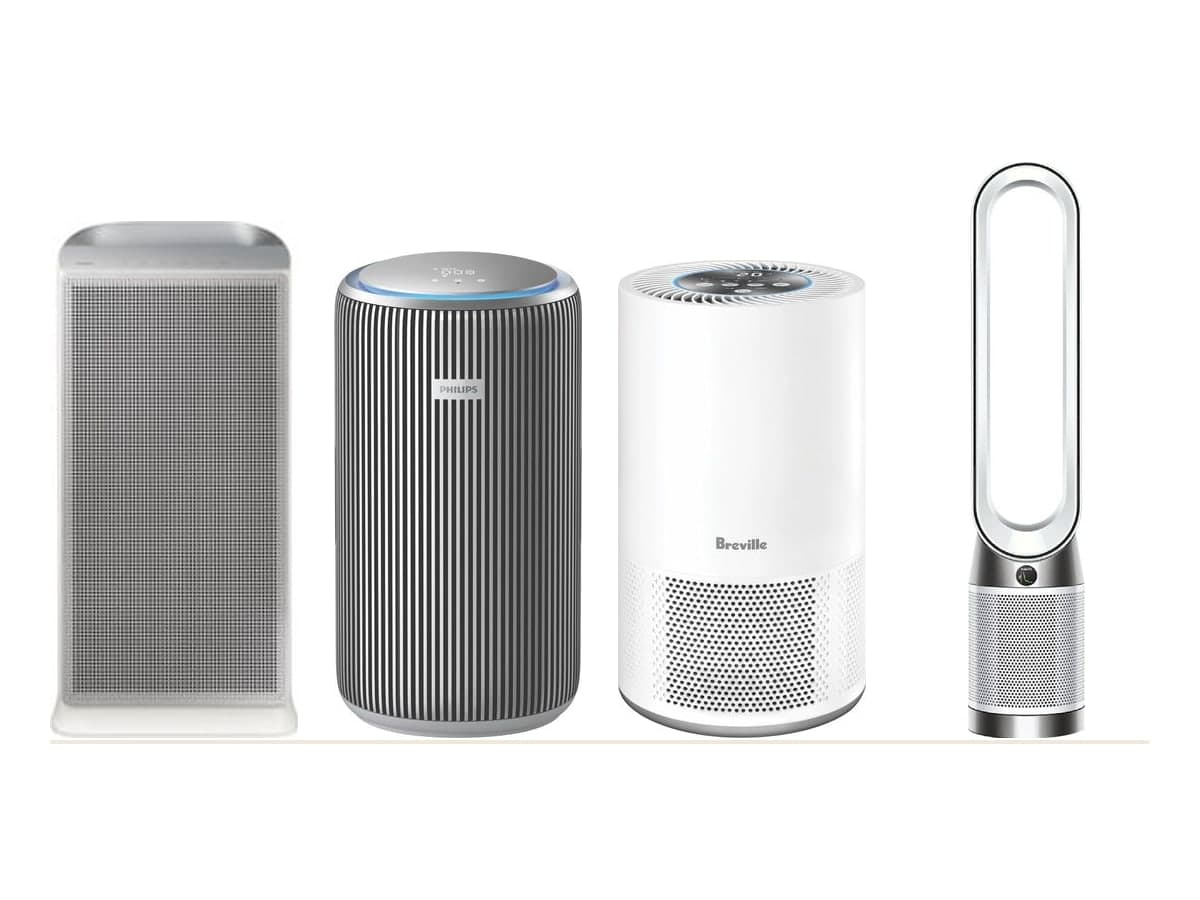
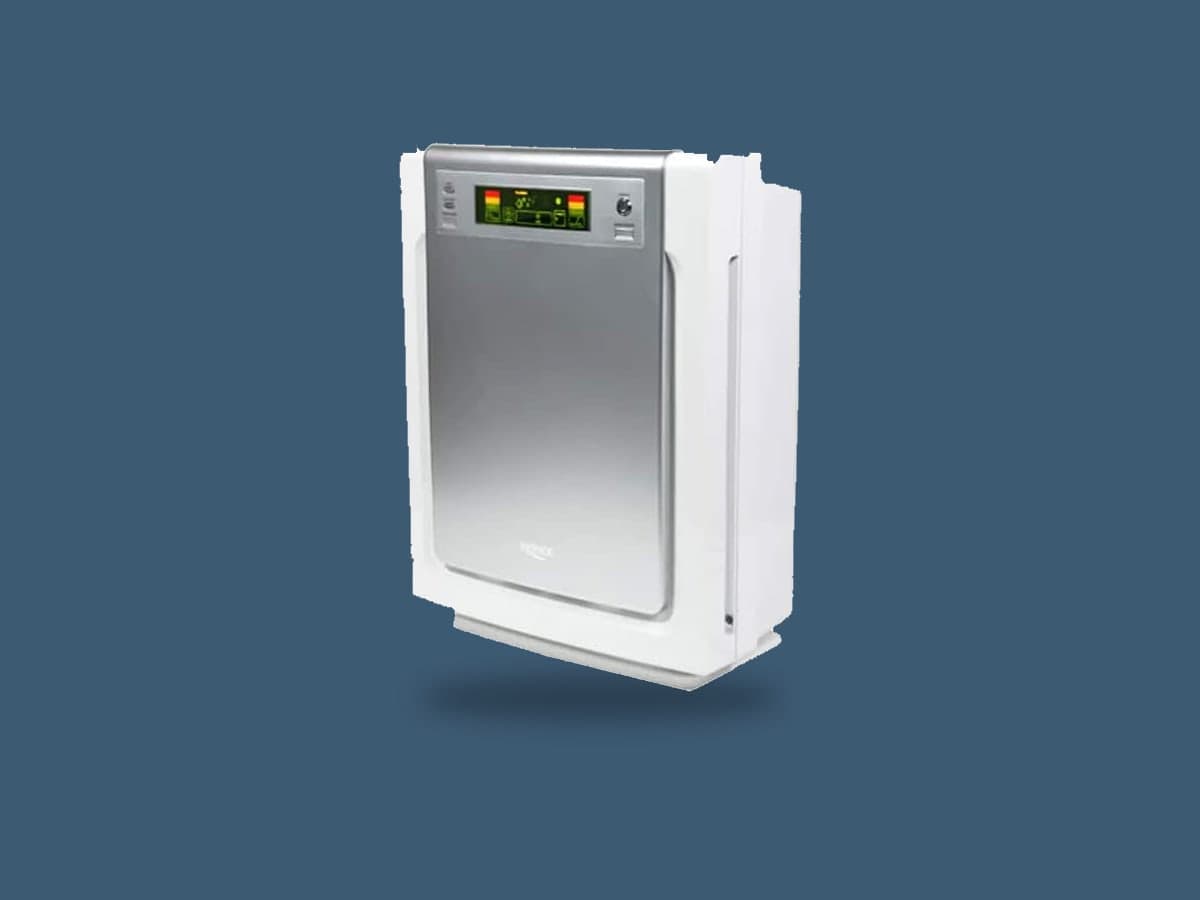
- The best air purifiers: Coway, Arovec and the rest of what is actually stocked here.
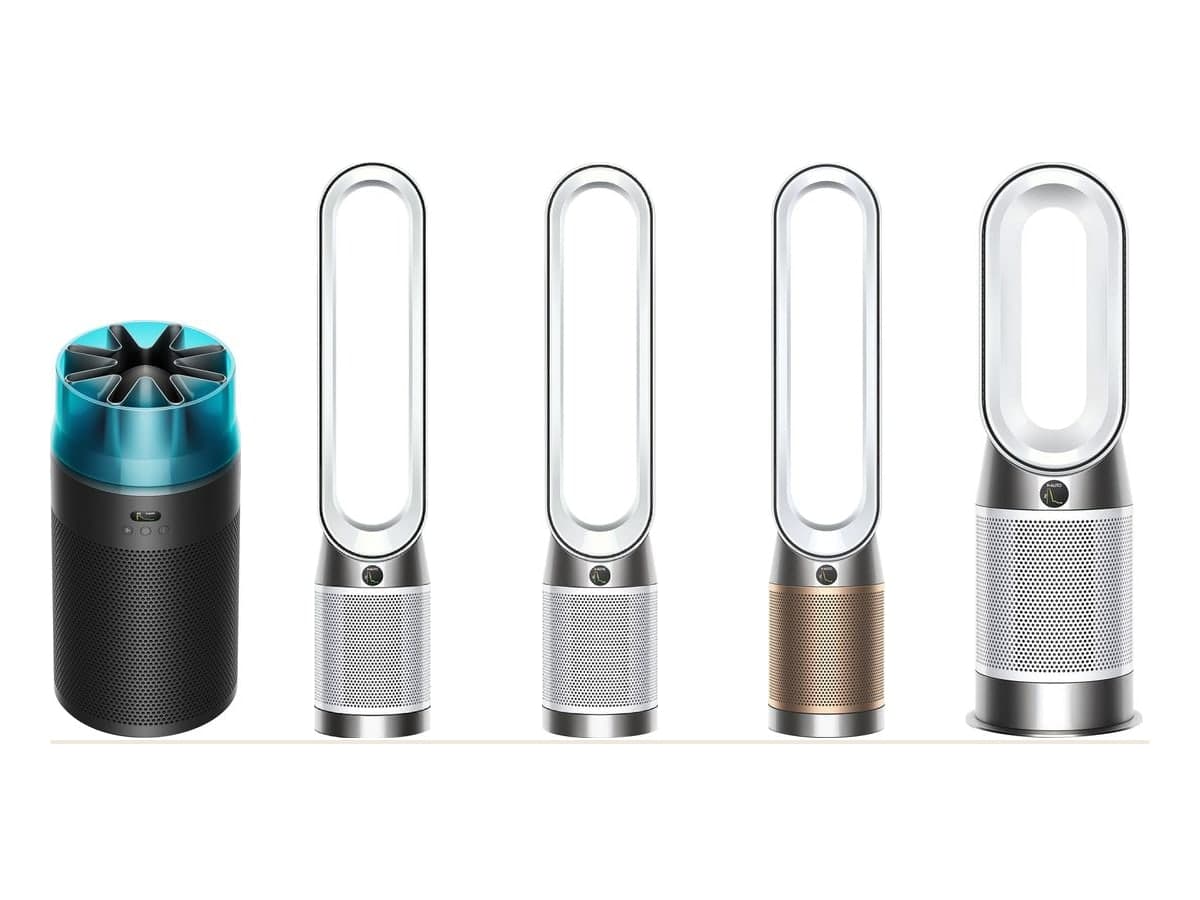
- Dyson purifier range explained: eight models where the numbers say nothing. What TP, HP and HJ mean, and which filter you are paying for.
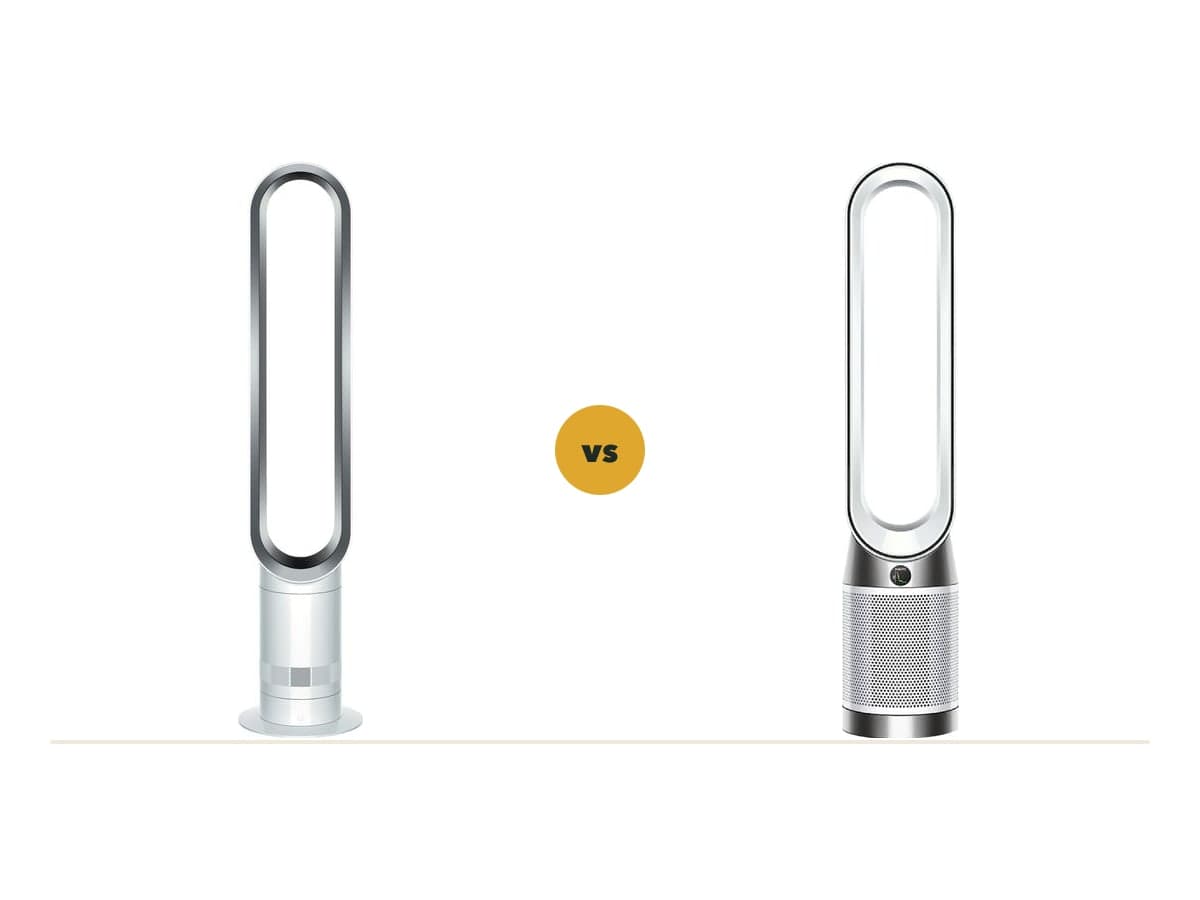
- Dyson purifier vs fan: the AM07 and the TP11 look alike and move air the same way. One filters it.
- Samsung air purifiers: one model left in Australia, the AX5500, and the electrical chains do not stock it.
Dehumidifiers
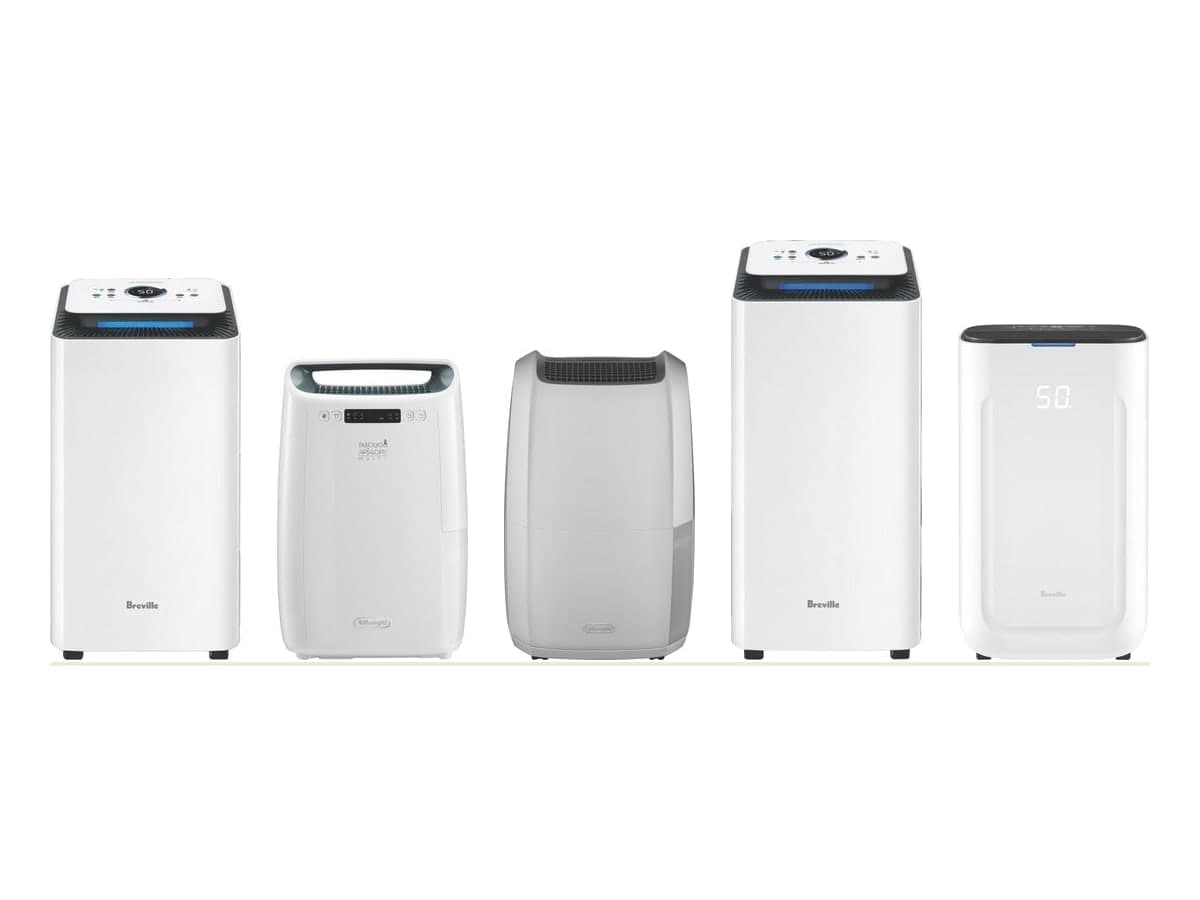
- The best dehumidifiers: De'Longhi's 25L costs less than its 21L, and the 2-in-1 doubles as a purifier.
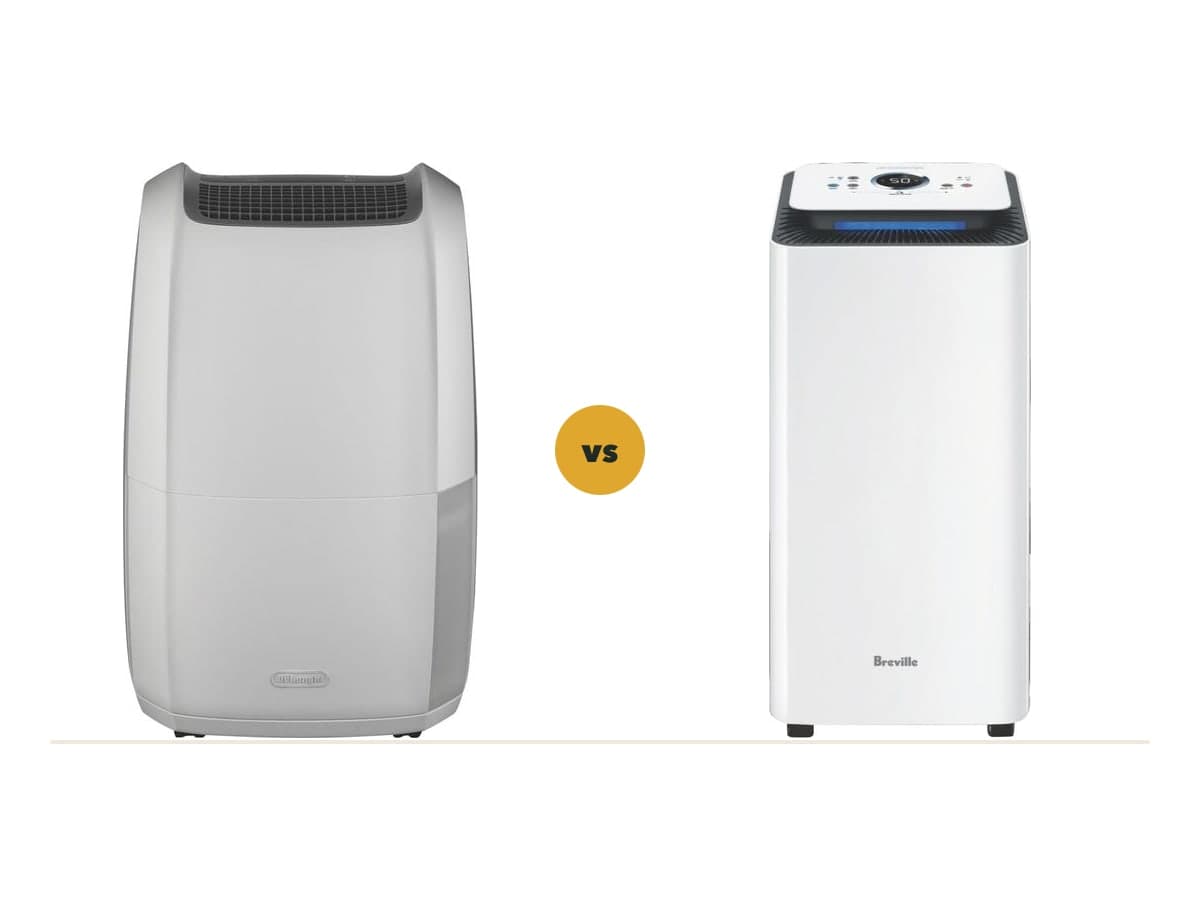
- De'Longhi vs Breville dehumidifiers: Breville's Smart Dry Plus holds humidity at a set percentage; De'Longhi's 21L extracts more per day.
Humidifiers and diffusers
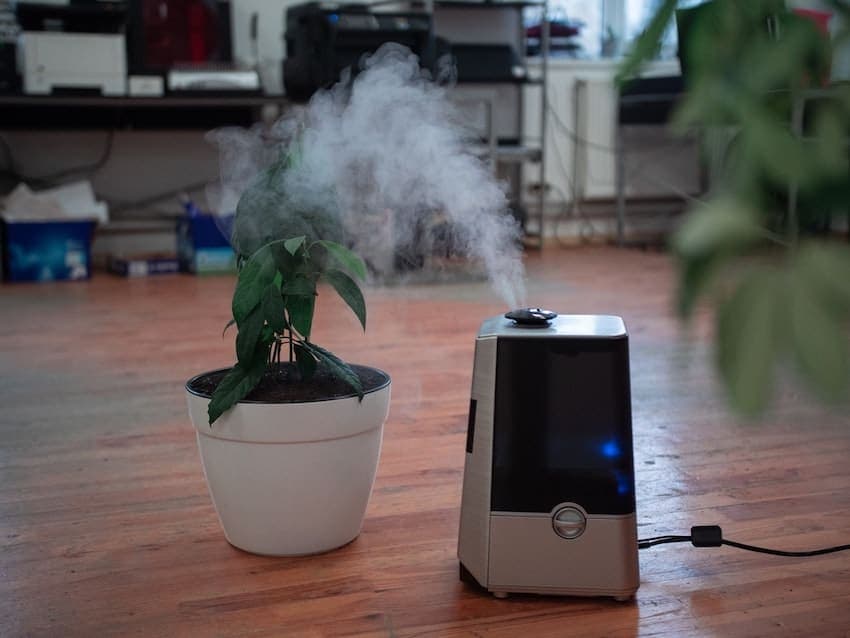
- The best humidifiers: Breville and Philips, for a room that is too dry rather than too damp.
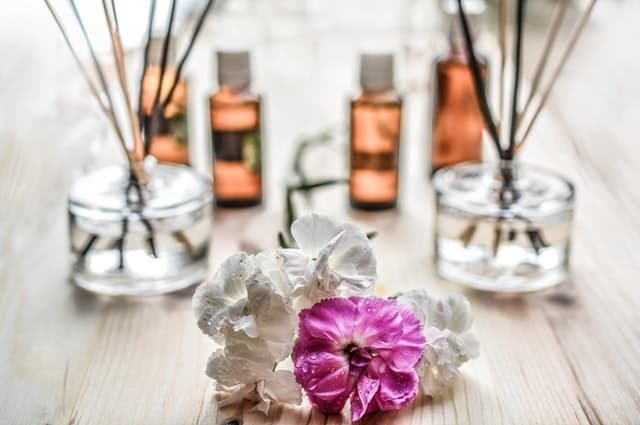
- The best essential oil diffusers: the small ultrasonic units, which humidify a little as a side effect.