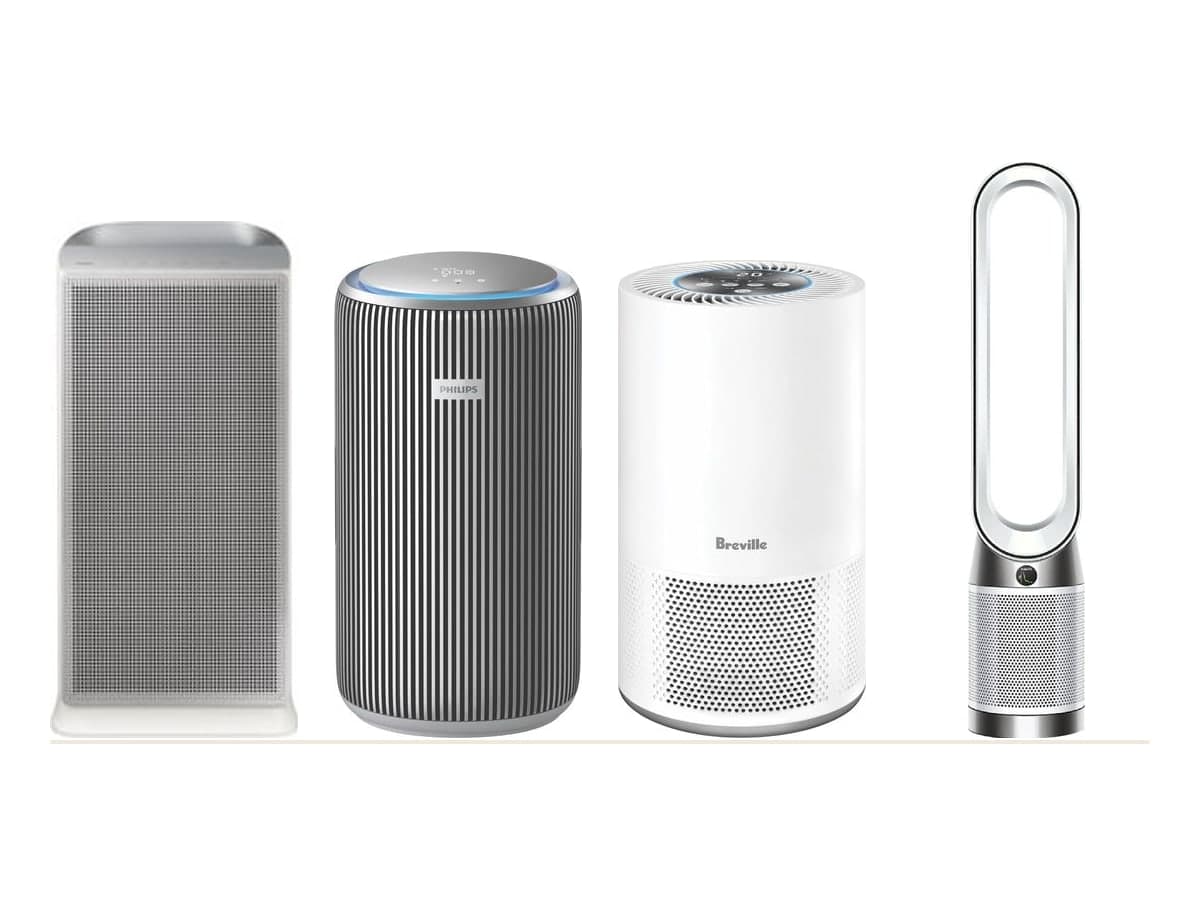
Samsung's Australian air purifier range has shrunk to a single machine. The AX5500 is the only purifier on Samsung's Australian site, it sells direct rather than through the electrical chains, and the wider line-up of AX40, AX60 and AX90 models that used to be here has gone.
If you came looking for a Samsung purifier specifically, the AX5500 is the answer and it is a capable machine. If you came looking for the best purifier you can buy in Australia, the choice is wider elsewhere, and the shelf at the chains is Dyson, Breville and Philips.
Samsung AX5500 Air Purifier
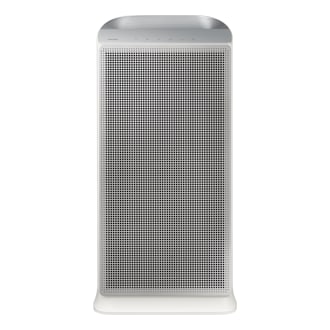
A three-way airflow purifier with a multi-layer HEPA-level filtration system, rated at 467 cubic metres an hour of clean air delivery and 50 decibels at maximum. SmartThings app control and Wi-Fi. Samsung rates it 4.8, from a small number of owners.
467 m³/h is a genuinely high clean air delivery rate, above most of what the chains stock. The catch is buying it: Samsung sells direct, so there is no price comparison between retailers and no chance of a chain's sale price.
What We Like:
- 467m³/h clean air delivery
- 50dBA at maximum
- SmartThings and Wi-Fi
What We Don't Like:
- Sold direct only, so no retailer competition
What else is on the shelf
Samsung aside, the purifiers actually stocked by the chains in Australia come from three brands, and they are compared properly elsewhere on the site.
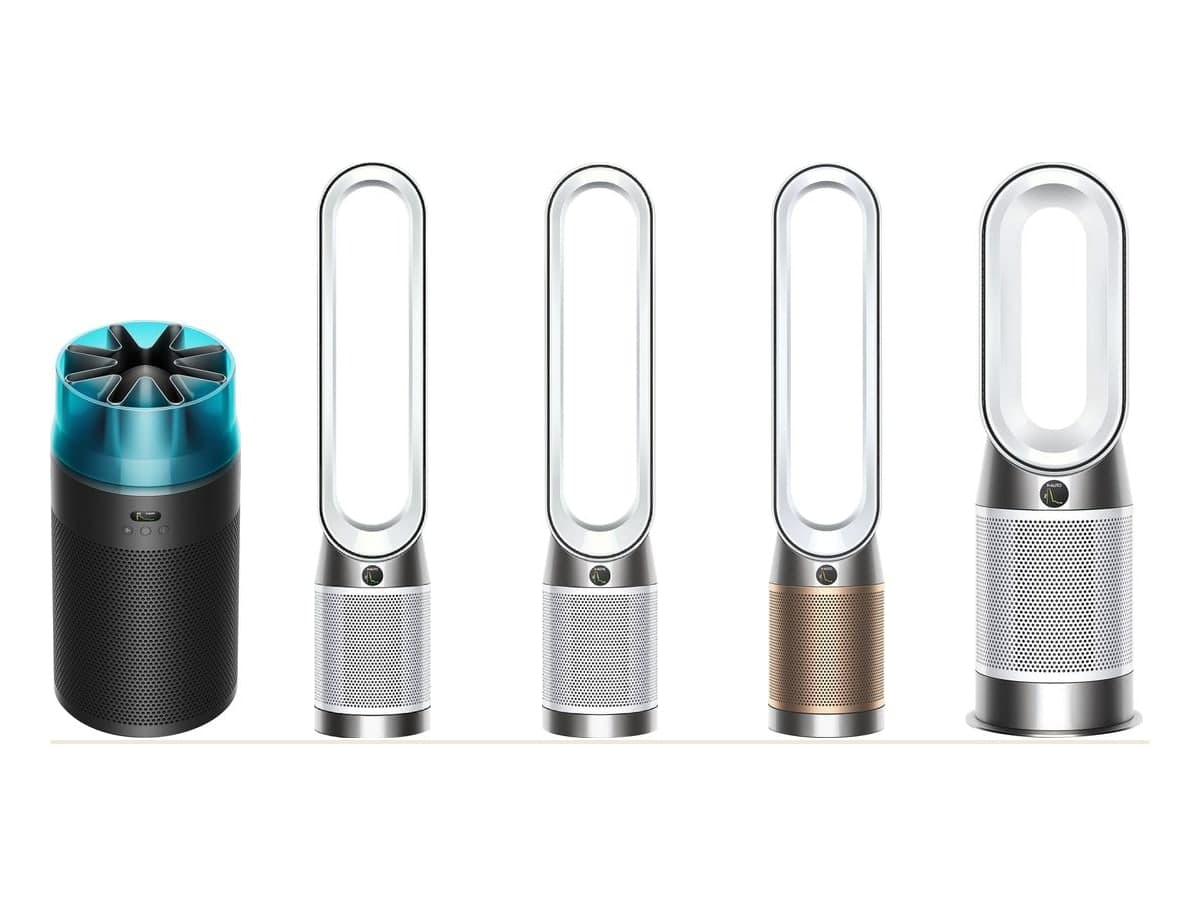
Dyson runs the widest range, nine models on one shelf, from the $549 HushJet to the $1,099 TP09 with its formaldehyde filter. The naming is impenetrable and is decoded in the Dyson purifier range explained.
Breville covers the middle, from the $189 Smart Air Viral Protect to the $499 Viral Protect Max, and makes the one machine that is both a purifier and a dehumidifier.
Philips sits alongside it with the 900i, 3200i and 4200i, from around $349 to $549.
What to check on any purifier
Clean air delivery rate, not room size. CADR in cubic metres an hour is the measured figure; the quoted room size is derived from it with assumptions about ceiling height and air changes. The AX5500's 467 m³/h is the number to compare against.
Whether the filter is sealed HEPA. A HEPA-grade filter element is not the same as a sealed HEPA path. Air that can route around the filter does not get cleaned.
Filter cost per year. This is the real cost of ownership. Most purifiers want a new filter every twelve months, and on some machines that is a third of the purchase price.
Noise at the speed you will actually run it. Maximum-fan figures like the AX5500's 50 decibels are worst case. A purifier in a bedroom spends most of its life on low, which every brand quotes differently.
FAQs
Does Samsung still make air purifiers?
Yes, and sells a broader range in other markets. The Australian range is down to the AX5500, which is why this page is shorter than it used to be.
Can I buy a Samsung purifier at an electrical retailer?
Not currently. The Good Guys stocks Dyson, Breville and Philips purifiers but no Samsung, so the link here goes to Samsung's own store and earns nothing.
Is a purifier worth it on smoke days?
A sealed HEPA purifier makes a measurable difference indoors with the windows shut, which is the strongest single argument for owning one in Australia.
Do purifiers help with hay fever?
They capture pollen that has already come inside. Keeping windows shut during high-pollen periods does more, and the purifier handles what gets past that.