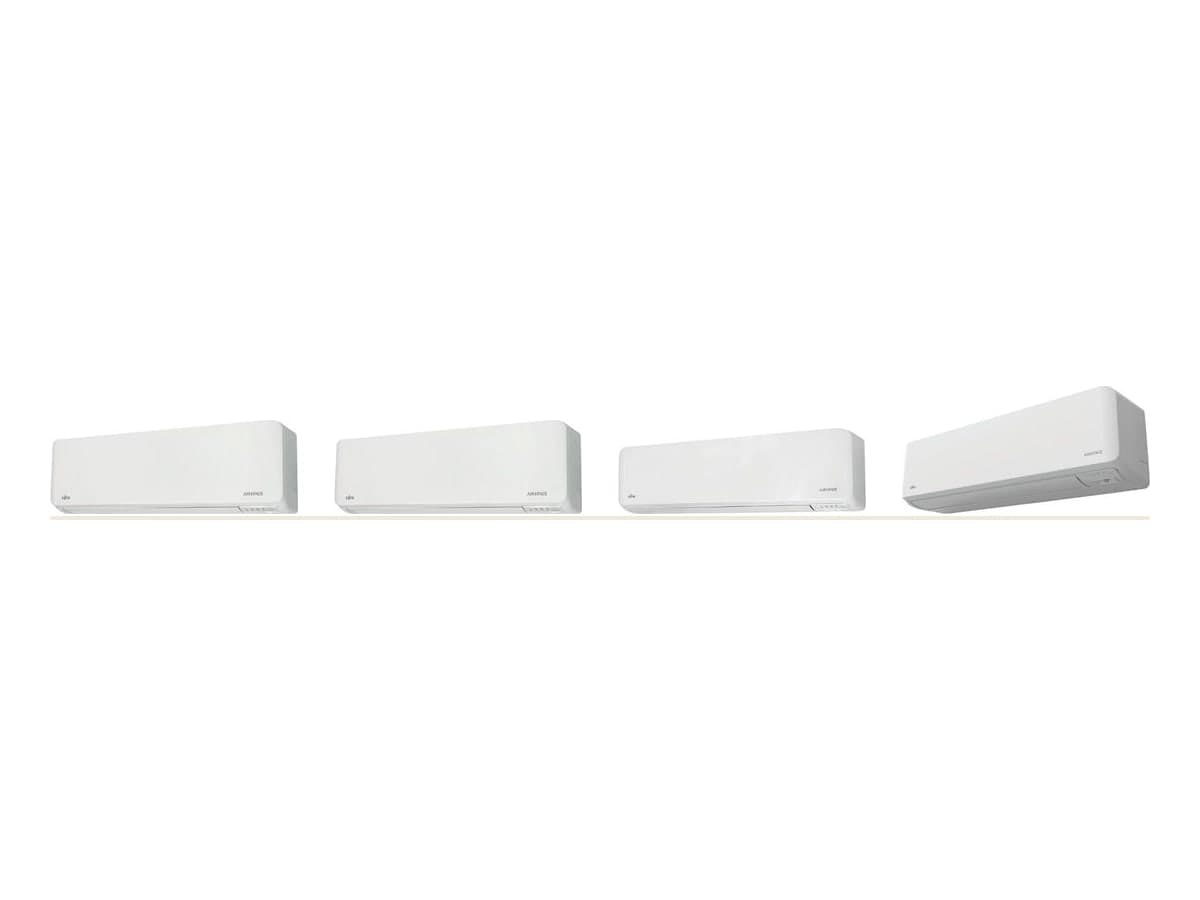
The short answer most installers use is about 150 watts of cooling per square metre of floor, so a 16 square metre bedroom wants roughly 2.5kW and a 35 square metre open-plan living area wants around 5kW. That rule holds for a normal ceiling height, average insulation and windows that are not a whole wall of west-facing glass.
Getting it wrong in either direction costs you. Undersized, it runs flat out on the hottest day and never gets there. Oversized, it cools fast and switches off before it has pulled any moisture out, which leaves the room cold and clammy and wears the compressor with short cycles.
2.5kW: bedrooms and small rooms
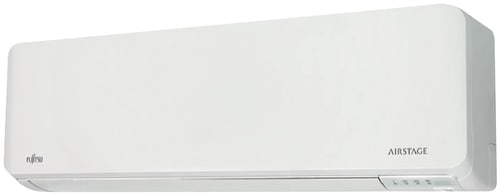
Fujitsu's 2.5kW cooling and 3.2kW heating unit covers a bedroom or small study up to about 20 square metres. 5 stars for cooling in an average climate, an inverter compressor, human sensor, Wi-Fi and a 24-hour timer. Indoor noise 40dBA, five-year warranty. Owners rate it 4.7 at The Good Guys.
Heating is rated 3 stars against 5 for cooling, which is the usual pattern and worth knowing if the main job is winter.
What We Like:
- 5 cooling stars
- 40dBA indoors
- Human sensor and Wi-Fi
What We Don't Like:
- 3 heating stars in an average climate
3.5kW: a small living room
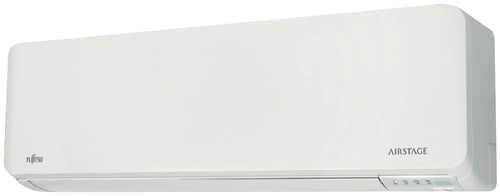
3.5kW cooling and 3.7kW heating suits a lounge room up to about 25 square metres, or a large bedroom. Same 834mm indoor unit as the 2.5kW, 770 cubic metres an hour of airflow, 42dBA indoors. Owners rate it 4.9 at The Good Guys.
Its heating output is only 0.2kW above the 2.5kW model, so in a cold climate the step up buys cooling more than warmth.
What We Like:
- Same indoor unit size as the 2.5kW
- 4.5 cooling stars
- 42dBA indoors
What We Don't Like:
- Heating barely above the 2.5kW
5.0kW: open plan
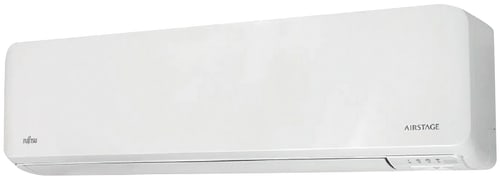
5kW cooling and 6kW heating handles an open-plan kitchen and living area up to about 35 square metres. The indoor unit grows to 980mm wide and 46dBA, and airflow rises to 1030 cubic metres an hour. Its rating comes from a small number of owners so far.
At this size the outdoor unit is 42kg, which affects where it can be mounted and what the bracket costs.
What We Like:
- 6kW of heating
- 1030m³/hr airflow
- 4.5 cooling stars
What We Don't Like:
- 46dBA indoors, and a 42kg outdoor unit
7.1kW: a whole floor
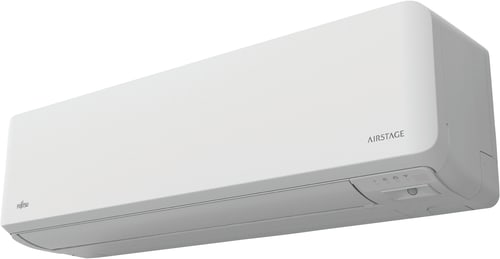
7.1kW cooling and 8kW heating is the largest single-head size commonly sold, for an open living area of 45 square metres and up. 569kWh a year for cooling and 1002kWh for heating in an average climate, 49dBA indoors and 66dBA outside. Owners rate it 4.9 at The Good Guys.
The star rating drops to 3.5 for cooling, which is typical at this output, and the outdoor unit is loud enough that a neighbour's bedroom window is a real consideration.
What We Like:
- 8kW of heating
- Covers 45m² and up
What We Don't Like:
- 66dBA outdoors, 3.5 cooling stars
Sizing at a glance
| Room | Floor area | Cooling capacity | Example |
|---|---|---|---|
| Bedroom, study | 10–20m² | 2.5kW | $1,000–1,100 |
| Large bedroom, small lounge | 20–30m² | 3.5kW | $1,300–1,400 |
| Open-plan living | 30–40m² | 5.0kW | $1,800–2,000 |
| Whole floor, large open plan | 45m²+ | 7.1kW | $2,000–2,200 |
Prices are from The Good Guys and exclude installation.
What changes the number
Ceiling height. The rule of thumb assumes about 2.4 metres. A raked or 3-metre ceiling adds volume the unit has to cool, and pushes most rooms up a size.
Which way the windows face. West-facing glass takes the full afternoon sun in an Australian summer and can add a kilowatt or more to what a room needs. North-facing glass is the winter equivalent working in your favour.
Insulation. An insulated ceiling changes the answer more than any feature on the unit. An uninsulated roof space above a bedroom can put the requirement up by a third.
Climate zone. The energy label now carries separate star ratings for hot, average and cold zones, which is a government scheme and the only like-for-like comparison available. The Fujitsu 2.5kW rates 5.5 stars for cooling in a hot climate and 5 in an average one, and 3 stars for heating in an average climate against 3.5 in a hot one. Read the zone that matches where you live rather than the headline number.
What the room is used for. A kitchen open to the living area adds heat from cooking. A home office with two monitors and a person in it all day adds a surprising amount too.
Who should size up, and who should not
Size up for west-facing glass, a raked ceiling, an uninsulated roof, or an open-plan space with no door between it and the rest of the house.
Stay at the calculated size for a normal bedroom. An oversized unit in a small room short-cycles: it hits the set temperature quickly, switches off before removing much humidity, and starts again minutes later.
FAQs
Can one split system cool a whole house?
Only where the air can move. A 7.1kW unit in an open-plan living area will not cool bedrooms behind closed doors. Multi-head systems or ducted are the answer there.
Is heating capacity the same as cooling capacity?
No, and the difference matters in a cold climate. Every unit here is rated higher for heating than cooling in kilowatts, but the star ratings for heating are consistently lower, because a heat pump has to work harder as the outside air gets colder.
Does a bigger unit cost more to run?
Not necessarily. An inverter compressor varies its output, so a slightly larger unit can run at part load and use less power than a smaller one running flat out. The waste comes from being much too big for the room.
Do I need an electrician as well as an installer?
Usually the installer is licensed for both, but a new dedicated circuit is common on larger units. Worth asking before accepting a quote that looks cheap.