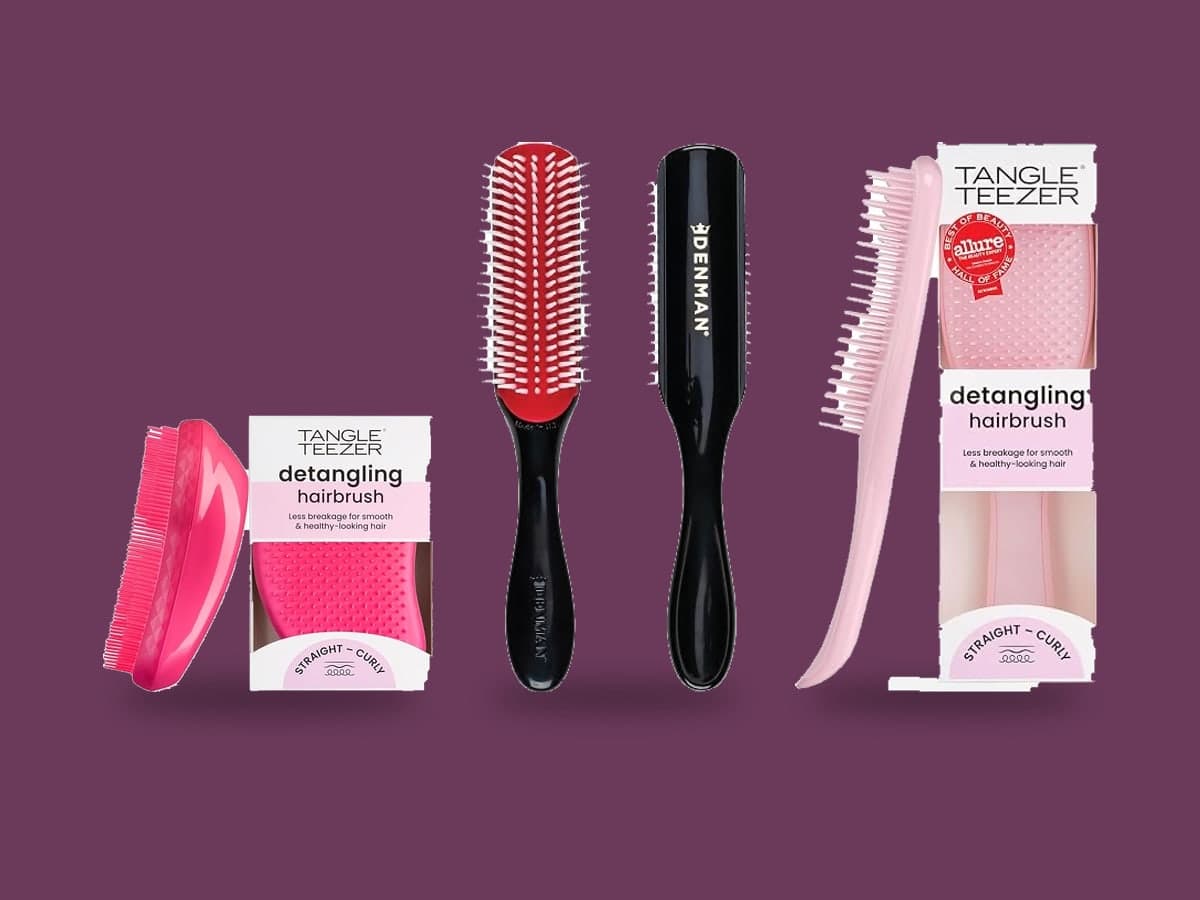
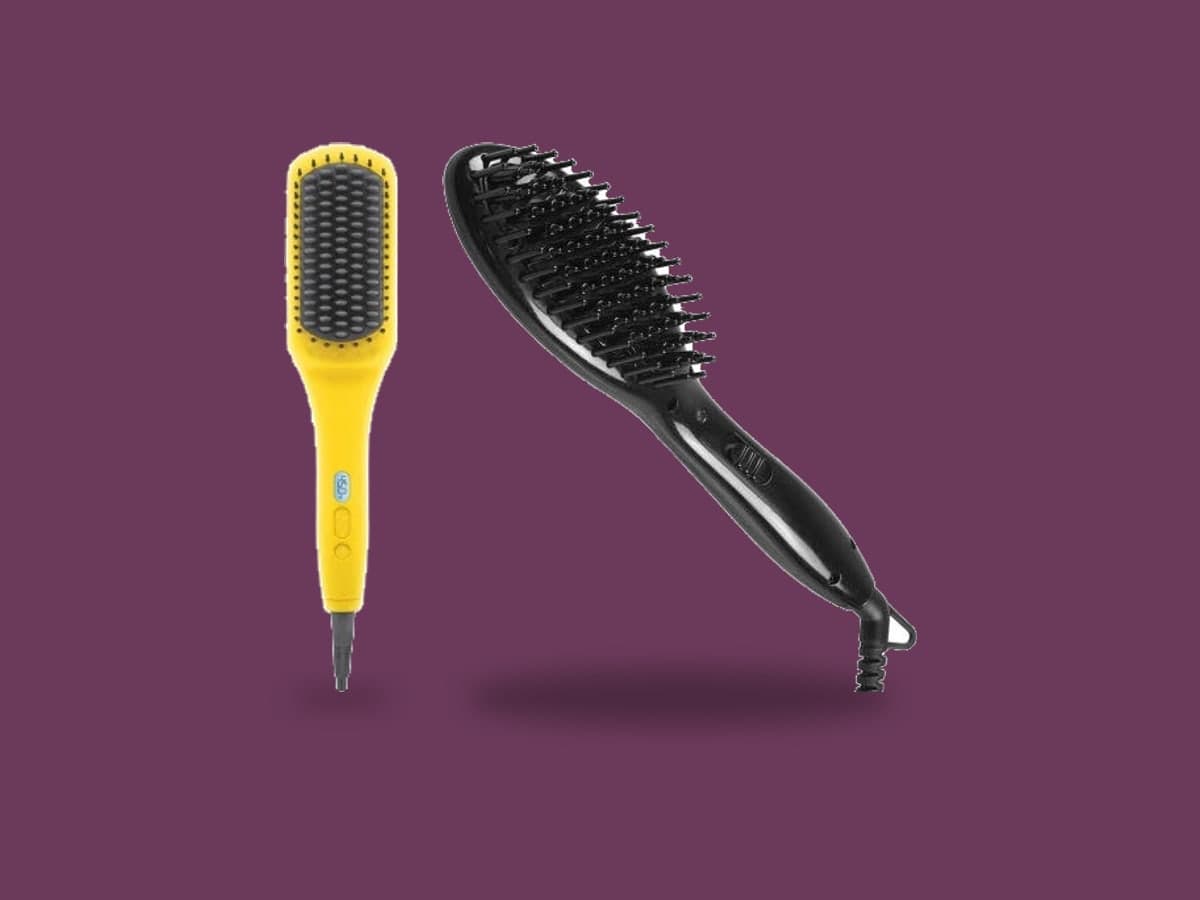
Hair tools are bought once and used most mornings for years, which makes the differences between them worth more attention than the marketing gives them. These pages work through the ones that change the result: temperature control, plate width, and whether a hot surface touches the hair at all.
Specifications come from each brand's Australian product pages and from the retailer each product links to.
Start with the type question
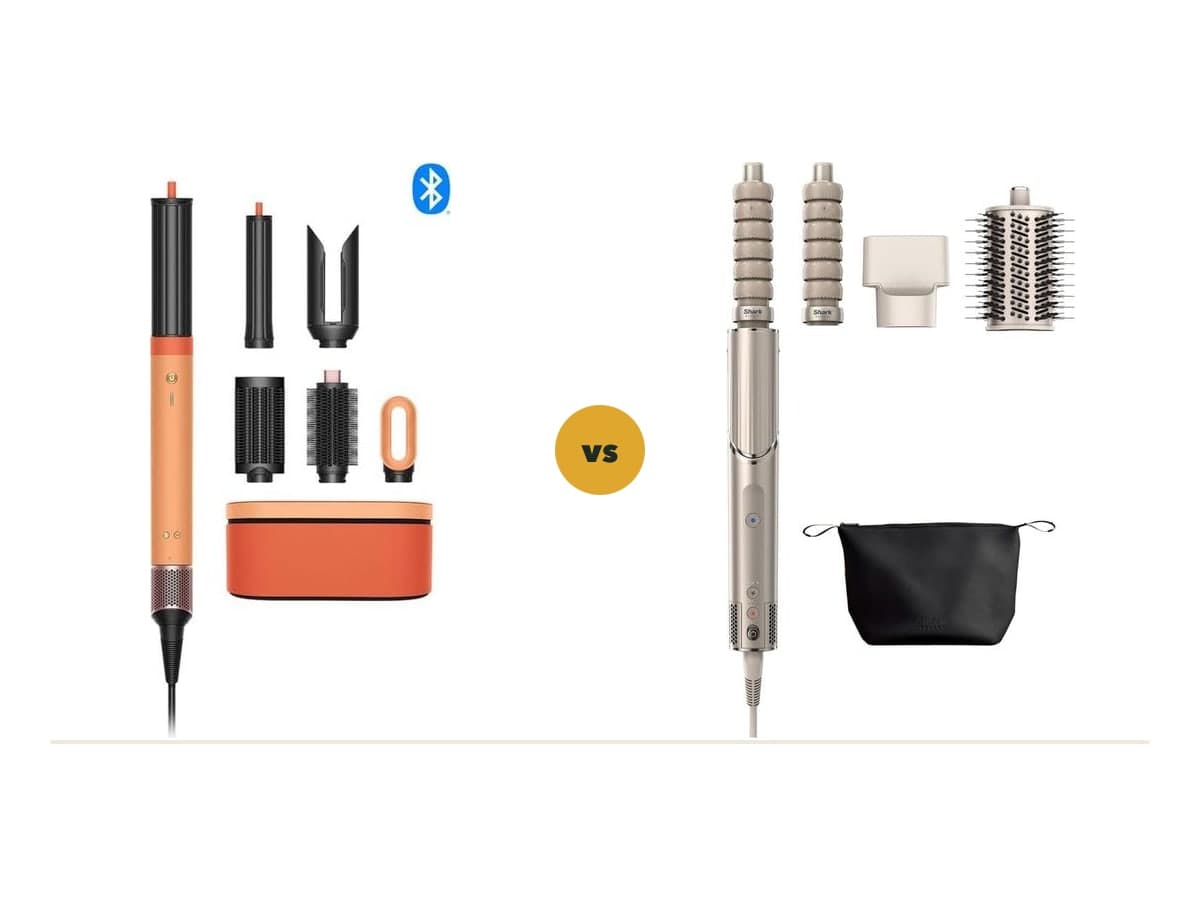
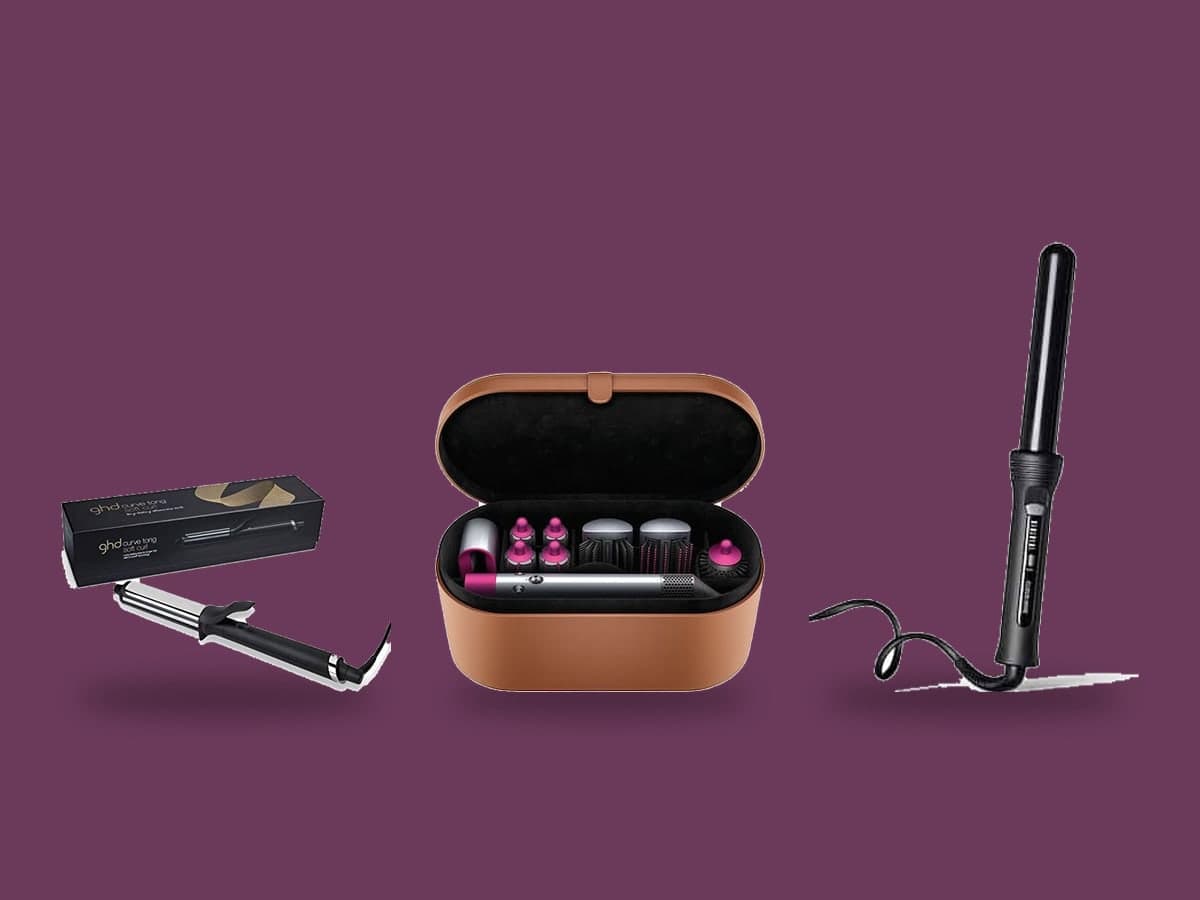
- Dyson Airwrap vs Shark FlexStyle: the same curl-without-a-tong trick at three times the price.
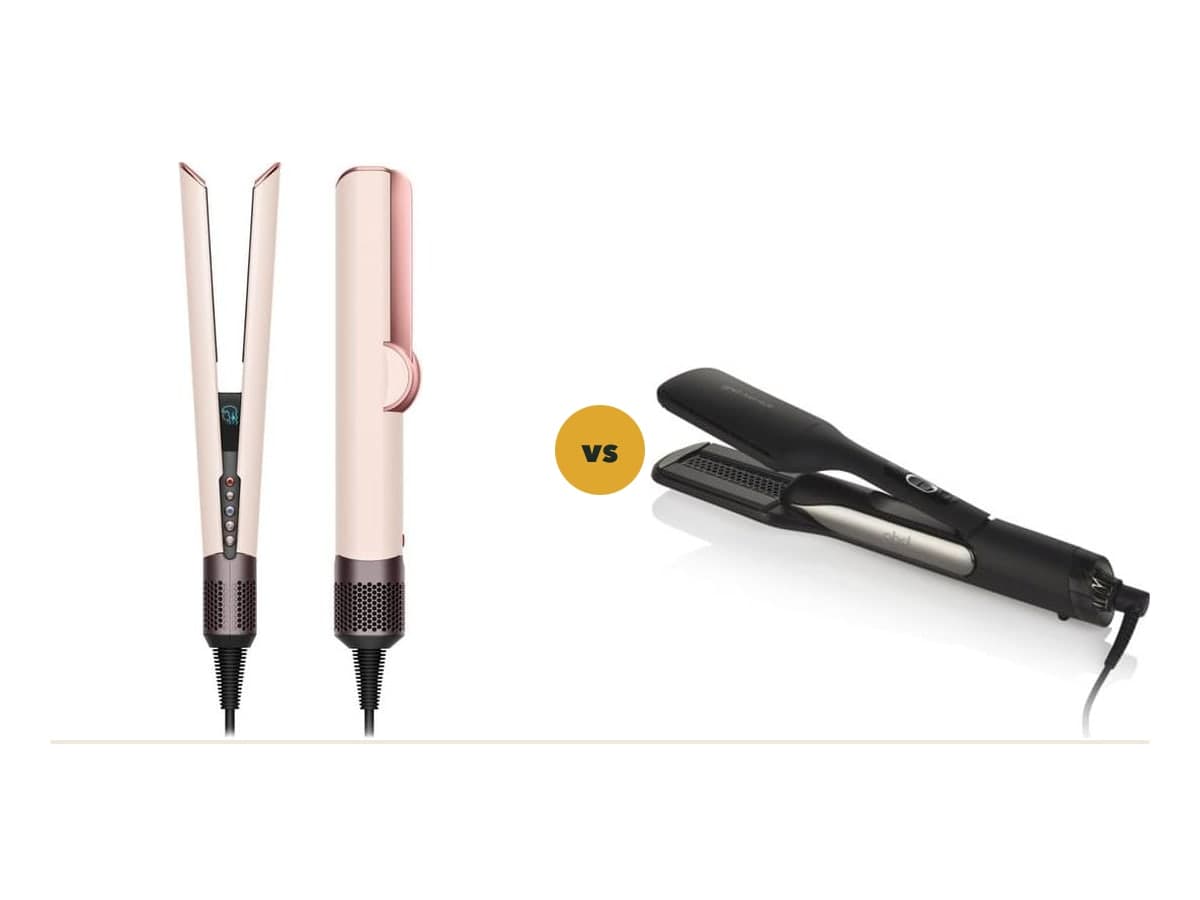
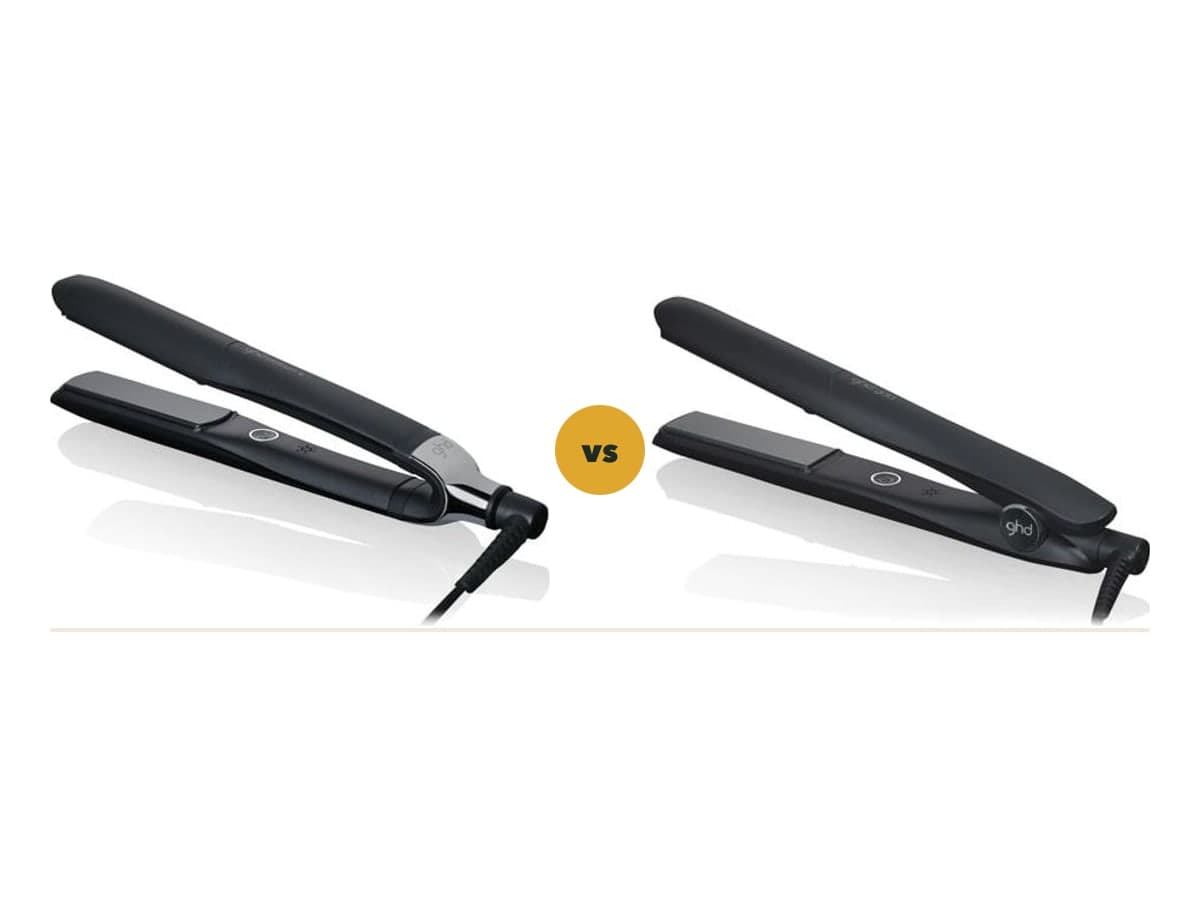
- Dyson Airstrait vs ghd Duet Style: straightening from wet, with and without plates.
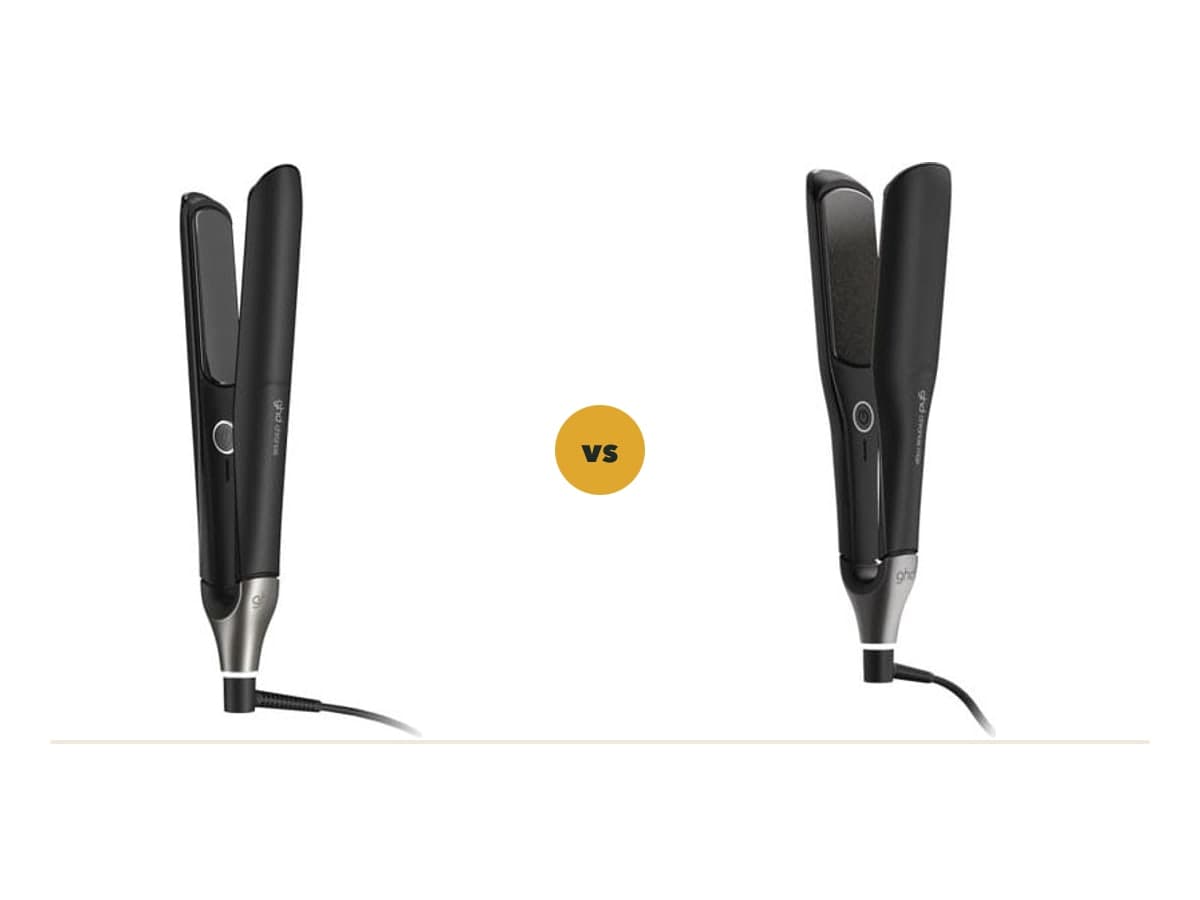
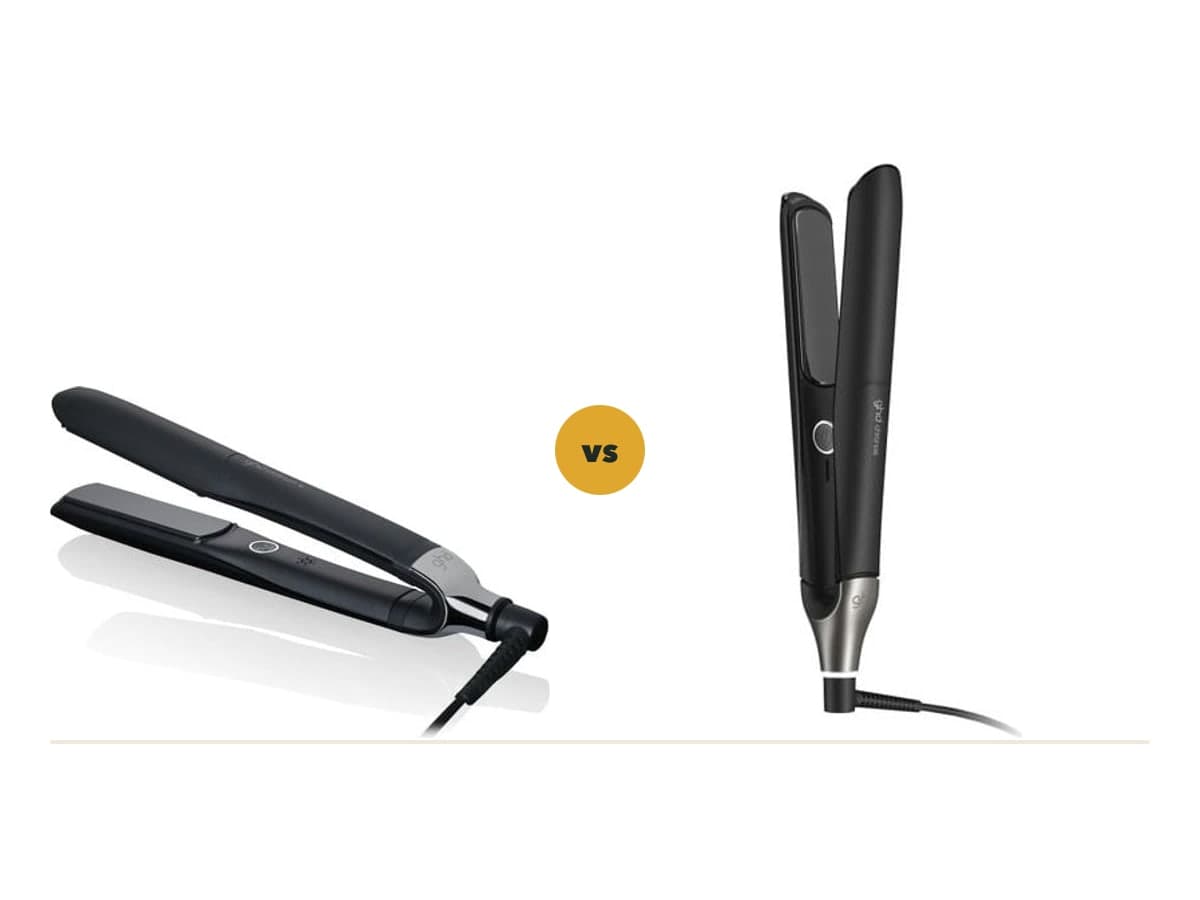
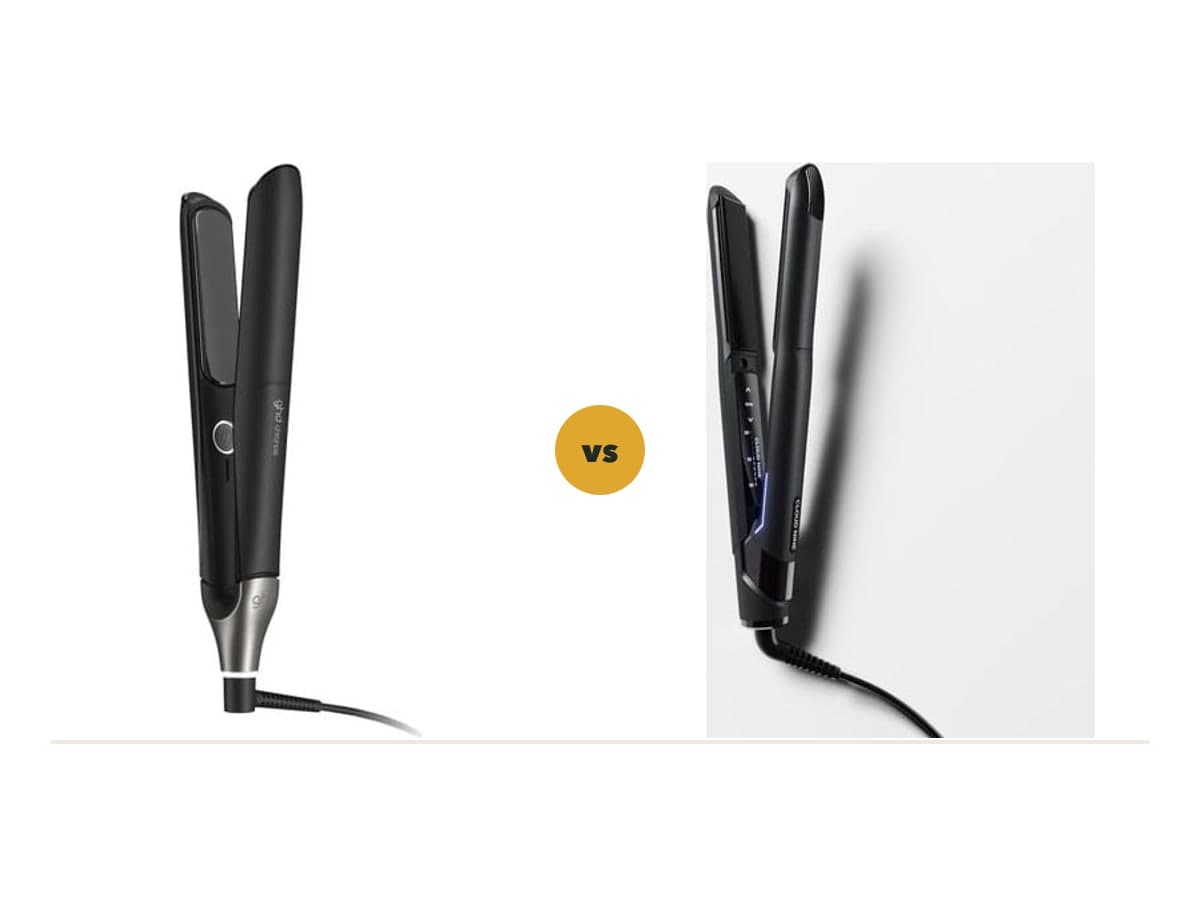
- ghd vs Cloud Nine straighteners: fixed 185°C against a dial.
Straighteners
Dryers
Four things worth knowing before you shop
Plate width decides how long styling takes. A 43mm plate takes roughly two-thirds more hair per pass than a 26mm one, so on long hair it is the difference between twenty minutes and twelve. It also cannot curl and cannot get near a fringe, which is why the narrow plate is still the bigger seller.
Fixed temperature is a position, not a limitation. ghd holds every styler at 185°C and offers no control, on the argument that it is hot enough to reshape hair and cool enough not to damage it. Cloud Nine gives you a dial instead. Neither is wrong; they suit different hair and different levels of interest in fiddling.
Air styling is genuinely gentler. An air styler shapes hair with a fast jet of air rather than a hot surface pressed against it, so it works well below the temperature a straightener or tong needs. That is physics rather than marketing, and it is the reason these tools exist.
Warranty varies inside a brand, not just between them. ghd covers the Platinum+ and Chronos for three years and the Gold and wide-plate models for two. Cloud Nine covers every iron for three. Check the model rather than the badge.
A note on the links
ghd and Cloud Nine are affiliate partners of this site, so those links may earn a commission. Dyson runs no program on any network this site belongs to, so Dyson links go to Dyson's own store and earn nothing. Shark is linked through Amazon. Products are picked on merit first and the link follows, not the other way around.