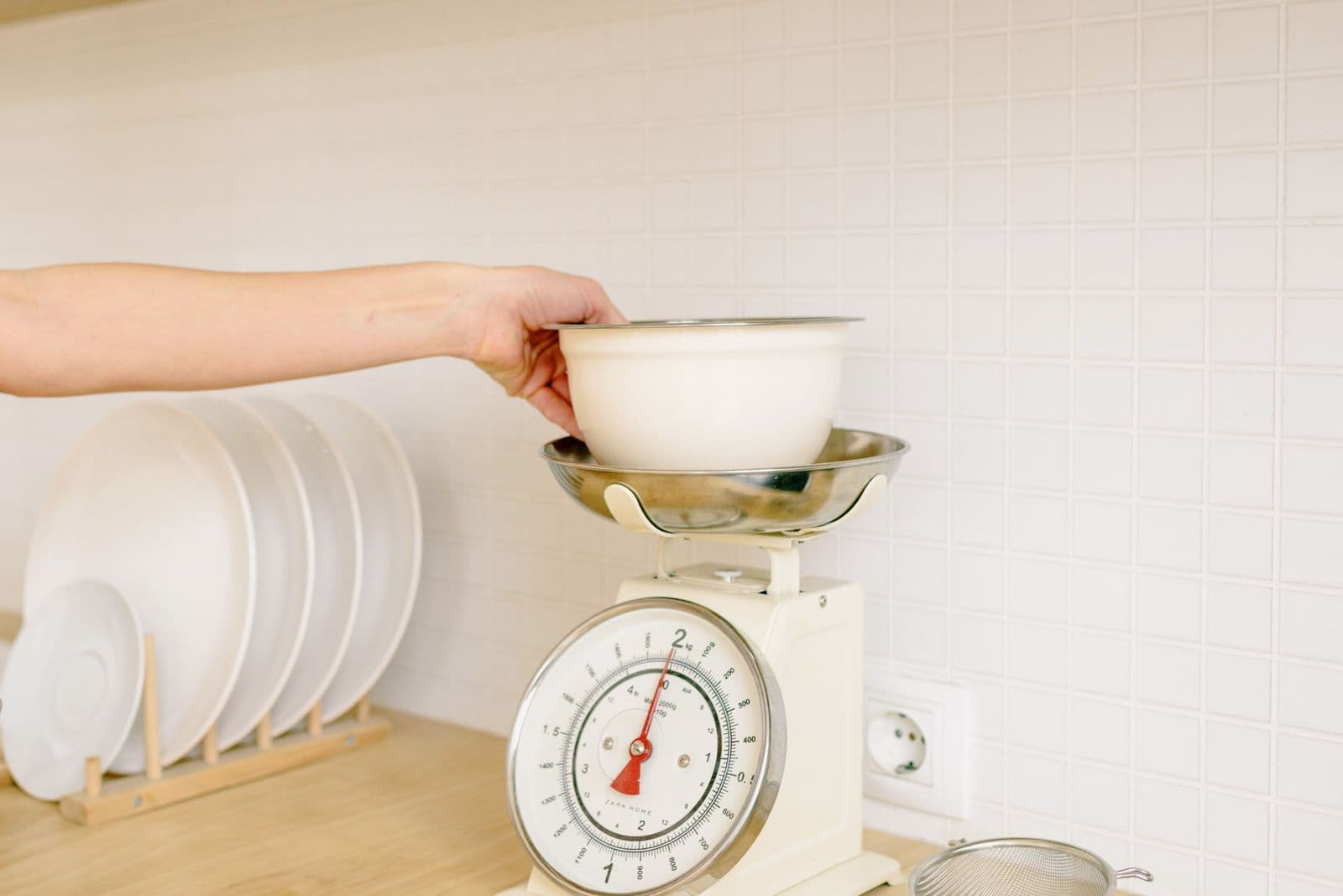
Cups measure volume; recipes fail by weight. A $20 digital scale ends the flour-scoop lottery, and sourdough, coffee and meal-prep habits all arrive at the same conclusion. The three below cover the tiers on owner evidence.
1. Best Overall: Amazon Basics Digital
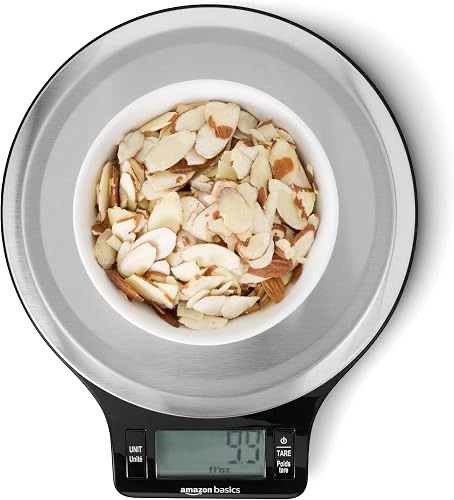
The Basics scale is the utilitarian winner: gram-accurate to 5kg, a screen you can read under a mixing bowl, and 1,165 ratings averaging 4.6. Batteries in the box, tare button where thumbs expect it.
At around $18 it's the answer for almost everyone. It measures in whole grams, which bakers accept and coffee obsessives outgrow.
What We Like:
- Gram-accurate to 5kg
- Readable under bowls
- Around $18
What We Don't Like:
- Whole-gram steps
2. Best Precision: Diyife Dual Platform
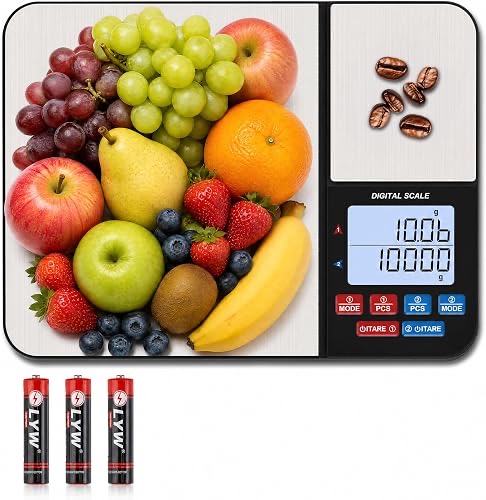
The Diyife runs two platforms: a 10kg main deck and a 0.01g precision pad for yeast, salt, espresso and anything else where a gram is a range not a number. Its 846 owners average 4.3 stars.
Around $26, and the small pad's precision drifts near draughts and phone chargers, which is decimal-scale physics everywhere.
What We Like:
- 0.01g precision pad
- 10kg main deck
- Espresso-and-yeast ready
What We Don't Like:
- Draught-sensitive decimals
3. Best Brand: Salter Glass 10kg
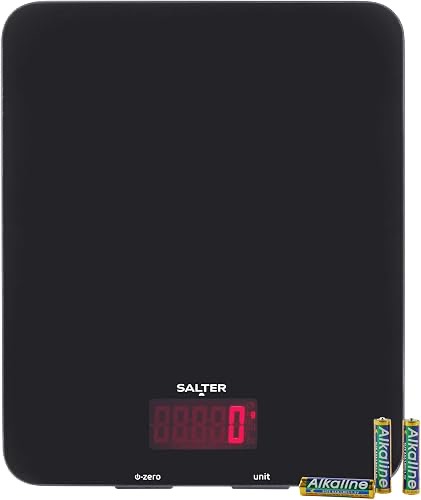
Salter has weighed British and Australian kitchens for a century, and its 10kg glass platform carries 970 ratings at 4.4: a wipe-clean surface that takes the big stockpot, aquatronic milk-volume modes, and the build that explains the name recognition.
At around $100 it's the gift-grade option, doing what the $18 pick does with considerably more presence.
What We Like:
- Wipe-clean glass deck
- Takes big stockpots
- Century-old name
What We Don't Like:
- Presence-grade price
How to pick kitchen scales
Capacity and precision pull opposite ways. A 10kg limit with 1g steps suits cooking; 0.01g precision tops out around 500g. The dual-platform designs exist because no single sensor does both.
Tare is the workflow. Bowl on, zero, ingredient in, zero, next ingredient: one-bowl baking is the entire digital-scale pitch, and a responsive tare button is what separates pleasant from infuriating.
Flat batteries end more scales than faults do. Auto-off settings and common battery types, AAA over coin cells where possible, decide whether the scale works the night the cake matters.
RELATED: The Best Bread Makers and The Best Vacuum Sealers
FAQs
Why do my scales show different weights on repeat?
Uneven benches and overloaded corners, usually. A hard flat surface and centred loads bring back consistency; carpet and cutting boards are the classic culprits.
Grams or millilitres for liquids?
Water-based liquids read the same either way, one ml weighing one gram. Oils and syrups differ slightly, which only baking-precision recipes care about.