Indoor antennas are the most location-dependent product we cover. The same $30 antenna gets five stars in a house near a transmitter and one star behind a hill, which is why no antenna holds the ratings a kettle can. The honest approach is to check your signal first, then spend as little as gets the job done. Both steps are below.
Check your signal before buying anything
The federal government runs a free tool called mySwitch at myswitch.digitalready.gov.au that shows predicted TV signal strength for any Australian address, along with which transmitter serves it and which direction it's in. Two minutes there tells you whether an indoor antenna is likely to work at your place at all. Strong signal means almost any antenna below will do. Marginal signal means an amplified one might. Poor signal means no indoor antenna will fix it, and the money belongs in an outdoor aerial or an antenna installer's visit instead.
1. Best Amplified: DAANT Indoor Antenna
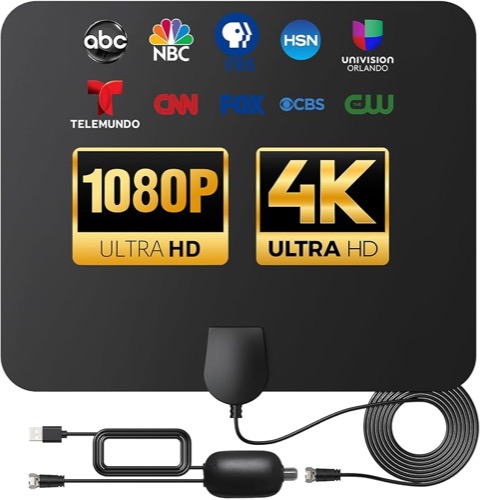
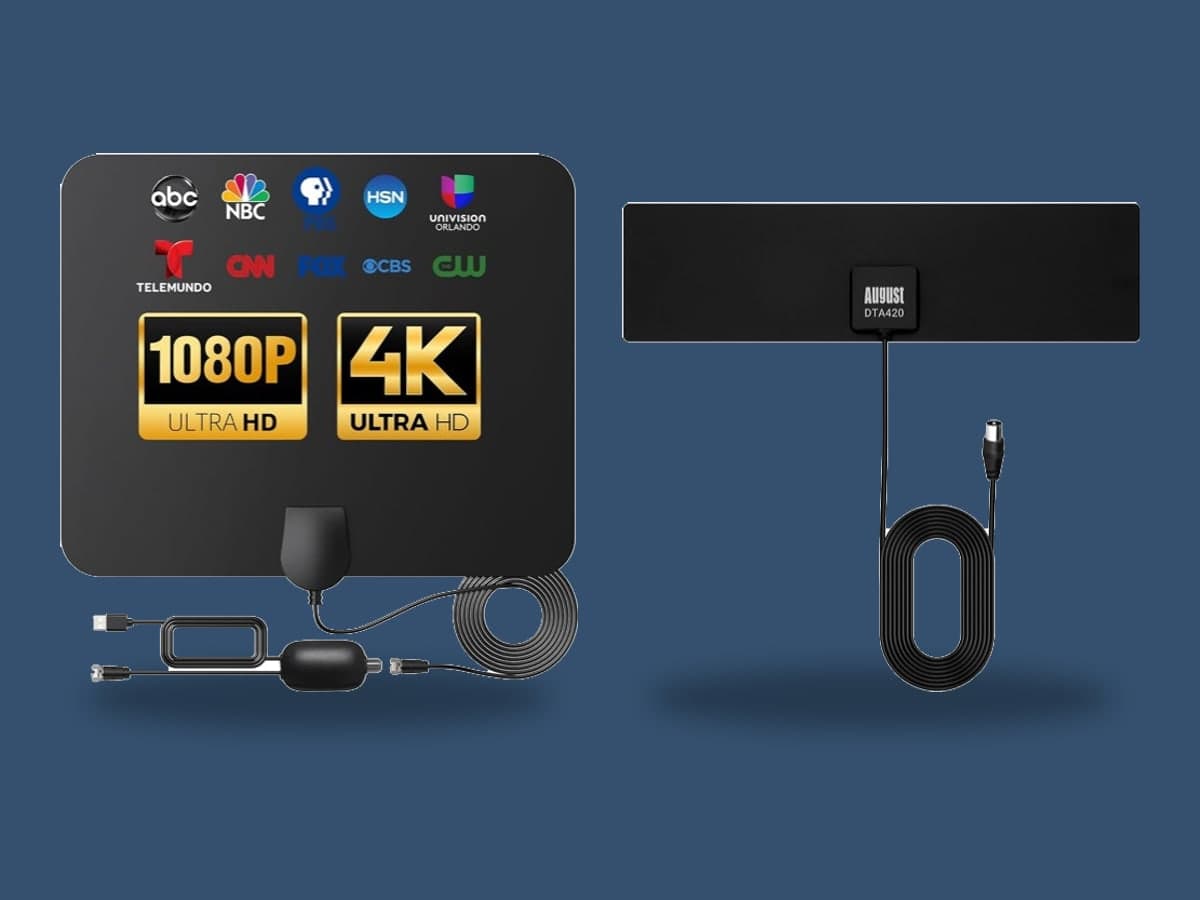
Among the amplified flat antennas, this one has the most owner reviews behind it: 4 stars across close to 4,000 reviews, which is as good as antennas get. It's a thin panel with a signal booster inline and around 5 metres of cable, enough to reach a window, which is where every indoor antenna works best.
It costs around $30. Ignore the range claims printed on antenna boxes across this whole category; reception depends on your address, not the marketing. In a decent signal area, owners report it pulls all the free-to-air multichannels cleanly.
What We Like:
- Inline signal booster
- Long cable reaches the window
- Flat and easy to hide
What We Don't Like:
- Like all indoor antennas, useless in weak-signal areas
2. Best Cheap and Flat: August DTA420
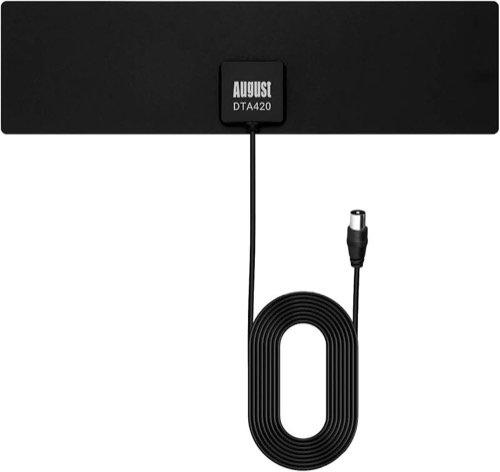
The DTA420 is an unamplified flat aerial at around $28, and it exists for one situation: good signal areas where the TV just needs something plugged in. A thousand-plus owners have reviewed it, and the split is exactly what antennas produce, working perfectly for people near transmitters and not at all for people who aren't.
With no booster there's nothing to power and nothing to add noise, which in strong-signal spots is actually an advantage. Check mySwitch first; if your address shows strong signal, this is all the antenna many households need.
What We Like:
- Around $28
- Nothing to power
- Sticks flat to a window
What We Don't Like:
- No amplifier to lean on in marginal areas
How to get the best from an indoor antenna
The window is the antenna's best friend. Signal drops sharply through brick and foil insulation, so a panel on the window facing the transmitter beats a stronger antenna behind the TV. mySwitch shows the transmitter direction for your address.
Rescan after every move. Repositioning the antenna does nothing until the TV rescans channels, and half of one-star antenna reviews describe skipping this step.
Amplifiers help marginal signal, not dead signal. A booster lifts a weak-but-present signal over the line; it can't create one, and in very strong areas it can even overload the tuner, which is why the unamplified August exists.
Know when to stop. If two antennas and a window haven't worked, the address needs an outdoor aerial. Renters can ask about a shared antenna point, which many buildings already have live.
RELATED: The Best TV Wall Mount Brackets and The Best 65-inch TVs
FAQs
Why do all indoor antennas have mixed reviews?
Because buyers in strong-signal areas and weak-signal areas are reviewing different experiences of the same product. Location decides the outcome, which is why checking mySwitch beats reading another review.
Do the "long range" claims on antenna boxes mean anything?
No. Numbers like hundreds of kilometres describe ideal open terrain that Australian suburbs don't offer. Treat every range figure as decoration.