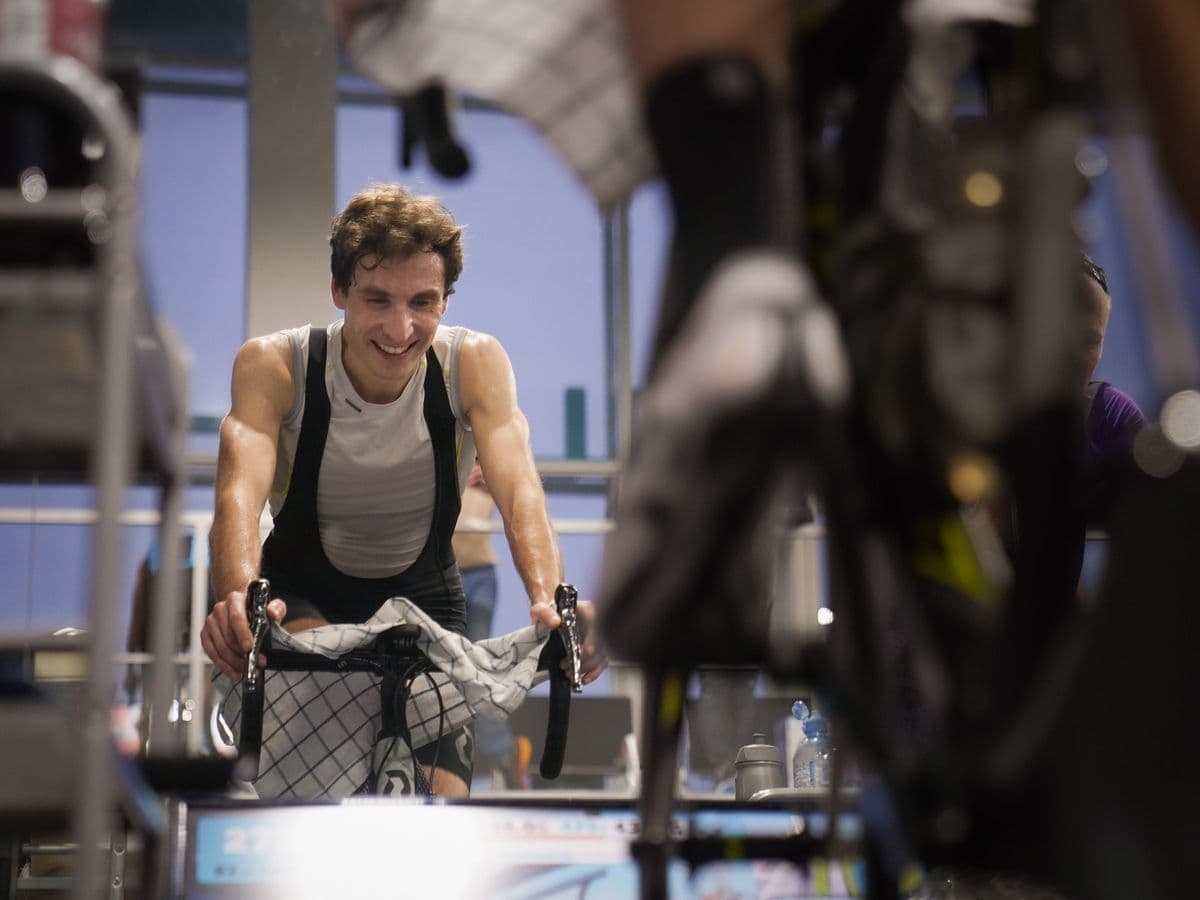
Exercise bikes have drifted into distinct types, and buying the wrong type is the regret that shows up most in owner reviews. This guide runs from a folding frame around $300 up to a commercial-grade air bike, and the buyer's guide further down explains which type holds up under the training you have in mind.
1. Best Spin Bike: JOROTO X2
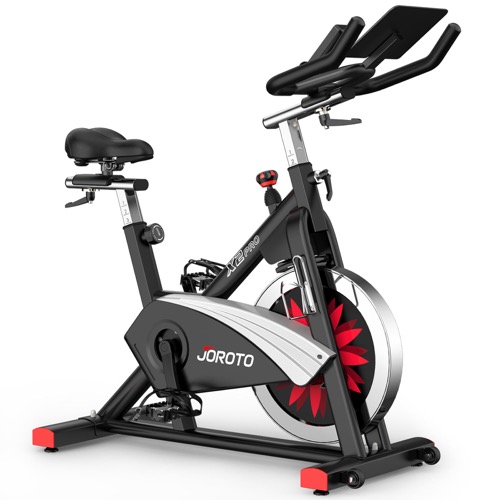
The X2 pairs an 18kg flywheel with a belt drive and magnetic resistance, which is the combination that makes a spin bike smooth, near silent and free of brake pads to wear out. It holds a 4.5-star average across more than 6,000 reviews, the frame is rated to 160kg, and it sits around $420, which is unusually low for this spec.
The console is a simple readout, and the step-up X2PRO adds Bluetooth with app connectivity for about $190 more. Riders who want a hard cycling workout at home are the audience; there's no subscription attached to either model.
What We Like:
- Belt drive with magnetic resistance
- No app or subscription
- 160kg frame rating
What We Don't Like:
- Third-party delivery coverage varies by postcode
2. Best Upright Bike: York C415
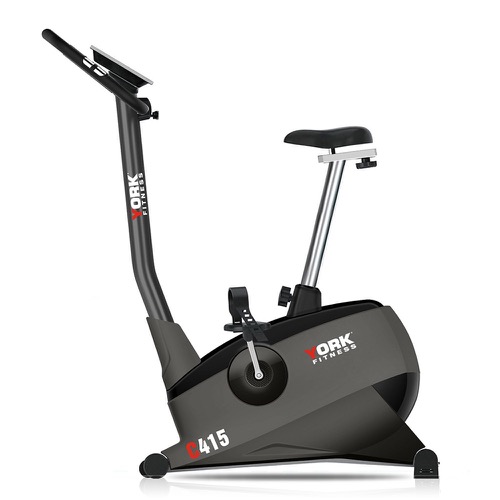
The C415 replaced the C410 we used to recommend, and it's the upright for people who want a more comfortable seat than a spin bike and a wide spread of workouts. It has 32 electronic resistance levels, a 10kg flywheel, a step-through frame that's easy on hips and knees, and a large padded seat that owners single out for comfort. The frame is rated to 140kg.
The recurring complaint in owner reviews is the electronics, with some consoles developing faults after a couple of years. Riders chasing sprint efforts will be better served by the spin bike above; this one is built for steady, comfortable sessions.
What We Like:
- 32 resistance levels
- Easy step-through frame
- Comfortable seat
What We Don't Like:
- Console faults reported by some owners
3. Best Air Bike: Schwinn Airdyne AD8
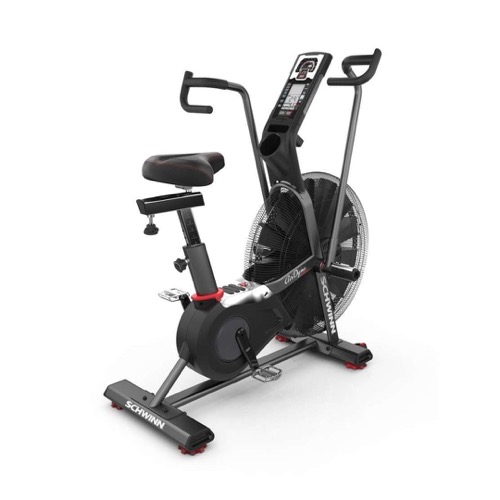
The Airdyne AD8 is an air bike, so the harder you push, the harder it pushes back, arms and legs together. That makes it the pick for interval training and full-body conditioning rather than seated cardio. Schwinn's single-stage belt drive runs quieter than chain-driven air bikes, the frame is rated to 160kg, and the console reads watts, which is the number interval programs are written around.
It sits around $1,800 at specialist fitness stores, which is normal for a commercial-grade air bike. Air resistance is noisy by nature, so it's a poor fit for apartments with thin walls.
What We Like:
- Resistance scales with effort
- Watts on the console
- 160kg user rating
What We Don't Like:
- Only one year of parts warranty
4. Best Folding Bike: XTERRA FB150
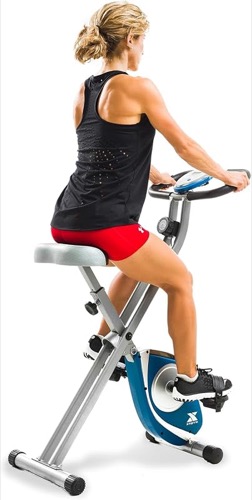
The FB150 folds down for storage and holds a 4.5-star average across more than 19,000 reviews. It has 8 magnetic resistance levels and a simple LCD, it runs quietly enough for an apartment, and at around $300 it's the cheapest bike here. Amazon ships it directly in Australia.
Owner reviews are happy with it at its actual job, which is gentle cardio and keeping legs moving in front of the TV. The user rating is 100kg and the top resistance level is light, so it suits recovery riding and easy sessions rather than training.
What We Like:
- Folds for storage
- Sold and shipped by Amazon AU
- Quiet magnetic resistance
What We Don't Like:
- 100kg limit, light top resistance
Other bikes worth a look
- Proflex Magnetic Recumbent — a budget recumbent with 8 magnetic resistance levels, heart-rate grips and a low seated position that's easy to get into. Around $300. See it at MyTopia.
- Assault AirBike — the air bike most commercial gyms run, and just as durable at home. Sold at specialist fitness stores.
- Concept2 BikeErg — the bike version of Concept2's rowing machine, with the same flywheel and build quality. Around $1,900, and owners rate it as highly as the rower.
- Technogym Bike — the gym-grade end of screen bikes, with live and on-demand classes on a 22-inch display and the build quality Technogym supplies to commercial gyms. Around $10,000, so it's for a very different budget to everything above. See it at Technogym.
- Screen bikes generally — if streamed classes are what will keep you riding, this style of bike bundles hardware with a subscription, and the monthly fee is part of the real price.
How to pick an exercise bike
Match the type to the workout. Spin bikes hold up under hard, out-of-the-saddle efforts. Uprights trade some intensity for comfort. Air bikes are for intervals and whole-body work. Folding bikes are for space-saving and gentle use. Buying the wrong type is the most common regret in owner reviews, ahead of any brand complaint.
Resistance type sets the noise. Magnetic resistance is near silent, friction pads hum, and air resistance is loud. If the bike will live near a bedroom or under a neighbour's floor, magnetic is the safe choice.
Check the weight rating and the seat range. Frames in this list are rated between 100kg and 160kg, and seat height ranges differ more than you'd expect. Both numbers are in every listing, and both generate returns when ignored.
Flywheel weight matters on spin bikes. Heavier flywheels smooth out the pedal stroke. Around 20kg is where a home spin bike starts feeling like a studio bike.
RELATED: The Best Rowing Machines in Australia and The Best Treadmills
FAQs
Which exercise bike is best for bad knees?
A recumbent's low seated position is the gentlest way in, and an upright with a step-through frame like the York C415 is the next easiest. Whichever type, magnetic resistance lets you start very light, and getting the seat height set properly matters most, since most knee pain on bikes traces back to that.
How much do I need to spend?
A usable folding bike costs a few hundred dollars. A spin or upright bike that will survive daily use sits around $800 to $1,300. Air bikes are commercial-grade equipment and priced accordingly.