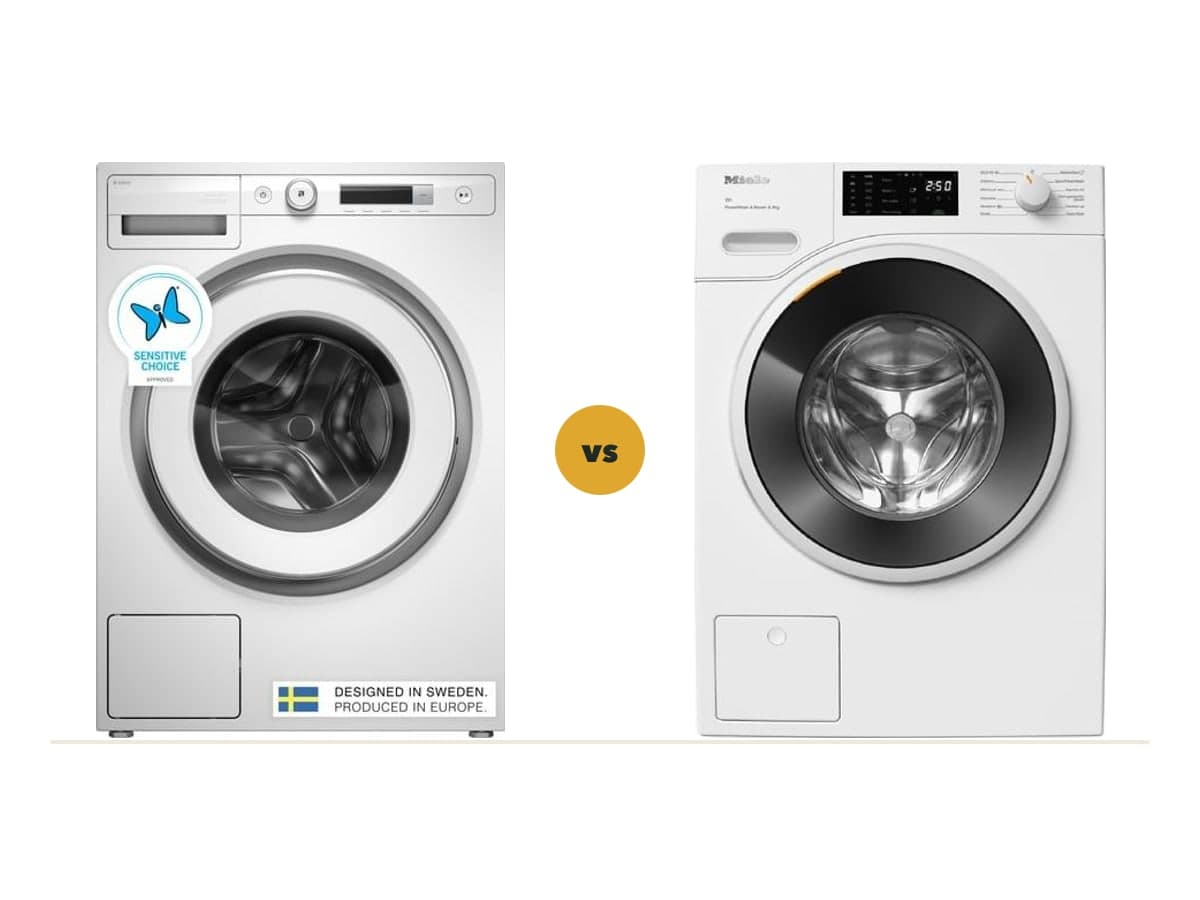
Asko is the machine to beat on the numbers: a 1600rpm spin, five water stars and 54 litres on its rated cycle, which is less water than any mainstream front loader sold here, for around $1,890 at The Good Guys. Miele adds steam, twenty-four-hour delay, app control and a nine-star energy rating on a 9kg drum for around $2,250, but is bought from Miele rather than a retailer.
Both are premium European front loaders, both cold-fill, both carry a two-year Australian warranty, and neither has owner reviews at the big retailers. The choice comes down to specification and how you want to buy.
Asko Logic 8kg
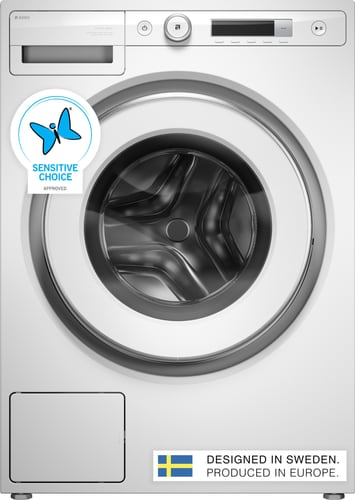
Eight kilos, a 1600rpm spin (the fastest in this comparison), five water stars, five energy stars, 202kWh a year and 54 litres on the rated cycle. Twenty programs including outerwear, wool hand wash and a time-controlled program. App control through Asko's ConnectLife.
It is the heaviest machine here at 90kg, which matters if it is going up stairs, and it is 8kg rather than 9kg, so a king doona is marginal.
What We Like:
- 54 litres a wash, five water stars
- 1600rpm spin
- Twenty programs
What We Don't Like:
- 8kg drum and 90kg to move
Miele WWD380 9kg
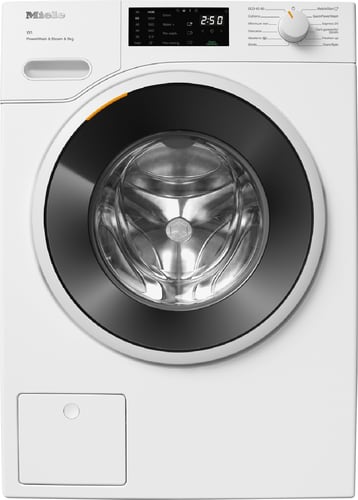
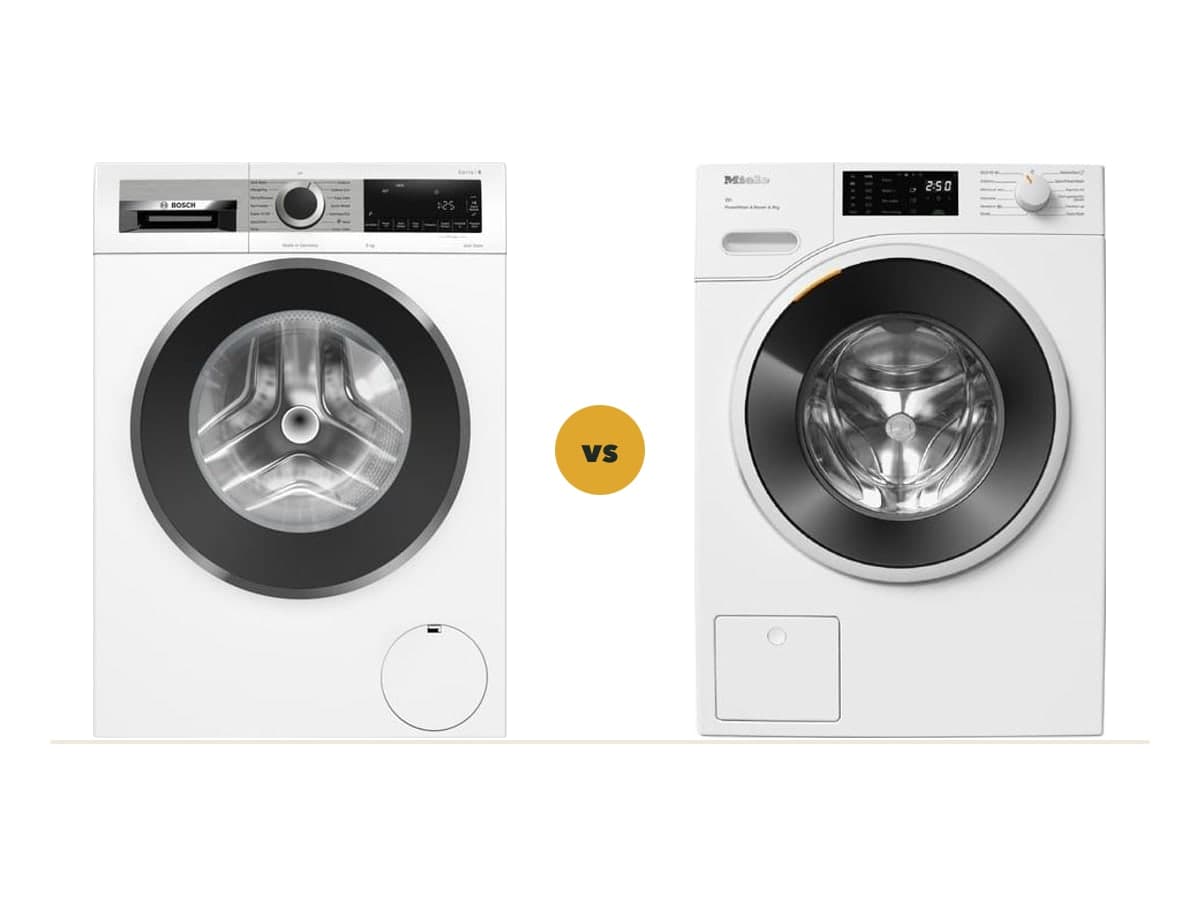
Nine kilos, 1400rpm, 4.5 water stars and 77 litres on its rated cycle, with steam, QuickPowerWash, twenty-four-hour delay start, an add-load function and Miele@home app control. Miele's honeycomb drum is designed to hold a film of water against the drum wall so fabric slides rather than rubs.
Sold through Miele rather than the chains, so the listed price is what you pay. The Good Guys lists it and hands the sale to Miele.
What We Like:
- 9kg drum with steam
- Honeycomb drum is gentle on fabric
- Add-load mid-cycle
What We Don't Like:
- 77 litres a wash, and no retail discounting
The two ranges at a glance
| Capacity | kWh/yr | Water | L/cycle | Height | Price | |
|---|---|---|---|---|---|---|
| Asko | ||||||
| Classic W1084W | 8kg | 244 | 5 stars | 56 | 850mm | $1,600–1,800 |
| Logic W3086CW | 8kg | 202 | 5 stars | 54 | 850mm | $1,800–2,000 |
| Miele | ||||||
| WEA125 WCS | 8kg | 255 | 4.5 stars | 67 | 850mm | $1,400–1,600 |
| WWD380 WCS | 9kg | 260 | 4.5 stars | 77 | 850mm | $2,200–2,400 |
Figures are from the energy and water rating labels, which are government schemes. Miele's machines are not sold by the electrical chains, so those links go to Miele's own store.
What actually differs
Water. Asko's 54 litres is a genuinely low figure and its five-star WELS rating is the higher of the two. Some of the gap is the different test program, but the star ratings are set on a common scale and Asko wins that comparison.
Spin. 1600rpm against 1400. Faster spin means less water left in the load, which shortens drying time. On a heat pump dryer that is real money over a year.
Capacity. Eight kilos against nine. A 9kg drum takes a king doona comfortably; 8kg is a queen.
Steam and gentleness. Only the Miele has steam. Its honeycomb drum is the feature Miele owners most often credit for clothes lasting longer, though that is owner report rather than a measured claim.
Depth. 572mm against 643mm. In a laundry cupboard that 71mm decides whether the door shuts.
Buying. Asko sits on the floor at The Good Guys with normal retail delivery and discounting. Miele is a direct purchase with Miele's own delivery and service.
FAQs
Which lasts longer?
Both brands build to a longer design life than mainstream machines and both are widely reported to run for well over a decade. Neither warrants beyond two years in Australia, so treat longevity claims as reputation rather than contract.
Is a 1600rpm spin hard on clothes?
Not in itself; the drum is balanced and the cycle ramps up. What it does is remove more water, so the load is lighter and dries faster. Delicate programs spin far slower on both machines.
Do either take a hot water connection?
No. Both are cold-fill and heat their own water, which is standard for premium front loaders sold in Australia and is why their energy figures include water heating.